Top Benefits of Using Foldable Shipping Containers for Efficient Transportation
In the logistics industry, efficiency and cost-effectiveness are paramount. Foldable shipping containers have emerged as a transformative solution. According to a report by MarketsandMarkets, the global shipping container market is expected to reach $9.1 billion by 2025, with foldable designs playing a significant role in that growth.
Foldable shipping containers offer distinct advantages. They optimize space during transportation and storage. A traditional container typically wastes space when empty. In contrast, foldable units can reduce shipping volume by up to 50%. This leads to cost savings and an environmentally friendly approach. The ability to stack these containers also enhances warehouse organization.
However, the shift to foldable shipping containers isn't without challenges. Some companies remain hesitant due to unfamiliarity. Transitioning from traditional to foldable designs requires investment. It is essential for businesses to weigh the immediate costs against long-term benefits. Clear guidance and adaptation strategies are necessary for a successful transition. Embracing foldable shipping containers could redefine efficiency in logistics.
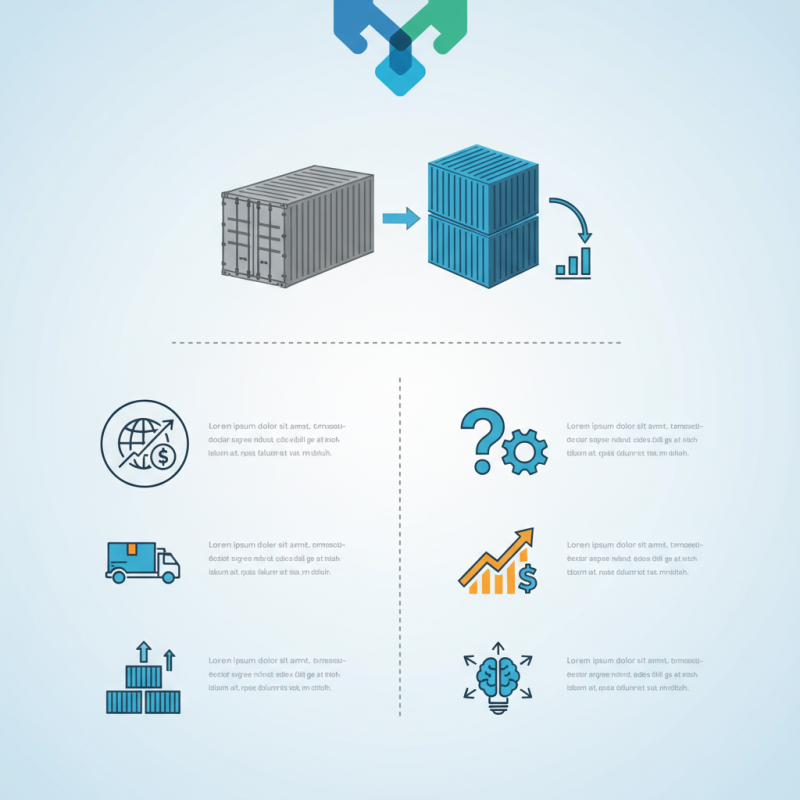
Benefits of Space Efficiency in Foldable Shipping Containers
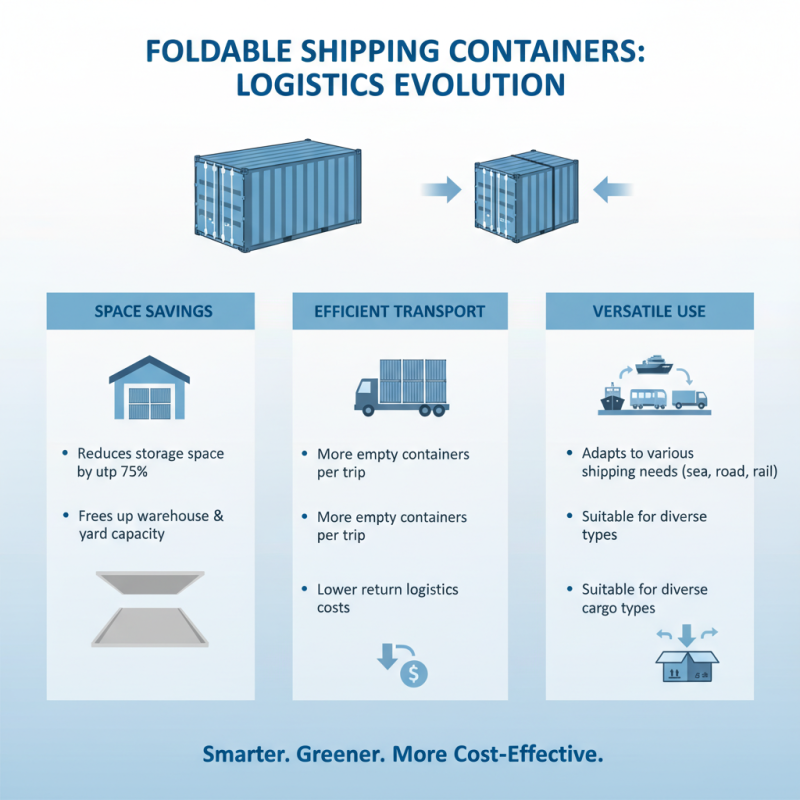
Foldable shipping containers are gaining popularity for their space efficiency. They can be collapsed when empty, saving valuable storage room. This feature is important for companies with limited warehouse space. By folding the containers, businesses reduce their carbon footprint and optimize transportation costs.
When loaded, these containers provide robust protection for goods. However, the space they occupy in transport can still be an issue. Proper planning is essential, as poorly packed containers can lead to wasted space. The advantages of foldable containers outweigh these challenges, but companies must remain vigilant.
The ability to stack and fold these containers makes them versatile. This adaptability works wonders in various industries. However, one should consider the potential wear and tear over time. Regular maintenance is crucial to ensure longevity. Ultimately, the right balance between space efficiency and container integrity is vital for successful operations.
Cost Savings Through Reduced Shipping Volumes
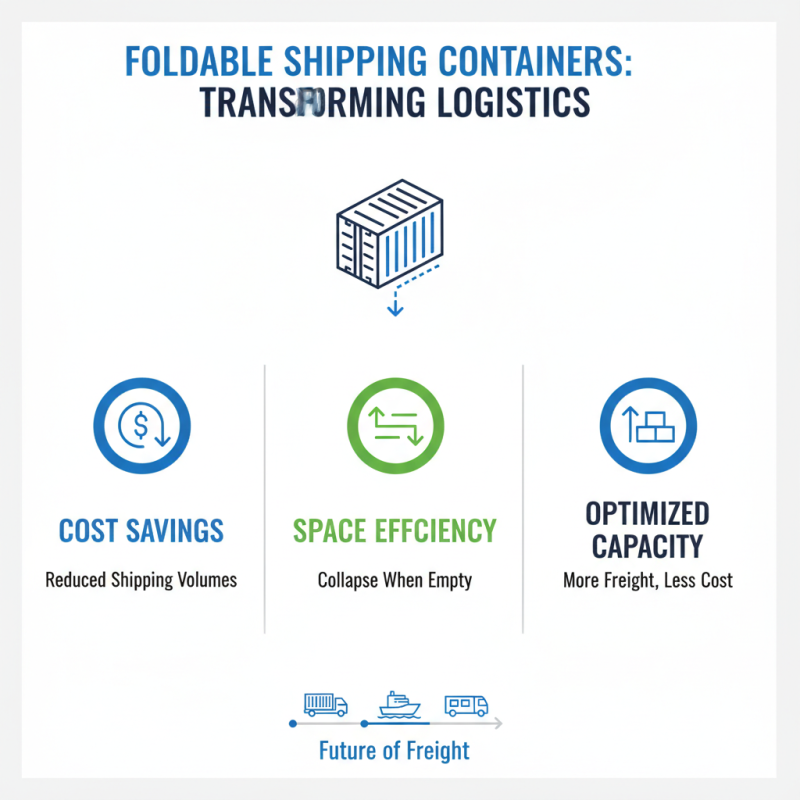
Foldable shipping containers are transforming transportation logistics. They offer significant cost savings through reduced shipping volumes. These containers can be collapsed when empty, saving valuable space. This allows for more efficient use of shipping capacity, minimizing freight costs.
Imagine a scenario where standard containers take up too much room. One ship can only carry so much. However, when using foldable containers, shippers can maximize space and reduce overall shipment size. This leads to fewer trips and lower fuel costs. Each empty container takes up less room, enabling better allocation of resources.
Challenges do exist. Some companies might find it hard to shift from traditional shipping methods. Training staff on new systems is necessary. It requires a mindset change. Despite these issues, the potential for savings and efficiency is clear. The benefits of foldable shipping containers greatly outweigh the initial hurdles.
Environmental Impact: Sustainability of Foldable Containers
Foldable shipping containers are transforming transportation. They provide a sustainable solution that minimizes environmental impact. Made from recyclable materials, their adaptability reduces waste. When not in use, they take up minimal space. This is crucial in urban environments where every square foot counts.
Using foldable containers lowers carbon footprints. By optimizing space during shipping, fewer trips are required. Over time, this means less fuel consumption and fewer emissions. However, the production process still poses challenges. Not all materials are eco-friendly, and improvements are needed here.
Companies need to consider the lifecycle of these containers. While they offer significant benefits, the entire production and disposal process must be examined. Recycling efforts can vary. Awareness is key to ensuring these innovations indeed support sustainability. Let’s keep pushing for better practices in the industry.
Enhanced Flexibility for Diverse Transportation Needs
Foldable shipping containers represent a significant advancement in logistics. Their design allows for easy storage and efficient transportation, catering to various shipping requirements. These containers can compress into smaller sizes when not in use. This feature enables companies to save valuable space in warehouses and shipping yards.
Flexibility is key in today’s transportation landscape. These containers adapt to many shipment types. You can use them for large items or smaller goods. Companies often face challenges with different cargo. Foldable containers help meet these diverse needs without compromising safety or integrity. However, the decision to transition to foldable containers isn't straightforward. Some may find the initial investment daunting, or they may worry about durability.
On the other hand, the potential benefits make them an attractive option. As more businesses explore this solution, it raises questions about long-term impacts. Will the adoption of foldable containers significantly alter shipping practices? As companies embrace new technologies, they must also evaluate their logistics strategies. This reflection is crucial for ensuring efficient transportation without overlooking operational challenges.
Improved Inventory Management with Foldable Containers
Foldable shipping containers revolutionize inventory management. These containers allow businesses to maximize storage space. When not in use, they can be collapsed. This feature saves valuable space in warehouses. Companies can better organize their inventory with these containers.
Effective inventory management reduces costs. With foldable containers, items are easily accessible. Workers can find products faster. This leads to improved efficiency. However, relying solely on them might cause issues if not managed well. Containers need regular checks to avoid wear and tear.
**Tip:** Use color coding for different products. This will help your team locate items quickly. Also, train staff on how to fold and set up containers properly.
It's essential to monitor container usage. Sometimes, companies overcrowd containers. This creates confusion and delays. Reflect on your processes regularly. Are they truly efficient? A critical eye can help improve operations. Adjust as needed to get the most out of your inventory.
Top Benefits of Using Foldable Shipping Containers for Efficient Transportation
| Benefit |
Description |
Impact on Inventory Management |
| Space Efficiency |
Foldable containers can be collapsed when empty, saving valuable storage space. |
Maximizes use of warehouse areas, leading to better inventory turnover. |
| Cost Savings |
Reduced transportation costs due to optimized shipping and storage. |
Enhances budget management through decreased logistics expenses. |
| Versatility |
Suitable for various types of shipments, including bulk and fragile items. |
Improves adaptability to diverse inventory needs and increase operational efficiency. |
| Durability |
Built to withstand harsh conditions, providing reliable protection for goods. |
Reduces loss and damage, ensuring better stock accuracy and availability. |
| Sustainability |
Promotes eco-friendly practices by minimizing waste and optimizing resources. |
Enhances brand reputation and aligns with modern sustainability goals in inventory management. |