Top 5 Benefits of Using Foldable Shipping Containers?
In the logistics industry, the demand for efficient shipping solutions is ever-growing. A foldable shipping container stands out as a revolutionary option. According to a recent report by the Global Logistics Association, the market for foldable containers is expected to grow by 15% annually. Their design allows for significant space-saving during return shipping. This ensures reduced transportation costs and lower emissions—a critical factor in today's eco-conscious market.
The versatility of foldable shipping containers also enhances operational efficiency. With various sizes and configurations, they can be tailored to specific cargo needs. Many companies have reported improvement in loading times and increased warehouse space. However, some still undervalue foldable containers, often sticking to traditional options. This reluctance can lead to missed opportunities for cost savings and streamlined operations.
Moreover, while foldable shipping containers provide clear benefits, transitioning to this model may require an initial investment in training and infrastructure. Organizations must weigh these factors carefully. A strategic approach to adopting foldable containers can ultimately lead to enhanced supply chain resilience and environmental sustainability. Investing in folding technology could be the key to staying competitive in a rapidly evolving marketplace.
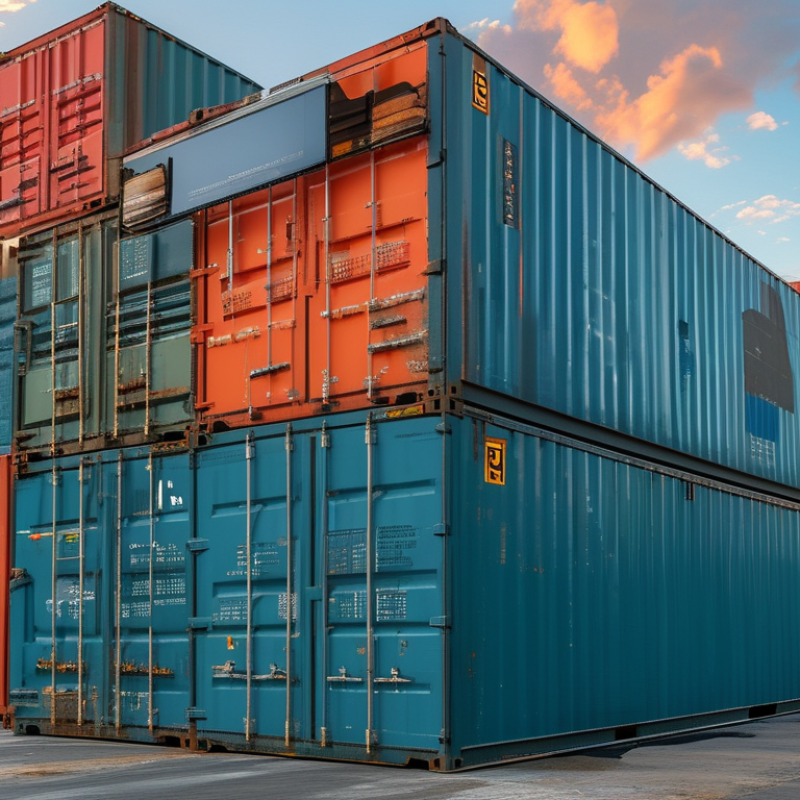
Benefits of Enhanced Portability in Foldable Shipping Containers
Foldable shipping containers are revolutionizing logistics with their enhanced portability. These containers can be collapsed when empty, saving space and reducing transportation costs. According to a study by the International Journal of Logistics Management, using foldable containers can decrease shipping costs by up to 30%. This efficiency is crucial as global trade continues to grow and logistics challenges mount.
The adaptability of foldable containers allows businesses to respond quickly to changes in demand. They can easily be transported via trucks or ships, leading to a smoother supply chain process. A report from the Council of Supply Chain Management Professionals highlighted that efficient transportation can improve delivery times by as much as 15%. This increased speed is vital for maintaining competitive advantage in the fast-paced market.
However, foldable containers come with challenges. While they offer great benefits, stacking and securing them can require extra training for staff. Additionally, durability in harsh conditions can be a concern. Companies must consider these factors when integrating foldable containers into their operations. Addressing these issues will lead to even greater efficiencies in shipping and logistics.
Cost Efficiency Through Reduced Transportation Fees
Foldable shipping containers are revolutionizing logistics. They significantly reduce costs associated with transportation. This is particularly evident in their design. When not in use, these containers fold flat. This reduces the space required during return trips. As a result, fewer trucks are needed for transport. This can lead to substantial savings.
The efficiency of foldable containers goes beyond just space. They can be easily stacked, maximizing storage capacity. This means more goods can be shipped at once. Businesses can take advantage of bulk shipping rates. The combination of reduced transport fees and increased capacity can lead to better profit margins.
However, not all companies may find foldable containers ideal. Initial costs might be higher compared to traditional containers. Some shippers may struggle with the adaptation process. Changing processes takes time, and training staff is essential. Evaluating if foldable containers fit a company's needs is crucial. Each business must reflect on its unique operations before making the switch.
Minimized Storage Space Requirements for Businesses
Foldable shipping containers offer significant advantages for businesses, especially in minimizing storage space requirements. According to a report from the Containerisation International, traditional shipping containers occupy substantial space even when empty. The ability to fold these containers reduces the footprint needed for storage by up to 60%. This efficiency allows companies to maximize their available real estate and cut costs.
For businesses dealing with fluctuating inventory, foldable containers provide a solution. They can expand when needed for shipping and collapse when not in use. This flexibility is essential for businesses facing seasonal demand. A study from Logistics Management indicates that companies save an average of 20% in storage costs by switching to foldable options.
**Tip:** Evaluate your current storage solutions. Consider whether using foldable containers can reduce overhead expenses. Make space efficiency a priority, especially if you're experiencing rapid growth.
Despite their benefits, some challenges persist. Transitioning to foldable containers might require initial investment and training. Employees need to learn the folding mechanisms properly. If not, you may face safety risks or operational delays. Adjusting your logistics process is vital. Regularly reassess your setup for areas of improvement to ensure you gain the most from your investment.
Top 5 Benefits of Using Foldable Shipping Containers
| Benefit |
Description |
Impact on Business |
Cost Savings |
| Minimized Storage Space |
Foldable containers can be collapsed when empty, requiring significantly less storage space. |
Allows businesses to optimize warehouse layouts and reduce rental costs. |
Up to 30% savings on space rental costs. |
| Increased Versatility |
Easily adaptable for different types of goods, including fragile or oversized items. |
Enhances logistics flexibility and reduces the need for multiple container types. |
Potentially reduces handling and operational costs by 20%. |
| Improved Security |
Designed with secure closures to protect contents from theft and damage. |
Boosts customer confidence and reduces product loss incidences. |
Can save businesses thousands annually on insurance claims. |
| Eco-Friendly Option |
Made from recyclable materials, minimizing environmental impact. |
Supports sustainability initiatives and enhances brand image. |
May lower taxes or fees associated with waste management. |
| Cost Efficiency |
Lower manufacturing and maintenance costs over traditional containers. |
Allows businesses to allocate resources to other areas. |
Can reduce overall shipping costs by about 15%. |
Improved Sustainability with Eco-Friendly Materials
Foldable shipping containers are transforming logistics with their lightweight design and sustainable materials. Many containers are made from eco-friendly resources. These materials minimize environmental impact. Using such containers can significantly reduce carbon footprints during transportation. They are also recyclable, adding another layer of sustainability.
However, the transition to foldable containers comes with challenges. Not all manufacturers are equipped to produce these eco-friendly options. Some may still depend on traditional methods, which can hinder overall sustainability efforts. Companies must evaluate their supply chains to ensure they are not compromising their green initiatives.
Furthermore, while foldable containers save space when not in use, the initial investment might be higher. This upfront cost can deter some businesses. Nonetheless, the long-term benefits, including reduced waste and lower shipping costs, often outweigh these concerns. Embracing foldable shipping containers is not just a trend; it’s a step toward responsible logistics.
Top 5 Benefits of Using Foldable Shipping Containers
This chart displays the top five benefits of using foldable shipping containers based on their sustainability and eco-friendliness.
Versatile Applications Across Various Industries
Foldable shipping containers are revolutionizing logistics across many industries. Their versatility allows for unique applications. In the construction sector, these containers can serve as portable storage or temporary offices. According to a recent report, the global construction industry could save 25% on storage costs by using foldable options.
Transport and shipping also benefit significantly from foldable containers. They reduce space during return trips. A logistics study indicated that businesses could increase transport efficiency by 30% with collapsible containers. This efficiency can directly lead to lower overall costs. It's essential, however, to consider the durability of these containers. Combined material quality and construction affect long-term reliability.
Agriculture and food distribution sectors are reaping benefits too. Foldable shipping containers can maintain optimal conditions during transport. Research shows that proper temperature control can reduce spoilage rates by up to 15%. However, insufficient monitoring can lead to waste. Users must address these potential issues carefully. The overall impact on efficiency and waste reduction is substantial.