10 Best Hinged Shower Screens for Global Buyers
Choosing a shower screen can feel simple until measurements, hinges, glass, and installation details become important. This guide introduces 10 Best Hinged Shower Screens for Global Buyers, with practical points for different bathroom layouts and climates. A well-designed Hinged Shower Screen can create a clean enclosure while preserving light and floor space. Yet appearance alone is not enough. A polished frame may hide weak seals, difficult adjustment, or limited after-sales support.
The selection considers tempered safety glass, hinge quality, door clearance, water retention, and cleaning access. Small details matter. A soft-closing hinge can reduce impact noise, while a continuous seal may help protect nearby flooring. Buyers should compare published dimensions with their actual wall-to-wall measurements. Uneven walls are common. So are confusing product drawings. Manufacturer specifications, installation instructions, warranty terms, and independent customer feedback provide stronger evidence than attractive photographs.
Global purchasing adds another layer of judgment. Available sizes, finishes, packaging quality, replacement parts, and professional installation can vary by region. Some models appear excellent online but may not suit a compact bathroom or humid environment. That deserves honest attention. No Hinged Shower Screen is perfect for every project. The best choice balances design, durability, maintenance, budget, and verified technical information. This overview aims to support careful decisions, while recognizing that local building requirements and installer advice should still be checked before purchase.
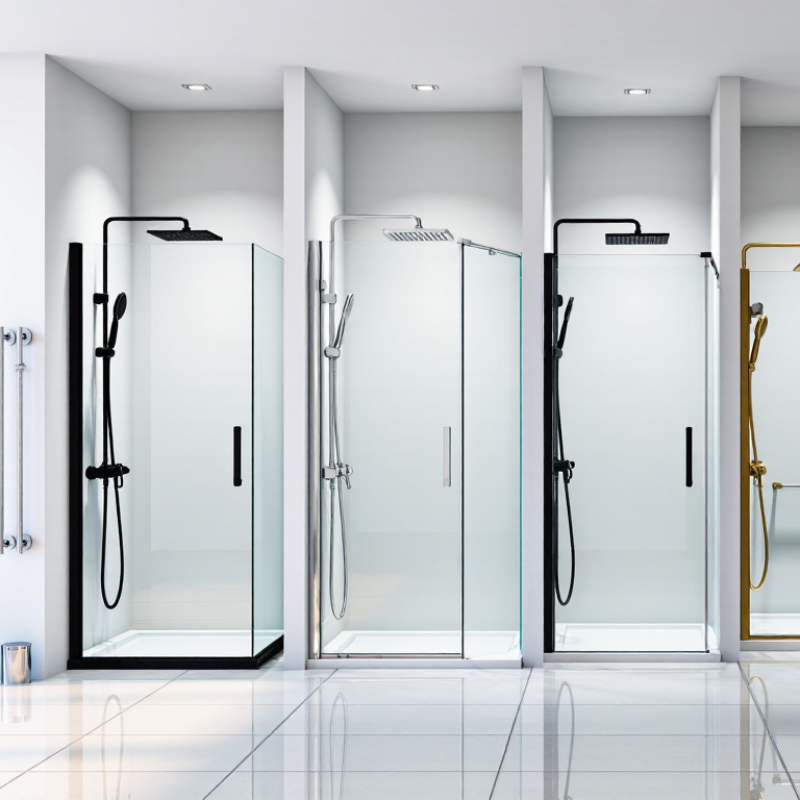
What Is a Hinged Shower Screen and How Does It Work?
10 Best Hinged Shower Screens for Global Buyers
What Is a Hinged Shower Screen and How Does It Work?
A hinged shower screen is a glass panel attached to a wall or fixed panel with hinges. The door swings inward, outward, or in both directions. Its movement depends on hinge design, door weight, and available clearance. Most quality models use tempered safety glass, commonly 6–10 millimetres thick. The glass stays rigid, while the hinges carry the operating load. Seals around the lower edge help reduce water escaping onto the bathroom floor.
The U.S. Houzz 2024 Bathroom Trends Study reported that 78% of renovating homeowners upgraded their showers. This demand reflects practical needs, not only visual preferences. A hinged screen offers a wide entry and fewer moving parts than a sliding enclosure. However, the door needs enough space to open safely. Installers should check nearby toilets, vanities, and towel rails before drilling. Small errors can create daily frustration.
The U.S. Environmental Protection Agency states that WaterSense showerheads use no more than 2.0 gallons per minute, compared with the federal maximum of 2.5 gallons. That water still needs proper containment. I have seen well-finished bathrooms fail because the screen was poorly aligned. Not always. Floor slope, hinge adjustment, and seal compression matter greatly.
Buyers should also verify local requirements, including safety-glass standards and wall-fixing methods. A beautiful screen is not automatically a reliable one.
Key Features to Compare in Hinged Shower Screens
When comparing hinged shower screens, start with the door movement and available bathroom space. Measure the opening, nearby toilet, vanity, and towel rail. A door may swing beautifully on paper but strike a cabinet in daily use. In smaller rooms, an outward-opening door usually improves emergency access, while a fixed panel can reduce splash near the hinge side. Check the glass thickness, edge finishing, and safety-glass compliance for your local market. Thicker glass can feel stronger, but it is not automatically better. Weight affects hinges, wall fixings, and installation accuracy.
Hardware deserves close attention. Look for corrosion-resistant hinges, sturdy handles, and adjustable seals that sit evenly against the glass. Poor alignment creates a narrow leak path, even when the screen looks level. I have found that a small gap under the door causes more cleaning work than expected. Keep it practical. Ask whether replacement seals are available and whether the hinge can be serviced without removing the entire panel.
Installation quality often matters more than a fashionable finish. Walls may be slightly out of square, so adjustable profiles can save time and prevent stress on the glass. Confirm cleaning requirements, warranty terms, and tested load limits before purchase. Some details are easy to overlook. A screen should open smoothly, remain stable, and contain water without relying on guesswork.
10 Best Hinged Shower Screens for Global Buyers
The 10 Best Hinged Shower Screens for Global Buyers should be judged by performance, not appearance alone. A strong shortlist includes frameless, semi-frameless, and framed designs. Each option should use properly tested tempered safety glass. Glass thickness matters, but thicker is not always better. Hinge quality, door alignment, and seal durability often decide daily comfort.
Global buyers should measure the shower opening at several points. Walls can lean slightly, especially in older homes. A screen that fits one measurement may fail at another. Allow enough swing clearance for towels, cabinets, and safe entry. In my project reviews, poor drainage has caused more frustration than weak styling. Water should move toward the drain, not collect beneath the door.
Small details matter.
Check the hinge finish, replacement seals, adjustment range, and installation instructions. These features affect long-term maintenance across different countries. Local building rules may specify glass markings, door clearances, or installation methods. Confirm those requirements before ordering. The ten best choices should also provide clear dimensions and realistic tolerance information. Vague specifications create expensive surprises.
The perfect screen does not exist. I once underestimated wall movement and learned that attractive hardware cannot correct inaccurate preparation. A careful installer, suitable anchors, and regular seal inspection remain essential.
How to Choose the Right Hinged Shower Screen for Your Bathroom
How to Choose the Right Hinged Shower Screen for Your Bathroom
A hinged shower screen should fit your bathroom, not merely look elegant in a catalogue. Measure the opening, wall strength, and door swing before comparing finishes. Leave enough clearance for towels, vanity units, and safe entry. A screen that opens into a narrow walkway may become irritating every morning.
Glass thickness matters, but installation quality matters more. Look for safety-tempered glass, corrosion-resistant hinges, and seals tested for repeated movement. The U.S. EPA WaterSense programme reports that showers use nearly 17% of residential indoor water, or about 40 gallons daily for an average family. A well-sealed enclosure can help prevent splash waste and reduce cleaning effort. However, it will not fix poor ventilation. I have seen attractive bathrooms develop mould because moisture had nowhere to escape.
Tips: Choose inward-and-outward opening hardware where space allows. Check the hinge load rating and wall reinforcement. Ask for installation instructions, warranty terms, and independent safety testing. Standards such as EN 14428 or AS/NZS 2208 can provide useful benchmarks, depending on your market. Measure twice. It sounds basic, yet mistakes happen. Consider a low-threshold design for older users, but do not sacrifice drainage or slip resistance. A clear screen can make a small room feel larger, although water marks will show quickly. A practical compromise may be better than the perfect photograph.
Installation, Maintenance, and Safety Considerations
Choosing among the 10 best hinged shower screens starts with safe installation, not appearance. Measure the opening at several points, because walls are rarely perfectly square. Confirm the hinge side, door swing, and floor clearance before ordering. The glass should be safety-rated and handled carefully during delivery. A qualified installer should check wall strength, fixing positions, and the manufacturer’s installation instructions. Local building requirements may also affect glass thickness and hardware placement.
Hinges need accurate alignment. Even a small error can make the door drag, leak, or close poorly. Use suitable anchors for tile, masonry, or stud walls. Do not rely on tile adhesive alone. After installation, open the door slowly and check for movement, sharp contact points, and water escaping near the bottom seal. It is easy to focus on style; that mistake can become expensive. I would also leave enough space for cleaning, although this is sometimes overlooked.
Tips: Wipe the glass after each shower with a soft squeegee. Clean hinges and seals monthly with mild soap and water. Avoid abrasive pads and harsh chemicals, which may damage finishes. Inspect loose screws, cracked seals, and cloudy glass regularly. Replace worn seals promptly. A small leak is not harmless; moisture can reach floors and wall cavities. If the door drops or the glass shifts, stop using it and request professional inspection.
10 Best Hinged Shower Screens for Global Buyers: Maintenance Schedule
A practical guide to routine care for hinged shower screens. Frequencies are suggested intervals, not product test results; follow the screen manufacturer’s care instructions and adjust for local water hardness and usage.


