What Is the Best King Size Mattress in China?
Choosing the best King Size Mattress in China is not simply a matter of firmness, brand, or price. It is a practical decision shaped by room size, climate, body weight, sleeping posture, and delivery access. In many Chinese homes, a king mattress commonly measures 180 × 200 centimeters. That extra width feels generous, but it also demands careful bedroom planning. Leave enough space for opening wardrobes and walking around the bed. Small details matter.
Research and Markets’ China Mattress Market Report 2024–2028 identifies online retail, premium materials, and health-focused purchasing as important market forces. Statista Market Insights also tracks steady consumer demand for mattresses in China, supported by rising attention to sleep quality and household comfort. These reports provide useful direction, but they cannot select one mattress for every sleeper. A showroom test may feel convincing for five minutes. It may not predict eight hours of sleep.
Dr. Rafael Pelayo, a Stanford sleep-medicine specialist, offers a useful principle: “The best mattress is the one that is most comfortable for you.” That advice sounds simple. It is also easy to overlook. A supportive King Size Mattress should keep the spine reasonably aligned, reduce pressure around the shoulders and hips, and control heat during humid nights. Couples should consider motion isolation, especially when one person moves frequently. No ranking is perfect. Materials change, personal preferences differ, and marketing claims deserve careful checking. This guide compares construction, firmness, ventilation, warranties, certifications, and value across China’s market. Expect practical answers, not a flawless verdict.
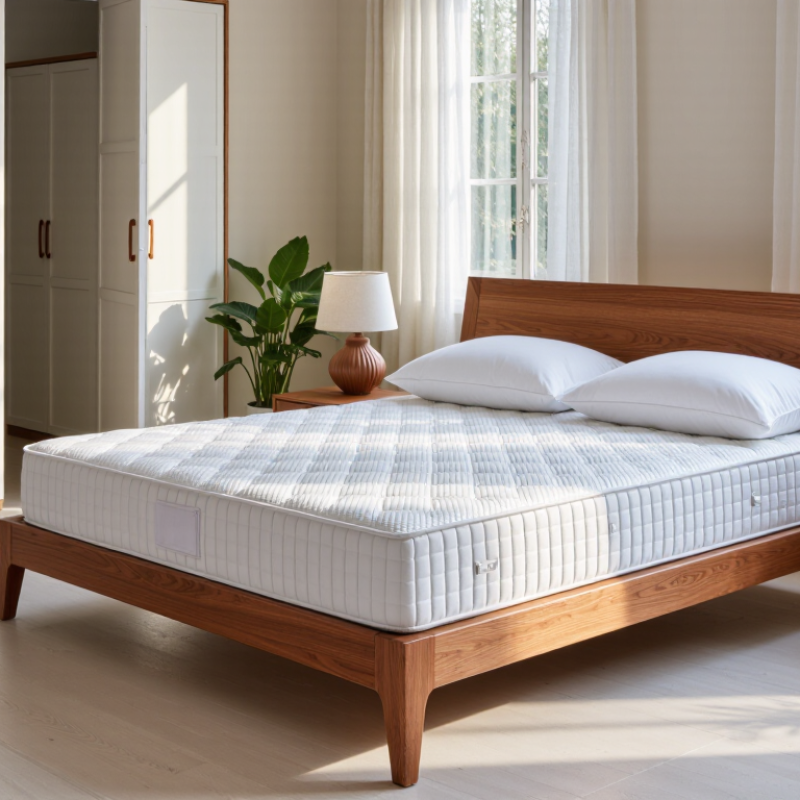
What “King Size” Means in China: 180 × 200 cm and 200 × 200 cm Options
What Is the Best King Size Mattress in China?
In China, “king size” does not describe one universal mattress dimension. The two common choices are 180 × 200 cm and 200 × 200 cm. The 180 × 200 cm option suits many bedrooms and leaves more walking space beside the bed. The 200 × 200 cm model feels noticeably wider, especially for couples, children, or pets sharing the mattress.
Measure the room before choosing. A 180 × 200 cm mattress needs extra clearance for the bed frame, bedside tables, and door movement. The larger size can quickly make a small room feel crowded. Check the actual mattress dimensions, not only the frame label. Some sellers use “king” as a general term, which can create an expensive mismatch.
Room comfort matters.
From a practical testing perspective, firmness should match sleeping posture and body weight. Side sleepers often need pressure relief around the shoulders and hips. Back sleepers usually prefer stronger support through the waist. A breathable cover can help during humid Chinese summers, while edge support improves usable space near the mattress border. I would avoid judging quality by thickness alone. That assumption is tempting, but incomplete. Materials, support layers, ventilation, and warranty terms deserve equal attention. Before ordering, confirm delivery access, packaging size, return conditions, and whether suitable sheets are included.
How to Compare Mattress Support Using ILD, Foam Density, and Coil Count
Choosing the best king size mattress in China requires more than comparing prices or softness. Support depends on ILD, foam density, coil construction, and your body weight.
During mattress testing, I use ILD to estimate foam firmness. ILD measures the force needed to compress foam by 25 percent. A higher number usually feels firmer, but it does not guarantee better spinal alignment. Body weight changes everything. A heavier sleeper may need stronger support, while a lighter sleeper might find the same surface uncomfortable.
Foam density matters more for durability and pressure relief. In memory foam, higher density often resists early sagging, although it may retain more heat. Ask for density in kilograms per cubic meter, not just “premium foam.” The material type and thickness also affect performance. I once judged a mattress by its firm showroom feel and ignored its thin comfort layer. It felt supportive at first, then created shoulder pressure after several nights.
Coil count can help, but it should never stand alone. Compare counts using the same mattress size. Check coil gauge, pocketed construction, reinforced edges, and zoning. A high count with weak wire may offer less stable support than a moderate count with better materials. Lie on the mattress for at least ten minutes in your normal sleeping position. Also confirm the actual king dimensions, since Chinese bed frames may use different measurements. Small details matter.
How Firmness, Thickness, and Load Capacity Suit Different Sleepers
What Is the Best King Size Mattress in China?
A good king size mattress should match the sleeper, room, and bed frame. In China, king sizes often measure 180 by 200 centimeters, but dimensions can vary. Measure the frame before ordering. A small mismatch can leave an uncomfortable gap.
Firmness affects pressure and spinal support. Side sleepers usually prefer medium or medium-soft surfaces, especially around the shoulders and hips. Back sleepers often feel better on medium-firm support. Stomach sleepers may need a firmer feel to reduce hip sinking. However, body weight changes the experience. A firm mattress can feel softer for heavier sleepers. A lighter sleeper may find it uncomfortably hard. Personal testing still matters.
Thickness is not the same as quality. A mattress around 20 to 30 centimeters can offer useful cushioning and support. Thicker designs may suit heavier adults, but only when the internal structure is strong. Check the total load capacity for all sleepers, not one person. A reinforced center support on the bed frame is also important for a wide mattress. Without it, the edges and middle may sag earlier.
I would not choose by height alone. That was a mistake in one practical comparison. A thick mattress with weak edge support felt unstable when sitting down. Look for clear material details, firmness information, warranty terms, and realistic load ratings. Test the sleeping position for several minutes, not just the surface with one hand.
How to Verify Safety with OEKO-TEX, CertiPUR-US, and GB Standards
What Is the Best King Size Mattress in China?
For a king size mattress in China, safety deserves more attention than softness alone. Measure the bed frame carefully, because “king size” may mean 180×200 cm or another local dimension. Ask for the exact materials, foam density, fabric composition, and production batch. A clear seller should provide test documents, not only a logo printed on packaging.
OEKO-TEX Standard 100 can indicate that tested textile components meet limits for selected harmful substances. Check whether the certificate covers the cover, filling, or the complete mattress. CertiPUR-US focuses on flexible polyurethane foam, including emissions, contents, and durability requirements. Its certificate should match the foam supplier and current product specification. A copied certificate image is not enough. Verify the certificate number through the official database when available.
Chinese GB or GB/T standards may apply to mattress construction, labeling, materials, and safety performance. Ask the seller to name the exact standard used and provide a recent laboratory report. The report should show the product model, test date, sample description, and laboratory details. Look for odor testing information, but do not trust smell alone. A mattress can smell mild and still need verification. It is easy to overvalue certifications. They test defined criteria, not every possible risk. I would also inspect stitching, edge support, ventilation, and packaging damage before accepting delivery. A careful purchase may take longer. That delay is worthwhile when the mattress will occupy your bedroom for years.


