10 Best Shipping Container Buildings You Need to See in 2023
Shipping container buildings have emerged as a revolutionary solution in the realm of sustainable architecture, captivating architects, designers, and homebuyers alike. In 2023, the versatility and appeal of these structures are more pronounced than ever, offering innovative designs that challenge traditional notions of housing and commercial space. Leading expert in eco-friendly architecture, Dr. Amanda Reed, asserts, “Shipping container buildings not only promote sustainability but also provide unique opportunities for creative design and functionality.” This perspective underscores the growing importance of shipping container buildings in contemporary building practices.
As cities grapple with space shortages and escalating real estate prices, shipping container buildings present an affordable and customizable alternative. Their inherent durability, combined with the ability to repurpose existing materials, makes them an attractive option for both urban and rural settings. From cozy homes to dynamic offices, the adaptability of shipping containers has opened new avenues for architectural expression, driving a significant trend in how we conceptualize living and working spaces.
With this in mind, exploring the 10 best shipping container buildings you need to see in 2023 not only showcases cutting-edge designs but also highlights the potential of these structures to redefine our understanding of modern architecture. Whether you are an architecture enthusiast or a prospective builder, these examples of shipping container buildings are sure to inspire and ignite your imagination.
The Rise of Shipping Container Buildings: A 2023 Overview
The trend of shipping container buildings has seen remarkable growth in 2023, as more architects and builders embrace the versatility and sustainability these structures offer. Constructed from repurposed steel containers, these buildings serve a dual purpose: they address the urgent need for affordable housing while promoting environmental responsibility. The adaptability of shipping containers makes them suitable for a variety of uses, from residential homes and commercial spaces to pop-up shops and schools. Their modular design allows for easy assembly and transport, enabling creative solutions to address spatial and urban challenges.
In recent years, the rise of shipping container architecture has been fueled by innovative designs and a shift in consumer preferences towards sustainable living. More communities are incorporating these structures into urban planning, recognizing their potential to enhance city landscapes while minimizing ecological footprints. As cities grapple with housing shortages and environmental issues, shipping container buildings offer a practical and aesthetically pleasing alternative. This trend is expected to continue shaping the architecture scene, inspiring more people to consider container living as a feasible and attractive option moving forward.
10 Best Shipping Container Buildings You Need to See in 2023
| Building Type |
Location |
Size (sq ft) |
Purpose |
Year Completed |
| Residential Home |
Austin, TX |
1,200 |
Living Space |
2021 |
| Office Space |
New York, NY |
2,500 |
Workplace |
2020 |
| Coffee Shop |
Los Angeles, CA |
600 |
Commercial |
2019 |
| Art Studio |
Portland, OR |
850 |
Creative Space |
2022 |
| Pop-Up Retail |
Seattle, WA |
400 |
Retail Space |
2023 |
| Event Venue |
Miami, FL |
3,000 |
Event Hosting |
2024 |
| Sustainable Living Complex |
San Francisco, CA |
5,000 |
Housing |
2023 |
| Tiny Homes Village |
Denver, CO |
1,050 |
Community Living |
2022 |
| Mobile Classroom |
Chicago, IL |
720 |
Educational |
2023 |
| Fitness Center |
Boston, MA |
2,000 |
Recreation |
2021 |
| Eco-Friendly Retreat |
Sedona, AZ |
1,500 |
Vacation Rental |
2023 |
Innovative Designs: Top Features of Modern Container Architecture
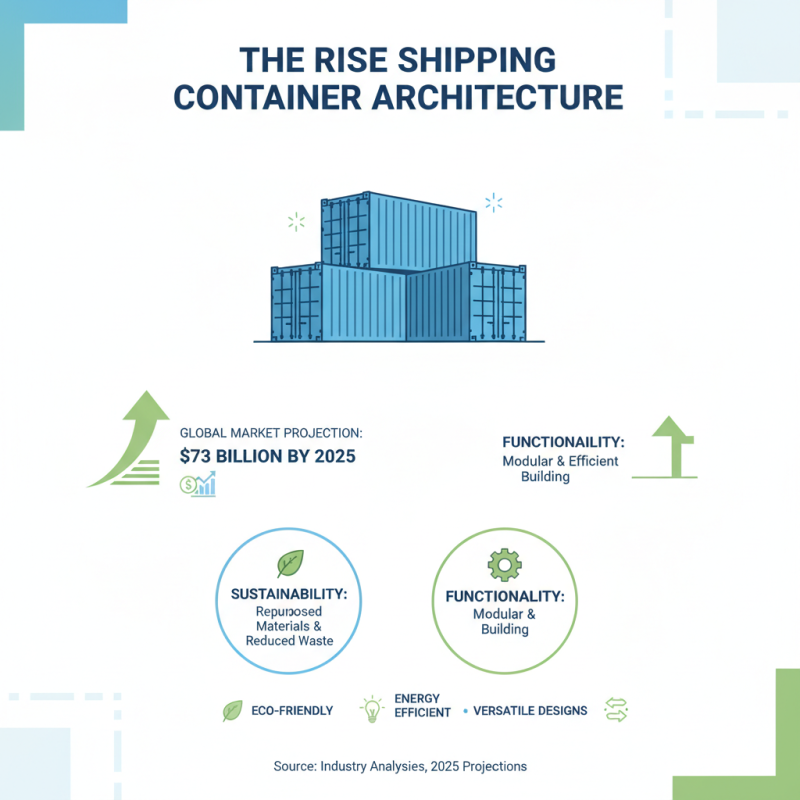
The rise of shipping container architecture has revolutionized the construction industry, driven by innovative designs that prioritize both sustainability and functionality. In recent years, the global market for shipping container homes has seen exponential growth, with a projected value reaching $73 billion by 2025, according to industry analyses. This shift can largely be attributed to the eco-friendly aspects of using repurposed materials and the efficiency of modular building practices. Crucial features of modern container architecture include energy efficiency, versatility, and the ability to minimize construction waste.
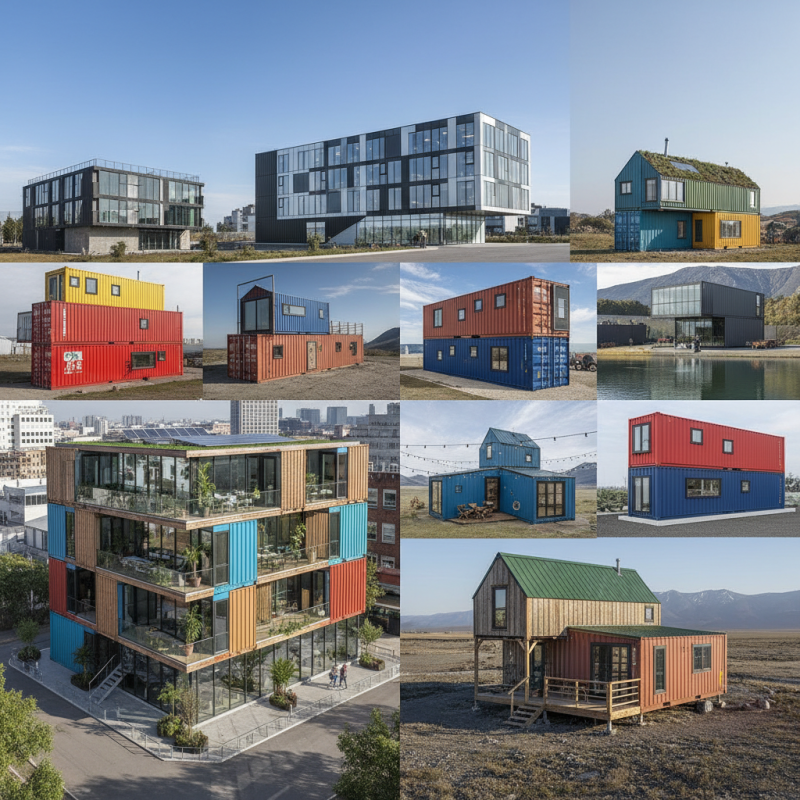
Modern container buildings often integrate advanced technologies to enhance their livability and performance. For example, many designs incorporate solar panels, green roofs, and high-quality insulation materials to create energy-efficient spaces that significantly reduce operational costs. Reports indicate that container homes can use up to 50% less energy compared to traditional buildings, showcasing their potential for reducing carbon footprints. Moreover, the layout flexibility allows architects to design multi-story units or single-family homes, making them suitable for various residential and commercial applications. The aesthetic appeal of these structures — often complemented by vibrant colors and unique configurations — continues to attract urban dwellers and creative professionals, indicating a trend that is here to stay.
Sustainability in Shipping Container Structures: Environmental Impact Data
The rise of shipping container buildings in recent years reflects a growing awareness of sustainability and environmental impact. Shipping containers, once utilized solely for transportation, have transcended their original purpose to become innovative architectural solutions. Their reuse significantly reduces the demand for new materials, thus minimizing the carbon footprint associated with traditional construction methods. By repurposing containers, builders can divert waste from landfills and lessen the ecological toll of new manufacturing processes.
Moreover, shipping container structures often incorporate eco-friendly technologies that enhance their sustainability credentials. Many designs prioritize energy efficiency by utilizing insulation, solar panels, and rainwater harvesting systems. These features not only lower energy consumption but also promote self-sufficiency. As a result, shipping container buildings present an attractive option for environmentally conscious individuals and communities looking to reduce their impact on the planet while enjoying durable and unique living spaces.
Environmental Impact of Shipping Container Buildings in 2023
Cost Analysis: Comparing Container Buildings to Traditional Construction Methods
When comparing shipping container buildings to traditional construction methods, it's essential to consider the overall cost implications. Shipping container structures often present a more affordable alternative due to shorter build times and lower material costs. The anticipated expenses in labor and permits may also be less when dealing with well-designed container buildings. For instance, the cost per square foot can be significantly lower, allowing for more expansive designs for the same budget. Furthermore, the ability to recycle and repurpose old containers minimizes waste, which also contributes to cost savings.
Tip: When planning your container building, assess local regulations early on. Laws concerning zoning, permits, and building codes can vary greatly, influencing your budget and timeline. Finding a knowledgeable contractor familiar with container construction can aid in navigating these challenges efficiently.
Additionally, maintenance costs for container buildings may be lower than traditional structures, particularly in areas prone to extreme weather. Shipping containers are exceptionally durable and resistant to common issues such as rot and pests. However, investing in proper insulation and weatherproofing can enhance comfort and efficiency.
Tip: Always factor in long-term costs during your planning phase. While initial expenses may be lower, understanding energy efficiency and potential repair needs will provide a clearer picture of overall investment.
Case Studies: Notable Shipping Container Projects Around the Globe
Shipping container buildings are gaining popularity as innovative and sustainable architectural solutions across the globe. From cozy homes to bustling offices, shipping containers are being reimagined in fascinating ways. One notable project is a community center in the heart of an urban environment, where multiple containers were skillfully stacked and interconnected to create dynamic spaces for social interaction and local events. This initiative not only highlights the versatility of shipping containers but also emphasizes the importance of community engagement in urban redevelopment.
Another striking example is the use of shipping containers for affordable housing in various regions facing housing crises. These projects demonstrate how shipping containers can serve as an efficient and eco-friendly alternative to traditional building materials. By reusing containers, developers can significantly reduce construction costs and time, making a positive impact in areas where affordable housing is urgently needed.
Tips: When considering a shipping container project, it's essential to keep in mind local zoning laws and building codes to ensure compliance. Additionally, proper insulation is key to making these structures livable, as metal containers can become quite hot or cold depending on the weather. Lastly, involving local designers can enhance the project’s aesthetic appeal while ensuring that the building meets the community's needs.