What is the Best Way to Purchase a Shipping Container for Your Needs
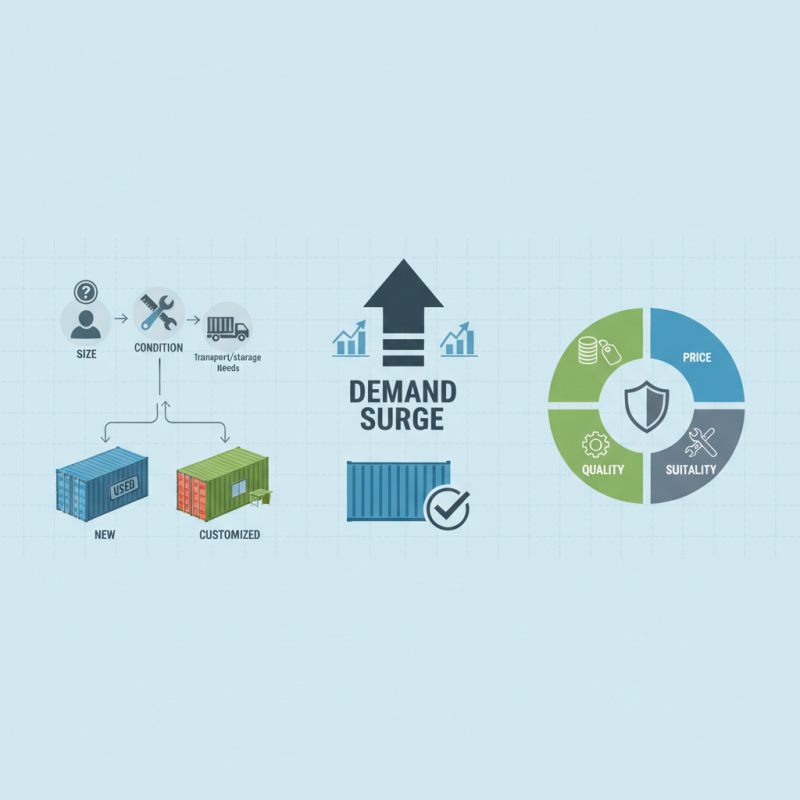
When it comes to the logistics of acquiring a shipping container, the choices can be overwhelming. As logistics expert James Thornton advises, "To effectively purchase a shipping container, one must consider not only the size and condition of the container but also their specific storage and transport needs." In a world where shipping containers serve multiple purposes—from storage solutions to mobile offices—understanding the nuances of this market is crucial for making an informed decision.
In recent years, the demand for shipping containers has surged, prompting buyers to explore various purchasing options, including new, used, and customized containers. Each option presents its own set of benefits and drawbacks, making it essential for potential buyers to evaluate their requirements meticulously. Given the myriad of factors involved in the process, including container size, structural integrity, and delivery logistics, being equipped with the right knowledge can help individuals or businesses streamline their purchasing journey.
Ultimately, the process to purchase a shipping container is not merely about finding the lowest price; it encompasses a thorough assessment of quality, durability, and suitability for intended use. This introduction serves as a guide to aid you in navigating this complex landscape, ensuring that your choice aligns perfectly with your needs and expectations.
Understanding Your Shipping Container Needs
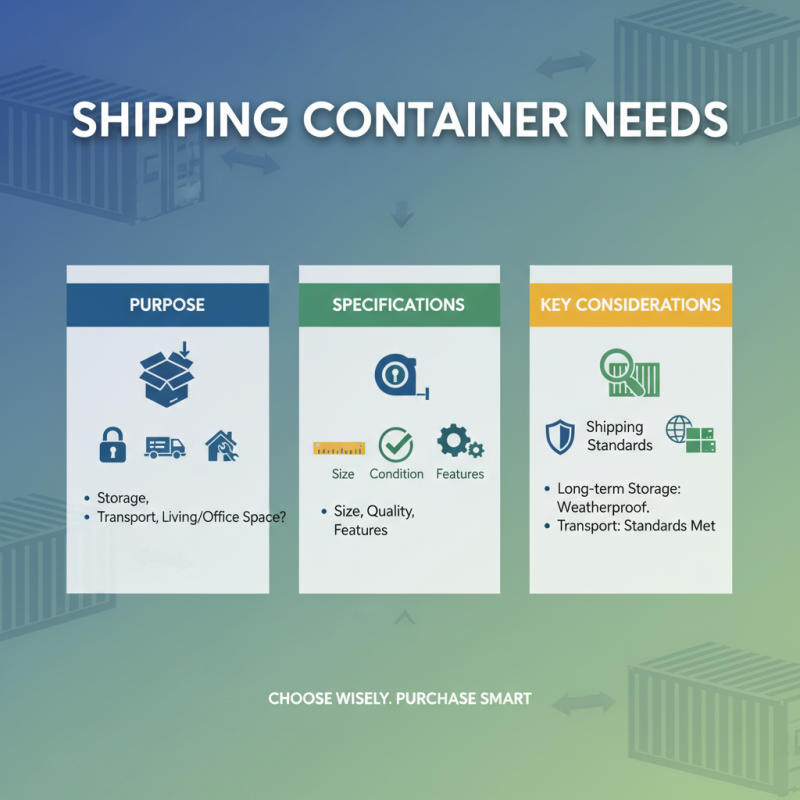
Understanding your shipping container needs is crucial before making a purchase. Firstly, consider the primary purpose of the container. Are you using it for storage, transporting goods, or perhaps converting it into a living space or office? Each of these purposes may require different specifications in terms of size, condition, and features. For example, if you need a container for long-term storage, a high-quality, weatherproof option would be ideal. On the other hand, for transportation, you might prioritize containers that meet specific shipping standards.
Additionally, it's important to evaluate the size of the container required for your items. Shipping containers come in various dimensions, with the most common being 20-foot and 40-foot containers. Assess the volume and type of goods you will be storing or transporting to determine the most suitable size. Furthermore, consider the accessibility of the location where the container will be placed. Ensure that there is adequate space for delivery and that the container can be easily accessed when needed. By clearly understanding your shipping container needs, you can make a more informed decision that aligns with your specific requirements.
Types of Shipping Containers and Their Uses
When considering the purchase of a shipping container, it's essential to understand the different types available and their specific applications. Shipping containers primarily come in several standard sizes and types, including dry containers, refrigerated containers, and specialized containers.
Dry containers are the most common variant, ideal for shipping clothes, electronics, and various goods that do not require temperature control. They are available in both 20-foot and 40-foot sizes, making them versatile for various shipping needs.
Refrigerated containers, or reefer containers, provide temperature control for perishable items such as fruits, vegetables, and pharmaceuticals. These containers are equipped with built-in cooling systems to ensure goods remain fresh during transit. Additionally, there are specialized containers like open-top containers, which allow for the transport of oversized cargo that cannot fit through standard container doors. Other types include flat rack containers for heavy loads and tank containers for liquids, each serving unique needs in the logistics chain.
Understanding these various types of shipping containers will help you determine which one best suits your specific requirements. Assessing the size, intended cargo, and any special handling needs will guide you in making an informed decision that meets your shipping demands efficiently.
Where to Find Shipping Containers for Sale
When looking to purchase a shipping container, the first step is to identify reliable sources where you can find these containers for sale. Various platforms exist, ranging from online marketplaces to local suppliers. Websites dedicated to selling used and new shipping containers often provide a comprehensive selection, complete with visual galleries and detailed specifications. This allows potential buyers to compare prices and conditions, enabling informed choices.
Additionally, consider reaching out to shipping companies or freight forwarders. These entities frequently sell surplus containers that are no longer in use. Direct communication can lead to better deals and an understanding of the condition and history of the container. Local classifieds or online auction sites may also offer opportunities to find shipping containers from private sellers, often at competitive prices. By exploring these different avenues, you can uncover a variety of containers tailored to your specific needs and budget.
Key Factors to Consider When Buying a Container
When purchasing a shipping container, several key factors should be considered to ensure it meets your needs. First and foremost, assess the size of the container. Shipping containers typically range from 10 to 40 feet in length, with standard widths and heights. The size you choose should align with the volume of items you intend to store or transport. Additionally, consider the type of container; standard dry containers are versatile, while refrigerated units are ideal for transporting perishable goods.
Another crucial aspect is the condition of the container. Options generally include new, one-trip, and used containers. New containers offer pristine conditions but come at a higher cost, while used containers may have visible wear and tear but can be more economical. It’s essential to inspect the container thoroughly for structural integrity, rust, and any damage that could affect its usability. Lastly, evaluate logistics such as delivery options, location, and costs associated with transport. Considering these factors will help ensure that you make a well-informed and suitable purchase for your shipping container needs.
What is the Best Way to Purchase a Shipping Container for Your Needs - Key Factors to Consider When Buying a Container
| Factor |
Description |
Importance Level |
| Size |
Choose the right size based on your space and usage needs (20ft, 40ft, etc.). |
High |
| Condition |
Decide between new, used, or refurbished containers. |
Medium |
| Purpose |
Clarify whether the container is for storage, shipping, or modification. |
High |
| Pricing |
Compare prices from different suppliers and consider shipping costs. |
High |
| Location |
Consider the proximity of the supplier to reduce transportation costs. |
Medium |
| Regulations |
Check local regulations regarding container usage and modifications. |
High |
| Modifications |
Determine if you need any modifications for your specific use case. |
Low |
| Delivery |
Understand the delivery process and timelines before making a purchase. |
Medium |
Tips for Negotiating the Best Price on a Shipping Container
When negotiating the best price on a shipping container, the first step is to do thorough research on the current market rates. Understanding the average costs associated with different types and conditions of containers can give you leverage in discussions with sellers. Additionally, being informed about seasonal fluctuations in pricing can help you time your purchase effectively. For example, prices may vary based on demand and supply, so identifying when the market is at a low point can lead to significant savings.
Another crucial aspect of negotiation is establishing a rapport with the seller. Building a good relationship can often lead to more favorable terms. Approach the negotiation professionally and courteously, asking questions that demonstrate your knowledge about shipping containers. It is also wise to express a willingness to walk away if the price does not meet your budget, as this tactic can sometimes prompt the seller to reconsider their offer. Furthermore, considering multiple suppliers and soliciting quotes can create competition and increase your bargaining power, enabling you to secure the best possible deal.
Shipping Container Price Comparison by Condition
This bar chart illustrates the average prices of shipping containers based on their condition. The data indicates that new containers command a premium price, while used and refurbished options offer more budget-friendly choices.