Best Ways to Purchase a Shipping Container for Your Needs?
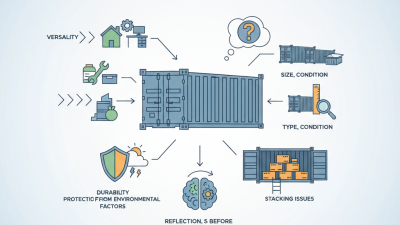
When you decide to purchase a shipping container, the options can feel overwhelming. Many factors come into play, from size to condition. Each choice reflects specific needs and use cases. Shipping containers serve various purposes, including storage, DIY projects, or even as temporary housing. Understanding your requirements is key.
It's crucial to research reliable vendors. Not all suppliers offer the same quality or service. Look for companies with positive reviews and credible experiences. Explore multiple sources to find a container that meets your expectations.
Purchasing a shipping container is not always a straightforward task. Prices can vary significantly. Sometimes, what seems like a deal might hide potential issues. Consider inspecting the container before making a commitment. This can save you from future headaches. Your focus should always be on quality and value.
Factors to Consider When Purchasing a Shipping Container
When considering the purchase of a shipping container, several crucial factors come into play. The condition of the container is paramount. New containers offer longevity and insulation. However, used containers can save money and may be ideal for projects where aesthetics are less critical. According to industry reports, approximately 80% of shipping containers sold are used. It's essential to inspect containers for structural integrity and signs of rust or damage.
Another key factor is the intended usage of the container. Different projects require different specifications. For instance, a container used for storage should have proper ventilation to prevent moisture buildup, while a unit used for transport needs to comply with safety regulations. Research indicates that approximately 27% of shipping containers are converted into homes, making design and customization an important consideration for many buyers.
Cost is also a significant factor. Prices vary widely based on size, condition, and location. A standard 20-foot used container can cost anywhere from $1,500 to $3,500, while new containers may range from $2,500 to $5,000. It’s beneficial to request quotes from multiple suppliers and compare their offerings. This method can lead to savings, but also requires careful scrutiny to ensure quality. Understanding these aspects is vital for making an informed decision in purchasing a shipping container.
Identifying the Right Size and Type of Shipping Container
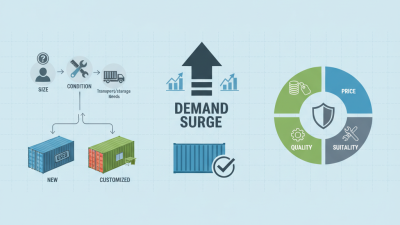
When purchasing a shipping container, size and type are crucial. Over the last decade, the demand for shipping containers has surged. According to the International Maritime Organization, over 200 million containers were in use worldwide in 2023. Choosing the right size ensures optimal usage. Standard sizes include 20-foot and 40-foot containers. The 20-foot container is best for small storage needs. On the other hand, the 40-foot container provides more space for larger projects.
Consider your unique requirements before making a decision. For example, if you plan to convert a container into a home or office, a high-cube container might be desired. This option offers added vertical space and better ventilation. The choice of materials can also impact durability. Most containers are made of corten steel, known for its resistance to corrosion.
The container’s condition is essential. Units can be used, refurbished, or new. Used containers often come at lower prices, but they may require repairs. In contrast, new containers offer reliability but at a premium cost. Industry reports show that buyers should budget for an average of 10-15% more for maintenance when investing in used containers. Make an informed choice by considering usage, budget, and long-term objectives.
Where to Buy Shipping Containers: New vs. Used Options
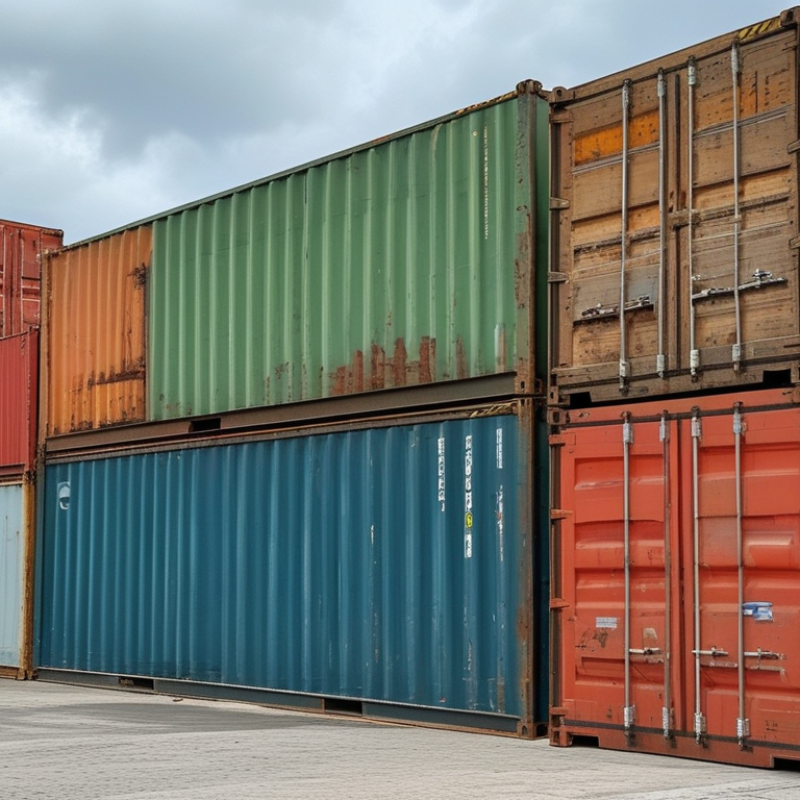
When considering where to buy a shipping container, it is essential to explore both new and used options. New containers are pristine and often come with a warranty. They are great for specific needs, like storage or converting into living spaces. The quality assurance is high, yet the price can be significantly more than used options.
On the other hand, used shipping containers can offer excellent value. They may show signs of wear but can still serve many practical purposes. Often, you can find containers that have been well-maintained and are structurally sound. It's crucial to inspect for any damage or rust, as these can impact longevity. Buying from reputable sellers adds a layer of reliability, ensuring better quality control.
Finding a solid place to purchase can feel overwhelming. Many online platforms list containers, but ensure you do your research. Local suppliers may offer more personalized service. Inspect the container in person if possible. Understand the trade-offs between new and used. Each option has merits and drawbacks that vary based on your specific needs.
Cost Factors and Budgeting for Your Shipping Container Purchase
When considering the cost of purchasing a shipping container, several factors come into play. The price can vary significantly based on the container's condition, size, and type. New containers often cost more than used ones, but they come with a longer lifespan. On the other hand, used containers may show wear and tear. This could lead to additional costs for repairs or modifications. Think about your specific needs. Determine if a standard container will suffice or if you require modified options.
Budgeting for your shipping container is crucial. Consider not only the purchase price but also delivery fees, taxes, and potential customization costs. Some buyers overlook these additional expenses, leading to financial strain. Inspect the container's condition carefully before purchase. Look for rust, leaks, and structural issues. These problems could lead to unexpected costs. Allocating a buffer in your budget for unforeseen expenses is a wise decision. This preparation can save you from financial regret later on.
It’s also important to consider the location from which you are buying. Transport costs can vary widely depending on distance and accessibility. Choosing a local supplier might save you money in shipping fees. However, always ensure they provide quality containers. Research is essential here. Connect with knowledgeable suppliers who can answer your questions. Trustworthy sources can help you make informed decisions. Rushing into a purchase without thorough exploration can lead to costly mistakes. A well-planned budget and informed choices are vital for a successful purchase.
Cost Factors in Purchasing a Shipping Container
Transportation and Delivery Options for Your Container Purchase
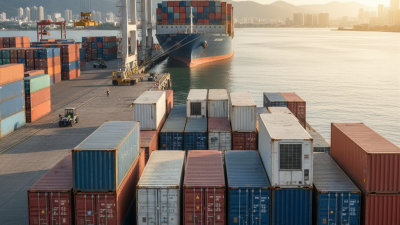
When purchasing a shipping container, transportation and delivery options are key considerations. A recent industry report indicates that nearly 70% of container buyers view shipping logistics as a major factor in their decision-making process. Understanding this can save time and money.
Local freight services often provide more flexibility, ensuring containers can reach your site without delays. However, long-distance hauls may have a higher cost, averaging around $1,200 per 1,000 miles. Sometimes, route limitations and regional regulations create unexpected hurdles, adding to the delivery timeline.
It's important to evaluate the conditions at your delivery location. Some areas may require specialized equipment for offloading. This fact can lead to additional costs if not planned ahead. It’s advisable to receive quotes from multiple carriers to gauge a fair market rate.
Obtaining accurate measurements of your site can also prevent adjustments later on, which many neglect. Taking these aspects into account can enhance your purchasing experience significantly.