Why Choose Plastic Interior Wall Panels for Your Home?
When considering the best materials for home interiors, many homeowners overlook the benefits of Plastic Interior Wall Panels. Renowned expert in materials design, Dr. Emily Carter, emphasizes, “Plastic Interior Wall Panels offer an unmatched combination of durability and versatility.” Her insights highlight the innovative features these panels provide.
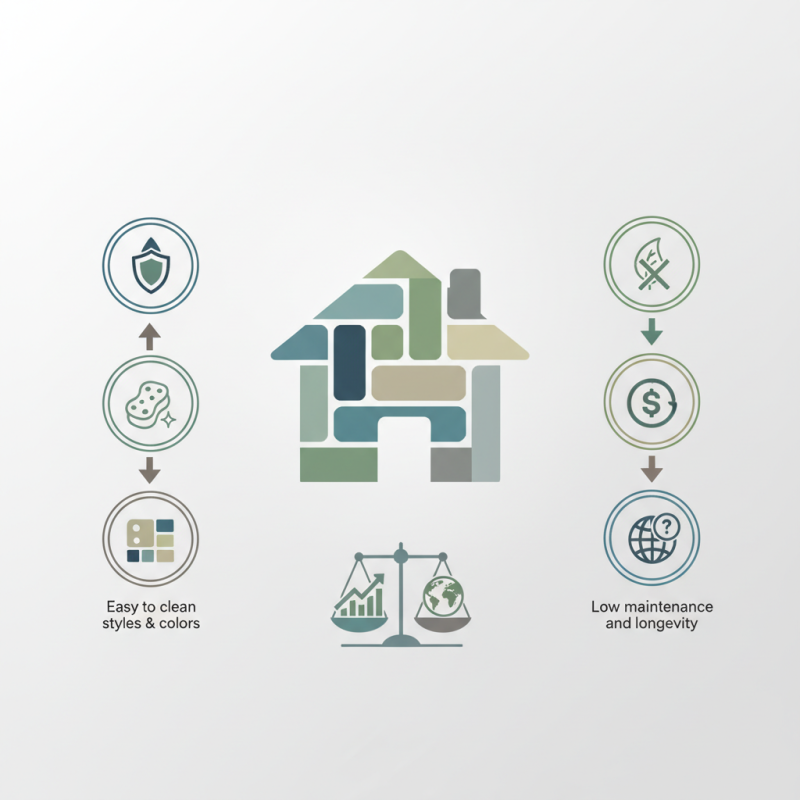
Plastic Interior Wall Panels are not just about aesthetics. They are resistant to moisture and easy to clean, making them ideal for kitchens and bathrooms. Additionally, they come in various styles and colors, catering to every design preference. However, while they offer many advantages, some critics argue about the environmental impact of plastic production. It's essential to weigh these concerns against the benefits of low maintenance and longevity.
In a world where interior design trends shift rapidly, choosing the right materials is vital. Plastic Interior Wall Panels can elevate a space without the high costs of traditional materials. Yet, the decision warrants careful consideration of both their advantages and potential drawbacks.
Benefits of Plastic Interior Wall Panels in Home Design
When considering home design, plastic interior wall panels stand out for several compelling reasons. They are highly versatile and come in various colors and textures, allowing customization. Homeowners can create unique aesthetics without extensive renovations. These panels are moisture-resistant, making them ideal for bathrooms and kitchens. This feature helps prevent mold and mildew, ensuring a healthier living environment.
Tips for installation include ensuring a clean, dry surface. Use foam adhesives to secure the panels firmly. Be mindful of temperature changes, as plastic can expand and contract. If not properly managed, this may cause warping or gaps.
Durability is another significant advantage. Unlike traditional materials, plastic wall panels resist scratches and stains. They are easy to clean. However, be cautious with abrasive cleaners, as they can damage the surface. Small imperfections may occur over time, but they can often add character to your space. This balance between aesthetics and function makes plastic panels a practical choice for any homeowner.
Benefits of Plastic Interior Wall Panels in Home Design
Durability and Maintenance Advantages of Plastic Wall Panels
Plastic interior wall panels are an excellent choice for any home, offering numerous durability and maintenance advantages. Unlike traditional materials, plastic panels are resistant to moisture and humidity. This feature protects against mold and mildew, making them ideal for kitchens and bathrooms. They can withstand impacts and won’t easily dent or scratch, ensuring they look good for years.
Maintenance is straightforward with plastic wall panels. A simple wipe-down with a damp cloth is often sufficient to keep them clean. Unlike painted or wallpapered walls, there is no need for frequent repainting or repairs. Some users find that the panels can be installed over existing surfaces, reducing the mess of renovation. Color and finish options are plentiful, allowing homeowners to customize their space while enjoying easy maintenance.
However, while plastic panels offer many benefits, they require careful selection. Not all panels are created equal, and quality matters. Investing in higher-quality panels may be more effective in the long run. Homeowners should also consider potential odor issues that some lower-grade materials may emit. Balancing aesthetics and practicality is essential in making the right choice for interior designs.
Aesthetic Variety: Styles and Colors of Plastic Wall Panels
Plastic interior wall panels offer a wide range of aesthetic options for any home. You can find them in various styles, colors, and textures, allowing for endless design possibilities. Whether you're drawn to a sleek modern look or a more rustic feel, there's a plastic wall panel to match your taste. For instance, some panels mimic the appearance of natural wood or stone, providing the beauty of these materials without the high maintenance.
Colors also play a significant role. Bright hues can energize a small space, while softer tones promote tranquility. With patterns ranging from geometric designs to floral motifs, these panels can transform any room. Consider how the color choices affect your mood and the overall energy of your home. However, it's essential to reflect on your long-term aesthetic preferences. Trends may change, and what looks fabulous now might feel outdated in a few years.
Don't forget about practicality. Plastic wall panels are durable, easy to clean, and resistant to moisture. This makes them suitable for areas like kitchens and bathrooms. Although they provide a lot of options, it's crucial to use them thoughtfully. Overusing bold colors or busy patterns can overwhelm a room. Balance is key in creating a harmonious environment.
Cost-Effectiveness of Plastic Wall Panels Compared to Alternatives
Plastic wall panels offer an attractive solution for homeowners seeking budget-friendly options. Compared to traditional materials like wood or drywall, plastic panels are lightweight and often less expensive. They resist moisture and mold, making them a durable choice for areas prone to humidity. This durability can translate into lower long-term costs as well.
Installation costs for plastic panels are typically lower, primarily due to their ease of handling. Many panels are designed for quick installation, requiring less labor time. Homeowners can reduce expenses by opting for DIY projects without hiring professionals. However, while the appearance may be pleasing, some may feel plastic lacks the charm of natural materials.
Maintenance is another factor to consider. Plastic panels may not require as much upkeep as wood, but they are not completely maintenance-free. Over time, scratches and wear may be more visible, requiring replacement or repair. Taking care of these panels is crucial to prolonging their lifespan. A balanced view reveals that while plastic panels present cost advantages, long-term aesthetic and maintenance considerations warrant reflection.
Sustainability Considerations for Plastic Interior Wall Panels in Homes
Plastic interior wall panels offer a sustainable option for modern homes. A study by the American Chemistry Council reported that plastic panels can be produced using up to 60% recycled materials. This significantly reduces the carbon footprint associated with their manufacturing. These panels also last longer than traditional materials, which contributes to less waste over time.
Plastic-based products require less energy during production compared to wood and metal. According to the Global Plastics Alliance, utilizing recycled plastic can reduce greenhouse gas emissions by up to 75%. Additionally, their low maintenance needs translate to fewer resources spent on repairs. Homeowners often overlook how this contributes to environmental sustainability.
However, not all plastics are equally eco-friendly. Some formulations may release harmful substances during degradation. It is important to consider the type of plastic used in wall panels. Certification from recognized environmental organizations can assure users of their sustainability claims. While they are a great choice, maintaining an awareness of these factors is crucial for making informed choices.


