How to Choose the Best Drainage Pump for Your Needs?
When it comes to managing water flow, a reliable Drainage Pump is essential. Choosing the right drainage pump ensures efficient removal of excess water. This decision can significantly impact your home or business.
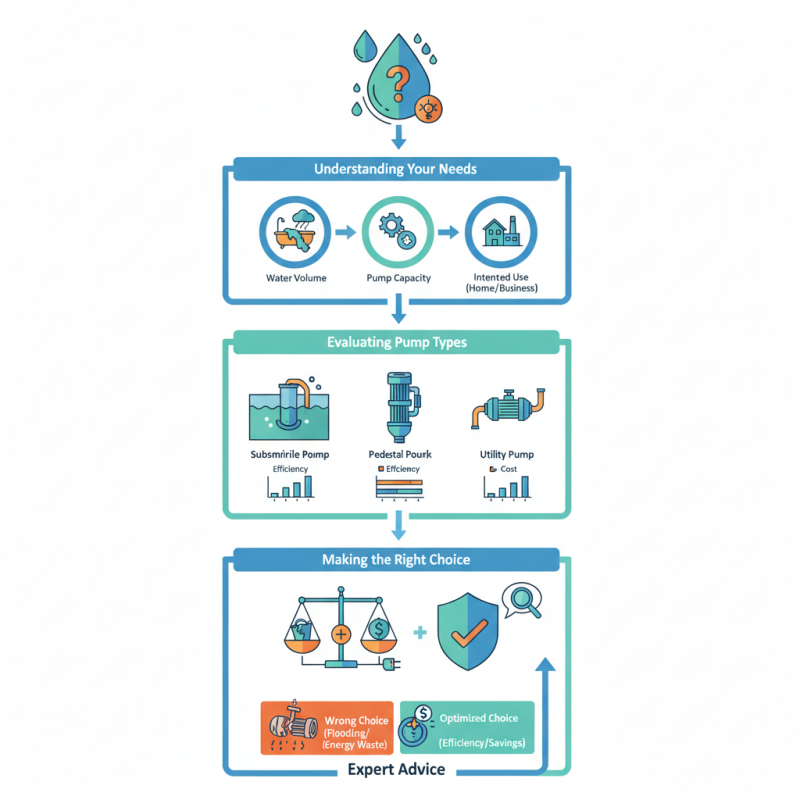
Numerous options exist on the market. Each type of drainage pump has different capabilities. Understanding your specific needs is crucial. Factors like water volume, pump capacity, and intended use must be considered.
Many people underestimate how quickly a wrong choice can lead to complications. A pump that is too small may fail during heavy rain, causing flooding. Conversely, an excessively powerful pump may lead to unnecessary energy costs. Identifying the right balance is important for achieving efficiency and functionality. Hence, expert advice may help you navigate the choices effectively.
Understanding the Basics of Drainage Pumps
Understanding drainage pumps is essential for effective home maintenance. These devices remove excess water from areas prone to flooding. They are commonly used in basements, construction sites, and outdoor areas. A drainage pump can save you from costly repairs due to water damage.
The types of drainage pumps vary in functionality and design. Submersible pumps operate underwater, while pedestal pumps sit above the water level. Knowing your needs helps narrow down options. For small leaks, a portable pump might suffice. However, in cases of significant water accumulation, a more powerful option is necessary. Remember to consider the pump's capacity, durability, and ease of operation.
Many buyers overlook the importance of maintenance. Regular checks can prolong a pump's life. Ensure filters are clean and hoses are clear. Even reliable pumps can fail if neglected. Understanding your specific situation aids in selecting the appropriate model. Listen to expert advice and read reviews. This knowledge empowers you to make an informed decision.
Drainage Pump Features Comparison
Identifying Your Specific Drainage Needs
When it comes to choosing a drainage pump, identifying specific needs is crucial. Different scenarios require different pump types. For instance, a basement prone to flooding needs a sump pump. Conversely, landscaping projects might benefit from a submersible pump. Assessing the location is vital, as this influences pump selection.
Consider the volume of water expected in your situation. A small leak requires a less powerful pump. However, heavy rainfall demands a more robust solution. Think about the discharge height as well. A pump must push water at the required elevation. This factor affects efficiency and performance.
Don't overlook the power source. Electric pumps are common, but battery-operated can be beneficial in emergencies. Assess your energy access. Also, evaluate pump durability. Flood-prone areas need reliable, long-lasting equipment. Reflect on your preferences and comfort with maintenance too. Some pumps need regular upkeep, while others are low-maintenance. Sage choices depend on personal capacity to handle repairs.
Evaluating Different Types of Drainage Pumps
When evaluating different types of drainage pumps, you’ll encounter a variety of options, each tailored for specific needs. Submersible pumps are one of the most common types. They are designed to work underwater, making them ideal for basement flooding. These pumps have a sealed motor, allowing them to handle dirty water efficiently. However, they can be prone to damage if debris clogs the impeller.
Another type is the pedestal pump, which operates above the water level. These pumps are easier to maintain and repair. They are also less affected by debris, as they don’t need to be fully submerged. However, they may struggle with high water levels and are typically less efficient in large-scale operations. Consider your circumstances before making a choice.
You might also explore more specialized options like sewage pumps. These are designed to handle waste and can manage thicker materials. However, they are generally more complex and require careful installation. It’s crucial to assess the specific demands of your situation. Overlooking details could lead to inefficiencies or early pump failure. Always reflect on the environment and the expected workload when selecting a drainage pump.
Key Features to Look for in a Drainage Pump
When selecting a drainage pump, key features should guide your choice. Consider the pump’s flow rate. This is crucial as it indicates how quickly water can be moved. Look for a pump that can handle the volume of water you expect. Higher flow rates are beneficial for larger areas or heavy rainfall.
Another important feature is the pump's head height. This refers to how high water can be lifted. If your setup requires pumping water vertically, ensure the pump meets your needs. The head height should match the distance the water must be lifted. It’s better to have a bit more capacity, as it supports efficiency.
Tips: Always check the pump's material. A durable casing can extend its lifespan. Avoid choosing a pump solely based on price. Sometimes, a cheaper option can lead to frequent replacements. Lastly, think about the pump's power source. Electric pumps are powerful but may need a backup in case of power outages. Battery-powered ones provide mobility, but might not be as robust. Choose wisely; your environment should dictate your choice.
How to Choose the Best Drainage Pump for Your Needs? - Key Features to Look for in a Drainage Pump
| Feature | Description | Importance |
| Pump Type | Submersible or pedestal pump suitable for different drainage needs. | Choose based on installation space and water depth. |
| Flow Rate | Measured in gallons per minute (GPM), indicates how quickly water can be pumped out. | Higher flow rate means more effective drainage. |
| Max Head Height | The maximum distance the pump can lift water vertically. | Essential for basements or low-lying areas. |
| Material | Construction materials - plastic, stainless steel, or cast iron. | Durability and corrosion resistance are key for longevity. |
| Automatic vs Manual | Automatic pumps turn on/off based on water levels; manual requires user intervention. | Automatic pumps are more convenient for regular use. |
| Power Source | Electric, battery-operated, or gas-powered options. | Battery options are useful in case of power outages. |
Comparing Costs and Brands for Best Value
When selecting a drainage pump, understanding the costs and brands is crucial. Many options exist, each with different features and price points. High efficiency and build quality often come with a higher price tag. However, spending more doesn't always mean better performance. It's essential to consider what specific tasks you need the pump for.
Tips: Look for pumps with good energy ratings. A pump that runs efficiently can save you money long-term. Don't overlook user reviews and warranty offers. They provide insights into reliability and performance.
In the world of drainage pumps, understanding market prices can be tricky. Various brands may offer similar specifications at different price points. Keep in mind, not all inexpensive pumps are inferior, but they may lack certain features. Evaluate what you truly need versus optional extras.
Tips: Always read through product comparisons. They can point out strengths and weaknesses effectively. If you're unsure, consult with professionals or reach out to users who have firsthand experience. This feedback can illuminate which pumps offer genuine value for money.