2025 How to Choose the Best Side Open Container for Your Shipping Needs
When it comes to shipping and logistics, the choice of container can significantly impact efficiency, safety, and overall cost-effectiveness. The "side open container" has gained popularity in the industry due to its unique design that allows for easy loading and unloading from the side, making it an excellent option for transporting oversized or awkwardly shaped goods. As noted by industry expert John Thompson, a veteran in shipping solutions, "The right container can optimize your supply chain, especially when handling items that require quick access and flexible loading options."
Choosing the best side open container involves examining various factors such as the dimensions, weight capacity, and the specific needs of your shipment. Whether you are transporting construction materials, machinery, or large industrial products, understanding these elements can ensure that your choice aligns with your operational requirements. It's essential to analyze your shipping patterns and the types of products you'll be transporting, as this directly influences the decision-making process when selecting a side open container. By prioritizing the right selection, businesses can enhance their logistics efficiency while minimizing potential delays and costs associated with improper shipping methods.
Understanding Side Open Containers: Definition and Features
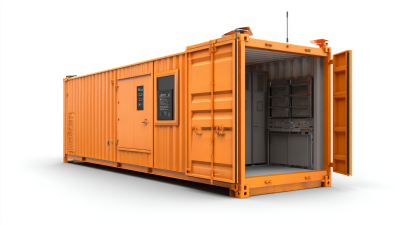
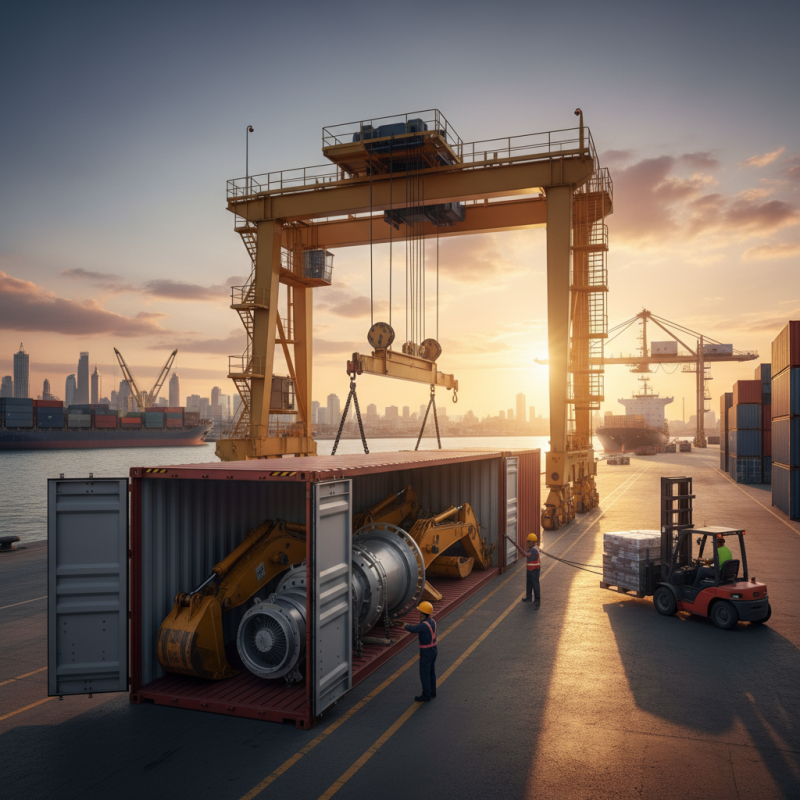
Side open containers are a specialized type of shipping container designed to provide easy access to cargo from the side, rather than the traditional end or top access. This unique feature is especially useful for loading and unloading goods that are wider or need more space to maneuver than what might be available through standard openings. Typically equipped with large, double doors that swing open, side open containers enable quick and efficient handling of products, making them an excellent choice for businesses that deal with oversized items, such as machinery, bulk materials, or pallets.
In addition to accessibility, side open containers come with several other notable features. They are generally constructed from durable materials, ensuring they can withstand various environmental conditions during transit. Many models also offer stackability, which optimizes storage space both when in use and when not. Furthermore, these containers are often customizable, allowing for modifications such as added ventilation, insulation, or shelving systems, enabling businesses to tailor the container to their specific shipping needs. Understanding these features can help businesses make informed decisions about which side open container will best serve their logistics and transportation requirements.
Evaluating Shipping Needs: Analyzing Cargo Dimensions and Weight
When selecting the best side open container for your shipping needs, evaluating the cargo dimensions and weight is crucial. According to a report by the International Maritime Organization, cargo that exceeds specific weight limits can significantly impact shipping costs and logistics efficiency. For instance, understanding the maximum payload capacity of containers—typically ranging from 20 to 30 tons for standard sizes—can help businesses avoid penalties associated with overweight cargo. This knowledge not only ensures compliance with shipping regulations but also optimizes load distribution and stability during transport.
Furthermore, dimensions of the cargo, including length, width, and height, play a vital role in container selection. A study by the World Shipping Council highlights that improperly sized containers can lead to inefficient space utilization, causing increased shipping expenses. For example, using a 40-foot container for cargo that could fit into a 20-foot container may triple shipping costs unnecessarily. Thus, accurately measuring cargo and matching these dimensions to applicable container sizes can enhance operational efficiency, reduce transport costs, and minimize the risk of damage during transit. This focused analysis on cargo specifications is essential for making informed decisions and effectively meeting shipping requirements.
Comparing Material Options: Steel vs. Aluminum Side Open Containers
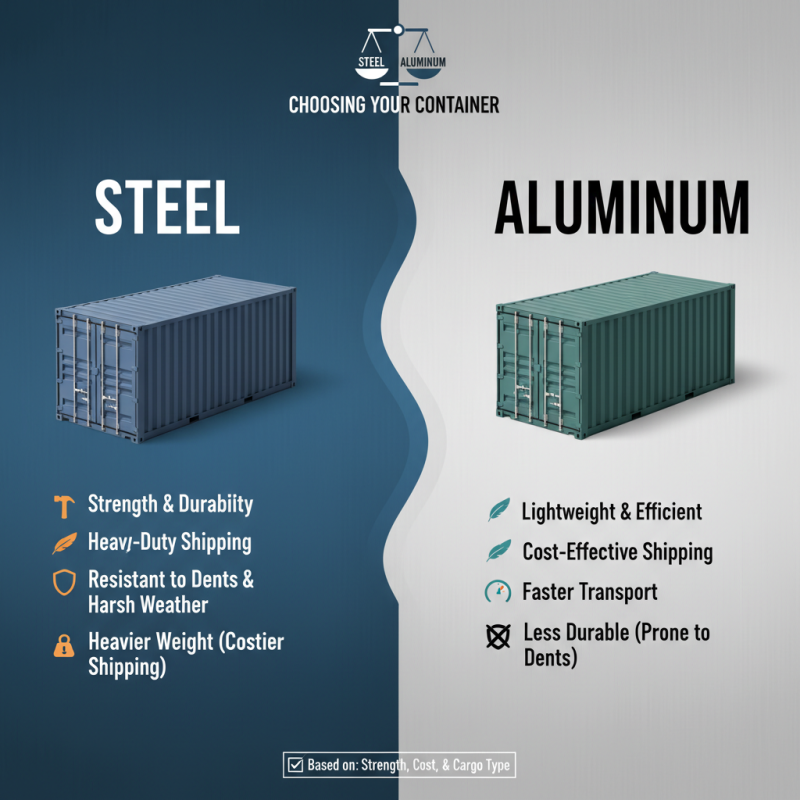
When selecting a side open container for your shipping needs, the choice between steel and aluminum materials is pivotal. Steel containers are renowned for their strength and durability, making them ideal for heavy-duty shipping. They are resistant to dents and can withstand harsh environmental conditions, which is crucial for transporting valuable goods. However, their weight can be a significant drawback, especially when shipping costs are influenced by the overall weight of the container and its contents.
On the other hand, aluminum side open containers offer a compelling alternative with notable benefits. These containers are much lighter than their steel counterparts, which can lead to reduced shipping expenses when transporting goods over long distances. Additionally, aluminum’s natural resistance to corrosion ensures a longer lifespan and less maintenance over time. This can be particularly advantageous for companies aiming to maximize efficiency and minimize repairs. Ultimately, weighing these material options against your specific shipping requirements will help in making the best choice for your operations.
Assessing Cost-Effectiveness: Price Trends in the Container Market
When evaluating side open containers for shipping needs, understanding cost-effectiveness is crucial, particularly in the context of pricing trends within the container market. Historically, prices of these containers fluctuate due to various factors such as supply chain dynamics, demand fluctuations, and raw material costs. Over recent years, a notable trend has been the increased availability of side open containers, leading to a more competitive market. This surge in supply has positively impacted pricing, allowing businesses to find more
budget-friendly options that still meet their shipping requirements.
To make an informed choice, businesses must analyze not just the initial cost but also long-term value. This includes considering durability, maintenance costs, and the potential for multi-use in various shipping scenarios. Additionally, it is beneficial to keep an eye on market forecasts and price projections.
Economic indicators and shipping trends often provide insights into future pricing movements, enabling companies to time their purchases effectively, thus maximizing their cost savings over time. By staying informed about these trends, shippers can select containers that offer not only competitive pricing but also robust performance in their logistical operations.
Industry Standards and Regulations: Ensuring Compliance for Your Container
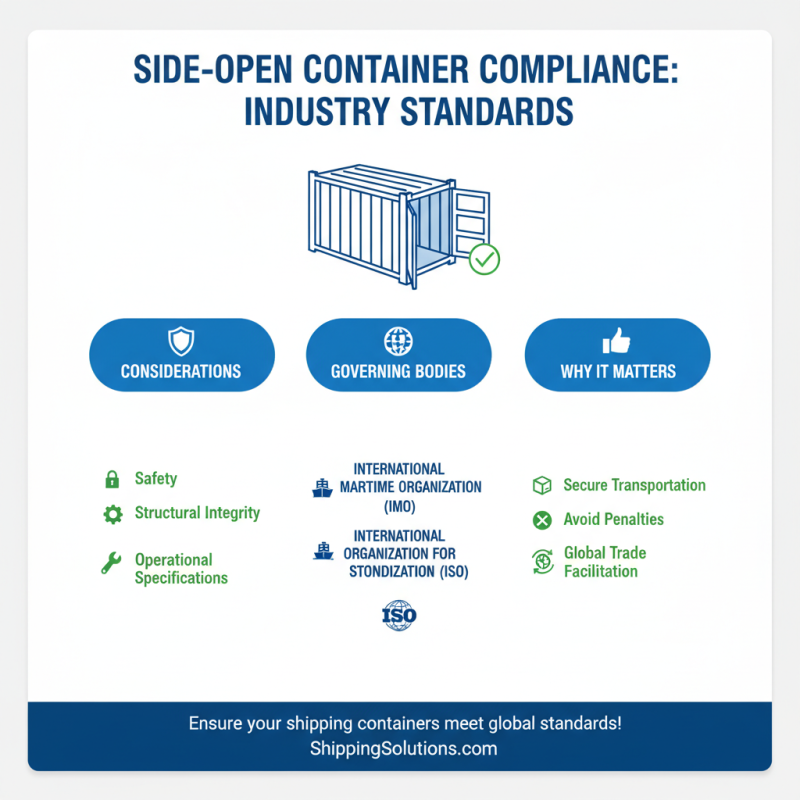
When selecting a side open container for your shipping needs, one of the foremost considerations is compliance with industry standards and regulations. The shipping industry is governed by various international and national regulations, including those set by organizations such as the International Maritime Organization (IMO) and the International Organization for Standardization (ISO). Understanding these regulations ensures that the containers you choose meet safety, structural, and operational specifications essential for secure transportation.
Moreover, it is vital to be aware of specific shipping requirements that may apply to your cargo type. For instance, certain materials may necessitate containers that adhere to particular environmental controls or structural integrity standards. By ensuring that your side open container complies with these regulations, you not only enhance the safety of your cargo but also mitigate the risk of legal issues during transit. This attention to compliance can ultimately streamline the shipping process and enhance the reliability of your logistics operations.