How to Choose the Right Sea Container for Your Business Needs?
Selecting the right sea container is crucial for businesses engaged in logistics and transportation. According to the Global Container Market Report, the container shipping industry is projected to grow at a compound annual growth rate of 5.1% until 2027. This growth highlights the increasing importance of efficient container usage for businesses.
Different sea containers cater to various needs, from transporting perishables to durable goods. For instance, refrigerated containers, or reefers, are vital for keeping food fresh over long distances. Understanding these options is essential for minimizing costs and maximizing efficiency. Research from the International Maritime Organization indicates that improper container selection can lead to significant energy waste and financial losses.
Many businesses struggle with choosing the right sea container. Factors like size, material, and insulation must be considered. Reflecting on your specific needs will lead to better decisions. In this complex landscape, investing time in understanding sea container specifications can yield long-term benefits. Reliable resources and expert consultations are invaluable for navigating this decision-making process.
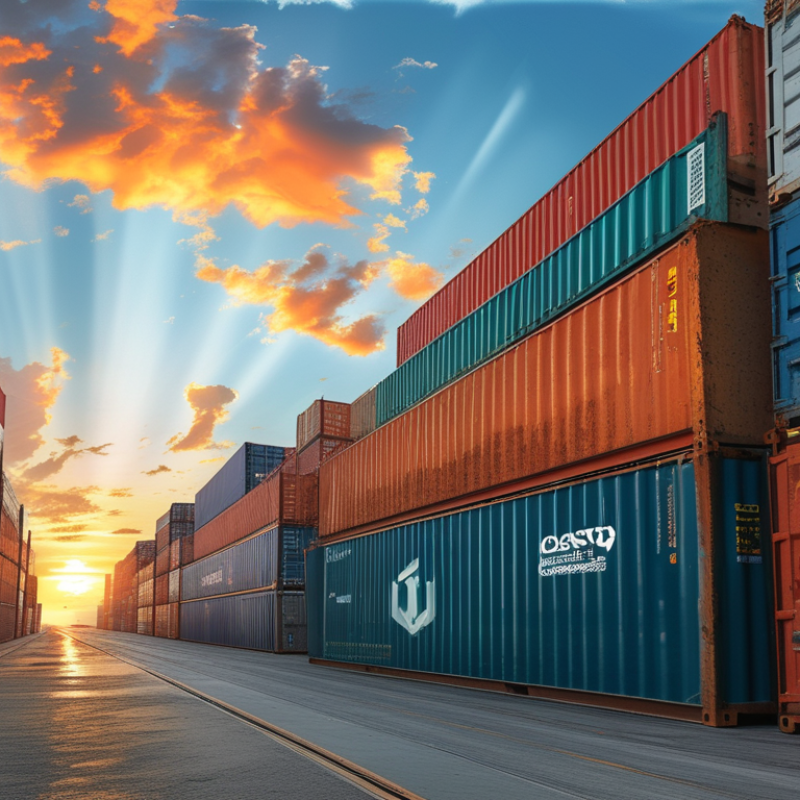
Understanding Different Types of Sea Containers Available for Shipping
When selecting a sea container, it's crucial to understand the types available. Standard containers are the most common. These can safely transport various goods. They usually come in sizes like 20-foot and 40-foot. Their simplicity makes them an easy choice for many businesses.
Reefer containers are another option. They maintain specific temperatures, making them ideal for perishable goods. However, they are more expensive to rent and operate. Consider if you really need that added temperature control or not.
Open-top containers can be useful for oversized cargo. They lack a rigid top, which allows taller items to be accommodated. Yet, they require more careful handling during transportation. Each container type has its pros and cons. Choose wisely based on your specific needs.
How to Choose the Right Sea Container for Your Business Needs?
| Container Type |
Dimensions (ft) |
Volume (cb ft) |
Weight Limit (lbs) |
Typical Uses |
| 20 ft Standard Container |
20 x 8 x 8.5 |
1,165 |
44,000 |
General Cargo |
| 40 ft Standard Container |
40 x 8 x 8.5 |
2,390 |
58,000 |
General Cargo |
| 40 ft High Cube Container |
40 x 8 x 9.5 |
2,694 |
67,200 |
Tall Cargo, Machinery |
| Reefer Container |
40 x 8 x 9.5 |
2,692 |
58,000 |
Perishable Goods |
| Open Top Container |
40 x 8 x 8.5 |
2,390 |
58,000 |
Heavy Machinery, Goods requiring overhead loading |
Assessing Your Business Requirements for Storage and Transport Solutions
Choosing the right sea container involves a keen assessment of your business's specific storage and transport needs. The size, material, and type of container can greatly affect logistics efficiency. According to industry reports, over 90% of global trade relies on shipping containers. This statistic highlights the importance of selecting the appropriate solution for your operations.
Start by analyzing your inventory. Understand the dimensions, weight, and types of products you transport. A standard 20-foot container holds about 1,172 cubic feet of cargo. However, for larger goods or higher volumes, a 40-foot container may be more suitable, accommodating up to 2,390 cubic feet. Miscalculating your requirements can lead to unexpected costs or delays.
Take into account the shipping routes and potential climatic conditions. Containers can be uninsulated or insulated, affecting their suitability for certain products. For instance, temperature-sensitive items require specialized containers to ensure integrity during transit. Research indicates that around 20% of shipments face delays due to improper container selection. It’s essential to reflect on your needs thoroughly to avoid such pitfalls.
Evaluating Container Size Options for Efficient Cargo Management
When choosing a sea container, size is pivotal for effective cargo management. Containers come in various dimensions: 20-foot and 40-foot sizes are the most common. According to the International Maritime Organization, around 90% of global trade relies on shipping. Therefore, selecting the right size impacts efficiency.
For businesses handling larger volumes, a 40-foot container offers approximately double the capacity of a 20-foot one. However, this does not guarantee optimal usage. Many companies report underutilizing container space, leading to higher shipping costs. In a recent report from the World Shipping Council, nearly 30% of shipments are sent with less than their full capacity used. This inefficiency can adversely affect profit margins.
It's essential to evaluate cargo dimensions and weight regularly. Accurate measurements ensure containers do not exceed weight limits. Ignoring this can lead to fines or delays at ports. Furthermore, considering future needs is crucial. A company expanding rapidly may require larger containers sooner than anticipated, impacting planning and budgeting. Balancing current demands with future growth shapes successful cargo management strategies.
Comparing New vs. Used Sea Containers: Pros and Cons
When selecting a sea container for your business, new and used options each come with distinct advantages and drawbacks. New containers offer reliability, ensuring that your goods are well-protected during transit. According to industry reports, new containers typically have a lifespan of 10 to 25 years, providing long-term value. However, they come at a higher initial cost, which may not fit every budget.
On the other hand, used containers are an economical choice. They can save businesses up to 40% compared to their new counterparts, making them attractive for startups or small enterprises. However, their condition can be variable. You may encounter rust, dents, or internal wear, which can compromise cargo safety. A thorough inspection is critical. Research shows that almost 30% of used containers require repairs shortly after purchase.
Ultimately, the decision hinges on your specific needs and financial situation. If reliability is paramount, investing in a new container may prove beneficial. However, if cost-efficiency is essential, ensure you carefully evaluate the condition of a used container. Awareness of these trade-offs can help you make a more informed choice for your shipping and storage requirements.
Selecting Additional Features and Modifications for Your Container Needs
When selecting a sea container, additional features can greatly enhance functionality. Many companies overlook how modifications can meet specific business needs. For instance, refrigerated containers are invaluable for businesses transporting perishable goods. According to industry reports, around 30% of containers used for shipping require temperature control. This indicates a significant demand for such specialized units.
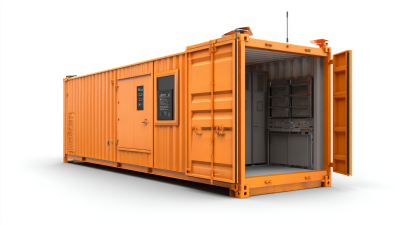
Customization options can include ventilation, insulation, and reinforced flooring. A well-ventilated container reduces moisture, which helps prevent damage to cargo. Insulation aids in maintaining consistent temperatures, crucial for items like pharmaceuticals. Reports suggest that inadequate insulation can lead to a loss of up to 15% of temperature-sensitive products during transit.
Tip: Always assess your cargo requirements before selecting features. Not every container needs extensive modifications.
Considering budget constraints is essential as well. Simple adaptations, like adding shelving or locking mechanisms, can enhance storage without breaking the bank. However, it's essential to balance costs with potential losses from damaged goods. Investing wisely in these additional features can lead to higher efficiency and reduced waste.
Tip: Regularly review your container utilization rates. It helps in understanding whether your modifications are delivering value.