10 Essential Tips for Choosing the Right Shipping Container for Your Needs?
Choosing the right shipping container is crucial for various needs. Whether for storage, shipping, or conversion into a living space, the decision can overwhelm anyone. It’s essential to consider your specific requirements before making a purchase.
Shipping containers come in various sizes, types, and conditions. Understanding these differences can save you time and money. Take the time to assess what you truly need. A used container may meet your needs, but be wary of hidden damage. You want something reliable, especially if it will hold valuable belongings.
Think about the environment where the container will be placed. Will it be exposed to harsh weather? Is it going on a truck, ship, or a permanent site? Each situation has unique challenges. Not every shipping container will suit every purpose. Reflecting on these details ensures you make an informed choice that aligns with your goals.
Understanding the Different Types of Shipping Containers Available
When selecting a shipping container, it's vital to understand the various types available. Standard containers are the most commonly used. They come in sizes usually measuring 20 or 40 feet. These containers are versatile and suitable for a range of goods. However, they might not always be the best option for specialized cargo.
Reefer containers are designed for temperature-sensitive items. They maintain a consistent temperature and are crucial for transporting perishable goods. If you need to ship perishables, a reefer may be your best choice. But remember, they require a power source, which can complicate logistics.
Open-top containers are another option. Ideal for tall cargo, they provide easy loading. However, they lack protection against the elements. You risk exposure to rain or snow, which could damage your goods. Consider your shipment’s journey and potential risks carefully.
Each container type has its pros and cons. Take your time to evaluate what suits your needs best before making a decision.
Assessing Your Shipping Needs: Size, Purpose, and Duration
When choosing a shipping container, assessing your shipping needs is crucial. Start by evaluating the size you require. Consider what items you plan to ship. Will you need space for oversized pieces? Or maybe just a few boxes? Measuring your cargo can help avoid costly miscalculations.
Next, think about the container's purpose. Are you transporting goods across short distances or storing items for extended periods? Different purposes may necessitate different container types. A standard container might suffice for short trips. For long-term storage, a climate-controlled unit could be essential. Each option has its benefits and drawbacks.
Finally, consider the duration of use. If you only need the container for a one-time shipment, renting might be best. However, if ongoing needs arise, purchasing a container could save money long-term. Every choice can impact your budget and efficiency. These factors may seem simple but can easily be overlooked. Understanding them fully can lead to better decisions.
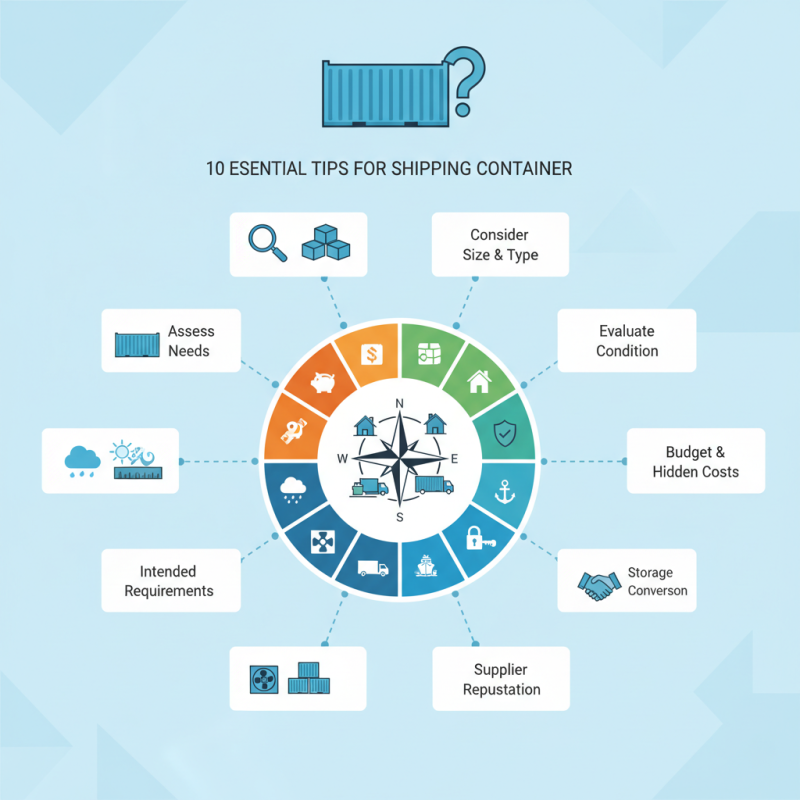
10 Essential Tips for Choosing the Right Shipping Container for Your Needs
| Tip No. |
Consider Size |
Determine Purpose |
Evaluate Duration |
| 1 |
Choose from 10', 20', or 40' containers based on your cargo size. |
Select a standard container for general cargo, or a refrigerated one for perishables. |
Consider how long you will need the container—short-term rentals vs. long-term purchases. |
| 2 |
Assess maximum weight capacity for transport. |
Use containers for storage, transport, or conversion into living spaces. |
Think about seasonal needs—temporary solutions may suffice during peak periods. |
| 3 |
Consider stacking options if space is limited. |
Consider custom modifications based on intended use and regulatory requirements. |
Plan for potential changes in shipping duration and related costs. |
| 4 |
Evaluate available door types for easy access to cargo. |
Select specialized containers for hazardous materials if applicable. |
Account for any possible delays in shipping logistics. |
| 5 |
Choose a container with appropriate ventilation for sensitive goods. |
Consider future needs—will you need to scale up? |
Review storage duration versus rental costs to optimize expenses. |
Evaluating Container Condition: New, Used, or Refurbished
When choosing a shipping container, evaluating its condition is crucial. Containers come in three main categories:
new, used, or refurbished.
New containers are pristine but often expensive. They are ideal for specific needs, like high-value goods.
However, their cost may not fit every budget.
Used containers are a popular choice. They offer a more economical solution.
However, it’s important to inspect them thoroughly. A report by the Container Trade Statistics shows that about 20% of used containers exhibit significant wear.
Look for rust, dents, and structural damage. These issues can compromise the container's integrity.
Refurbished containers fall in between. They are often repaired and cleaned, making them a reliable option.
However, verification is key. You want to ensure that any repairs are done properly. Not all refurbishing processes are equal.
Tip: Always check the container's history. Ask for maintenance records if available.
This can reveal any past issues. Tip: If possible, opt for a container with a warranty.
This offers peace of mind for your investment. Keep these insights in mind to make the right choice for your shipping needs.
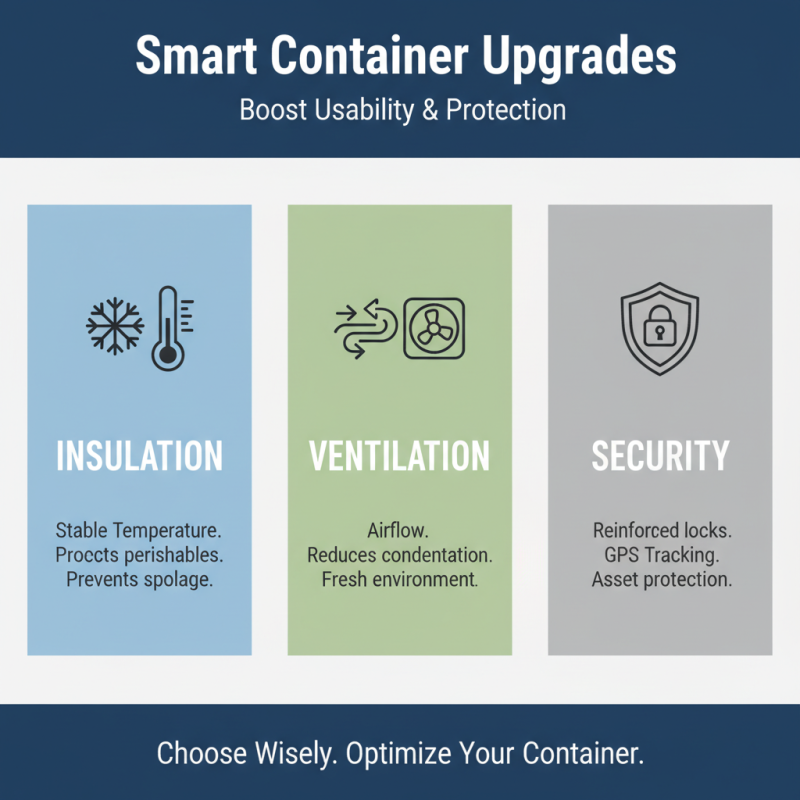
Considering Additional Features: Insulation, Ventilation, and Security
When choosing the right shipping container, consider the additional features like insulation, ventilation, and security. These elements can greatly impact the usability of your container. Insulation helps maintain a stable internal temperature. It is vital for goods sensitive to temperature changes. Look for containers with reinforced insulation solutions. This can prevent spoilage of perishable items.
Ventilation is another critical factor. Proper airflow helps reduce moisture and prevents mold growth. You might want to invest in containers with built-in vents. This simple addition can save you from future damages. However, remember that too much ventilation can lead to temperature fluctuations. Finding the right balance is essential.
Security features should not be overlooked. A standard shipping container has basic locks, but this might not be enough. Consider options like additional lock points or reinforced door frames. These features can deter theft or unauthorized access. Reflect on your location and the risks involved. A secure container not only protects your items but also gives you peace of mind.
Budgeting for Purchase and Delivery of Shipping Containers
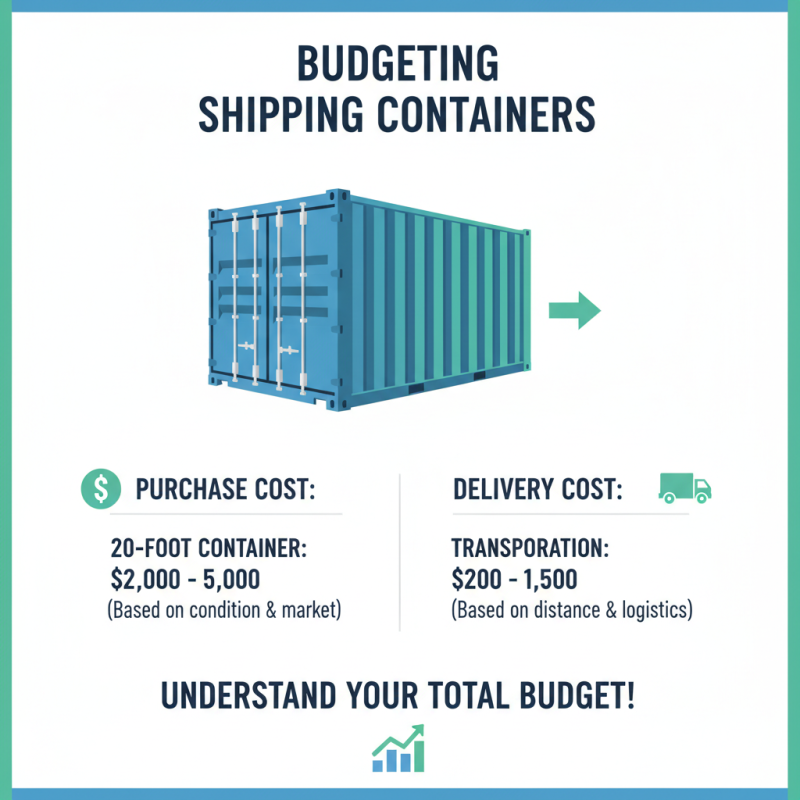
When budgeting for the purchase and delivery of shipping containers, it's crucial to account for all costs involved. A standard 20-foot container typically costs between $2,000 and $5,000, depending on condition and market demand. Additionally, shipping costs can add up quickly. For example, transportation can range from $200 to $1,500, depending on distance and logistics. Therefore, understanding your total budget is essential.
Consider storage fees, as they can be a hidden cost. Many suppliers charge daily or monthly rates. For instance, some storage options can cost around $1 per day. This expense can significantly impact your overall budget, especially if your project timeline is extended.
Always research local regulations regarding container placement. Fines for code violations could jeopardize your budget. Choosing the right location can save you money. Think about accessibility and local delivery options. The distance from the supplier affects price. Typically, local deliveries cost less than long-haul transports. Understanding these factors can help in planning effectively, ensuring a smoother process.