10 Essential Tips for Using Shipping Containers Effectively?
The use of shipping containers has soared dramatically in recent years. The global shipping container market was valued at over $8 billion in 2021 and is expected to continue growing. This trend highlights the increasing importance of effective management and utilization in logistics and construction. Business expert Tom Wells states, “Understanding the potential of shipping containers can transform operations and reduce costs.”
Containers offer versatile solutions for storage, transport, and even innovative architecture. However, their usage often lacks optimization. Many businesses do not leverage features like insulation or modular designs. Statistically, over 30% of shipping containers are underutilized, leading to wasted resources.
Recognizing these gaps is crucial. Businesses can improve efficiency and sustainability by adopting best practices in shipping container usage. Solutions include proper stacking techniques and selecting the right type of container. Thus, mastering the art of shipping container utilization is vital for maximizing investment and effectiveness.

Understanding the Advantages of Shipping Containers for Storage and Transport
Shipping containers have revolutionized storage and transport in various industries. Their robust construction makes them ideal for safeguarding goods. According to a report by the International Maritime Organization, nearly 90% of global trade relies on container shipping. This statistic underscores the importance of utilizing containers effectively.
One of the key advantages of shipping containers is their versatility. They come in various sizes, accommodating diverse storage needs. For instance, a standard 20-foot container can hold up to 10,000 kg of cargo. However, improper stacking or positioning can lead to structural issues. It requires careful planning to maximize space while maintaining safety. Additionally, containers are often repurposed for office spaces, workshops, and pop-up shops, showcasing their multifunctionality.
Despite their strengths, using shipping containers does have challenges. Weather conditions can affect the integrity of the container, especially if not properly maintained. Regular inspections are critical to prevent rust and corrosion. Moreover, local regulations may impose restrictions on container placement. Awareness of these factors ensures effective use in both temporary and long-term situations.
Assessing Your Needs Before Acquiring Shipping Containers
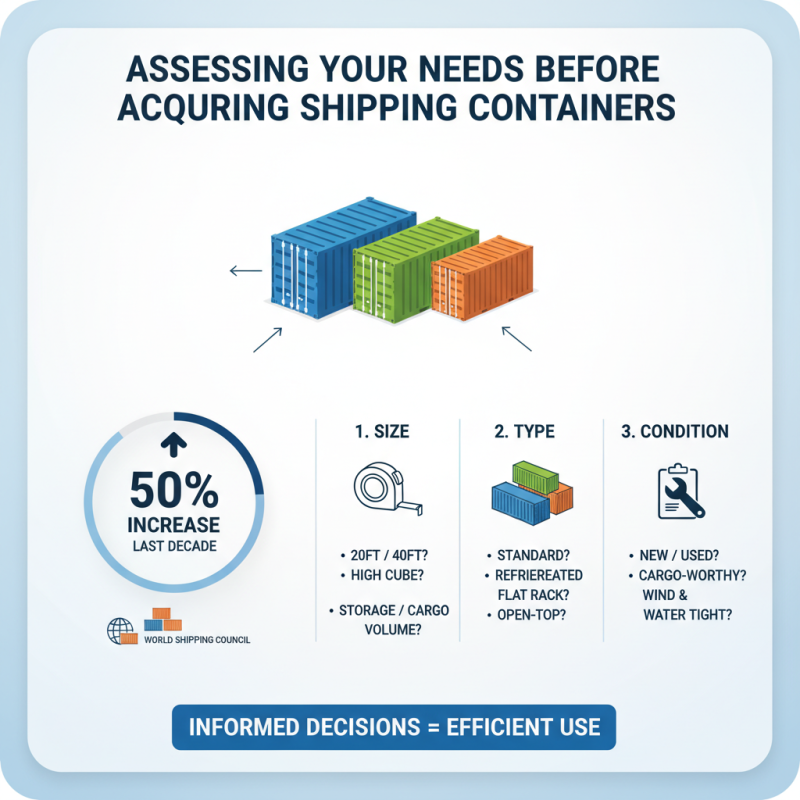
Before acquiring shipping containers, it's crucial to assess your needs carefully. This step helps ensure that the containers will serve their intended purpose efficiently. According to the World Shipping Council, the demand for shipping containers has surged by 50% over the last decade. This data highlights the importance of making informed decisions regarding size, type, and condition.
Consider how you plan to use the container. Will it be for storage, transportation, or a unique construction project? A simple modification, like adding ventilation, can make storage containers suitable for perishable goods. Another tip is to evaluate your local climate. Extreme temperatures may affect the container's integrity and contents.
Understanding your budget is essential too. Shipping containers can range significantly in price based on size and condition. Reports suggest that prices have risen by 30% over the past year, driven by increased demand. It's wise to include potential renovation costs in your budget. Reflecting on these factors can prevent costly mistakes and ensure you get the most out of your investment.
Best Practices for Maintaining and Securing Shipping Containers
When it comes to maintaining and securing shipping containers, understanding their vulnerabilities is crucial. According to industry reports, over 90% of shipping container thefts occur due to inadequate security measures. Enhanced locking systems can significantly reduce the risk. It’s essential to install high-quality locks that are resistant to tampering. Additionally, using container alarms or GPS tracking devices can help monitor the containers and deter potential thieves.
A comprehensive maintenance plan is vital for long-term container use. Regular inspections can identify rust, leaks, and structural weaknesses. The Container Owners Association suggests that containers should be cleaned and inspected every six months to ensure their integrity. Any damage should be addressed promptly to avoid costly repairs down the line. Furthermore, storing containers on stable ground reduces the risk of shifting or settling, which can wear down the container’s structure over time.
Finally, securing containers in well-lit areas with adequate surveillance is also a best practice. According to recent surveys, visibility plays a crucial role in reducing theft incidents. However, many businesses overlook this detail, leading to increased vulnerability. By implementing these practices thoughtfully, companies can enhance both safety and longevity of their shipping containers.
10 Essential Tips for Using Shipping Containers Effectively
| Tip Number |
Tip |
Description |
| 1 |
Choose the Right Size |
Select the container size that fits your needs, typically 20ft or 40ft. |
| 2 |
Regular Maintenance |
Inspect regularly for rust, leaks, and structural integrity. |
| 3 |
Secure Your Container |
Use high-quality locks and consider security cameras for monitoring. |
| 4 |
Proper Ventilation |
Ensure airflow to prevent moisture build-up and mold growth. |
| 5 |
Organize Interior Space |
Use shelving and bins to maximize usable space. |
| 6 |
Use Weatherproofing |
Consider insulation and sealing to protect contents from extreme weather. |
| 7 |
Choose a Safe Location |
Place containers in well-lit, secure areas to deter theft. |
| 8 |
Label Contents Clearly |
Use labels to make it easy to identify items stored inside. |
| 9 |
Consider Custom Modifications |
Modify containers for specific uses like offices or workshops. |
| 10 |
Plan for Resale |
Keep the container in good condition for potential future resale. |
Creative Ideas for Repurposing Shipping Containers in Various Projects
Repurposing shipping containers opens up endless possibilities for creativity and innovation. Many people transform them into unique residential homes. These containers can be insulated and fitted with windows to create a cozy living space. The modular nature of containers allows for easy stacking, creating multi-story designs. Some homeowners even add green roofs to improve aesthetics and energy efficiency.
Containers can also serve as functional office spaces. They can be modified with electricity and plumbing, turning them into modern work environments. A simple recluse or chill-out space can be achieved by adding furniture and décor. However, the challenge lies in ensuring comfort and style. Often, individuals underestimate the need for proper ventilation and lighting in these spaces, which can lead to discomfort.
In the realm of community projects, shipping containers become vibrant markets and food stalls. They are portable and cost-effective solutions for entrepreneurs. Yet, the execution can be tricky. Poor design choices could lead to ineffective layout and reduce the experience for customers. It’s essential to plan thoughtfully to maximize utility. Thus, while shipping container projects can be exciting, they require careful consideration to fulfill their potential fully.
Tips for Complying with Local Regulations and Permits for Shipping Containers
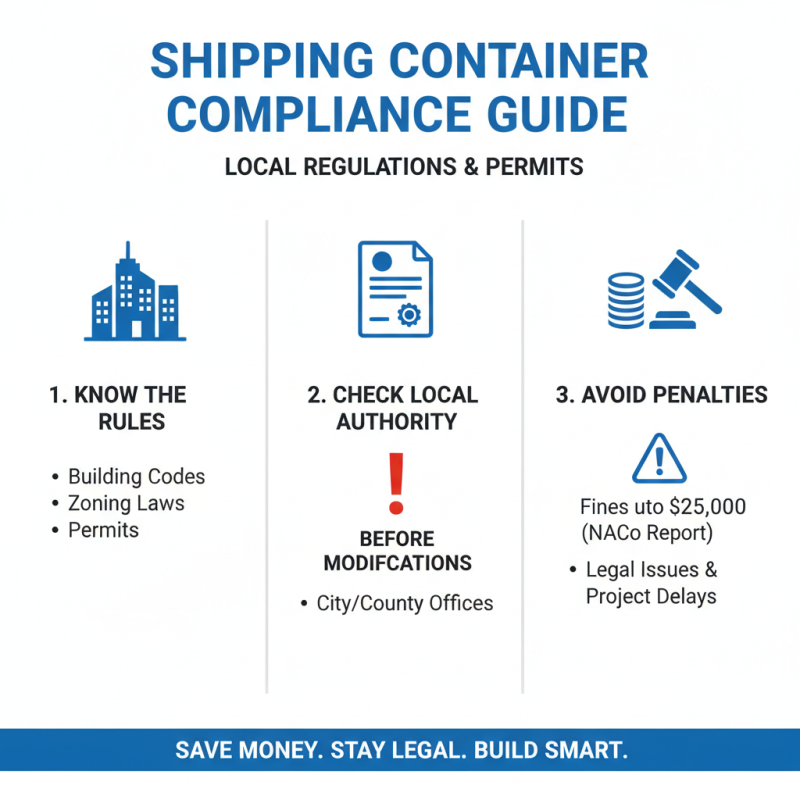
When using shipping containers, compliance with local regulations is crucial. Many cities have specific building codes, zoning laws, and permits related to container usage. For instance, a report from the National Association of Counties states that improper use can lead to fines up to $25,000. Before making any modifications, check with your local authority. This minimizes the risk of legal issues and ensures your project remains viable.
Each jurisdiction has different requirements for permits. Some areas may allow design flexibility, while others enforce strict size and aesthetic guidelines. A survey from the American Planning Association found that 65% of urban areas require permits for shipping containers despite their growing popularity in affordable housing solutions. Ensure that your containers meet these aesthetic standards and safety codes, providing necessary documentation.
Regular inspections are often mandated, especially if you're using containers for commercial purposes. Documentation of these inspections can safeguard against future liabilities. Communities are increasingly prioritizing safety and functionality in such projects. While it may seem cumbersome, following the correct protocols will reflect positively on your project, paving the way for future developments. Ignoring these regulations could jeopardize both your investment and community relations.