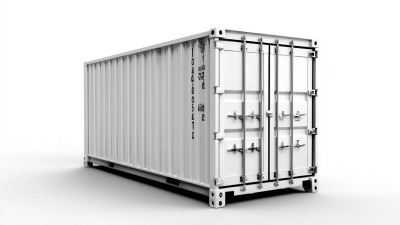
What is an Expandable Container and How Does it Transform Storage Solutions
In the ever-evolving landscape of logistics and supply chain management, the introduction of innovative storage solutions is paramount. Among these innovations, the "expandable container" has emerged as a game-changer, revolutionizing how goods are stored, transported, and managed. According to a recent report from Logistics Management, the global market for expandable containers is projected to grow by over 15% annually through 2025, reflecting the increasing demand for flexible and efficient storage options in various industries.
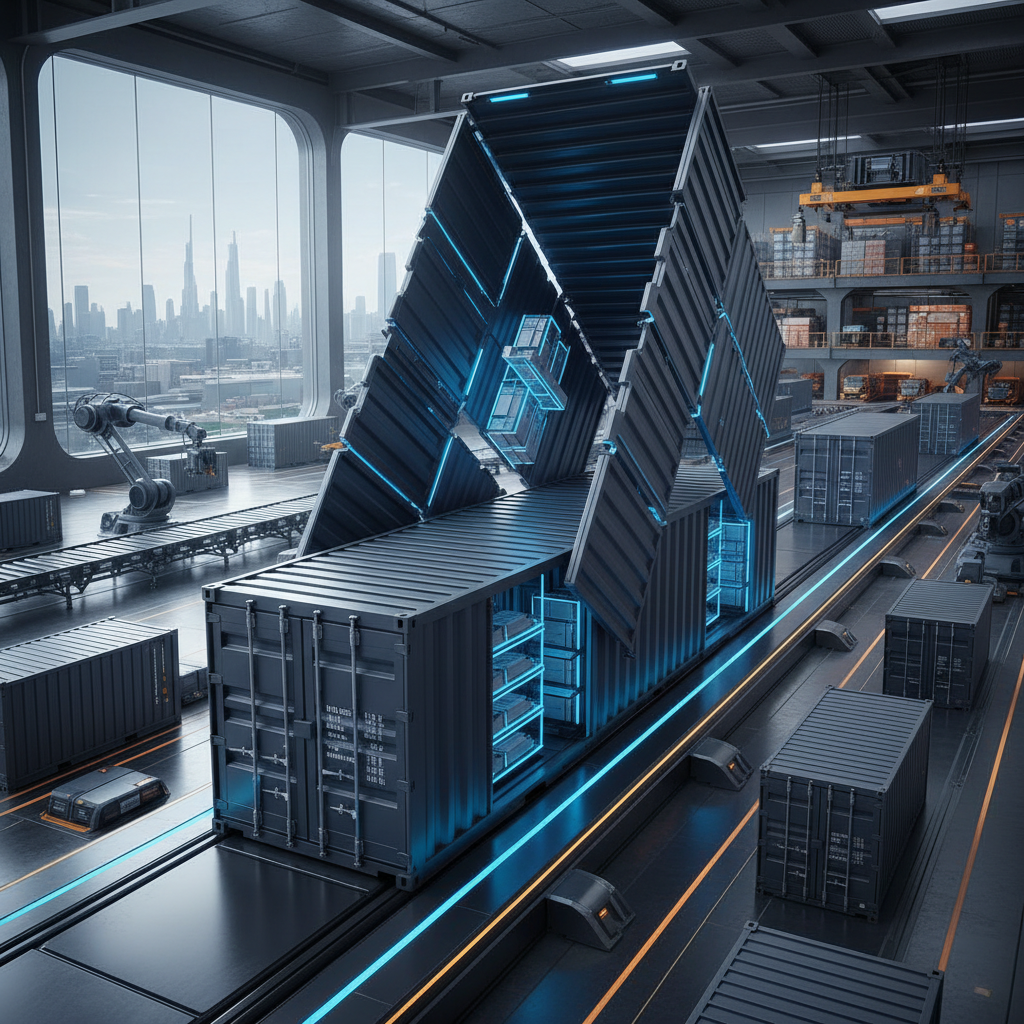 Expandable containers offer a versatile solution that meets the dynamic needs of businesses facing fluctuating inventory levels. By allowing for modular adjustments in size and capacity, these containers minimize wasted space and optimize transportation costs. A study by the International Warehouse Logistics Association indicates that firms utilizing expandable container solutions can reduce storage costs by as much as 30%, enhancing operational efficiency and driving profitability.
As industries continue to adapt to rapid market changes, the role of expandable containers in transforming storage solutions becomes increasingly critical, paving the way for smarter logistics and sustainable growth.
Understanding the Concept of Expandable Containers in Storage
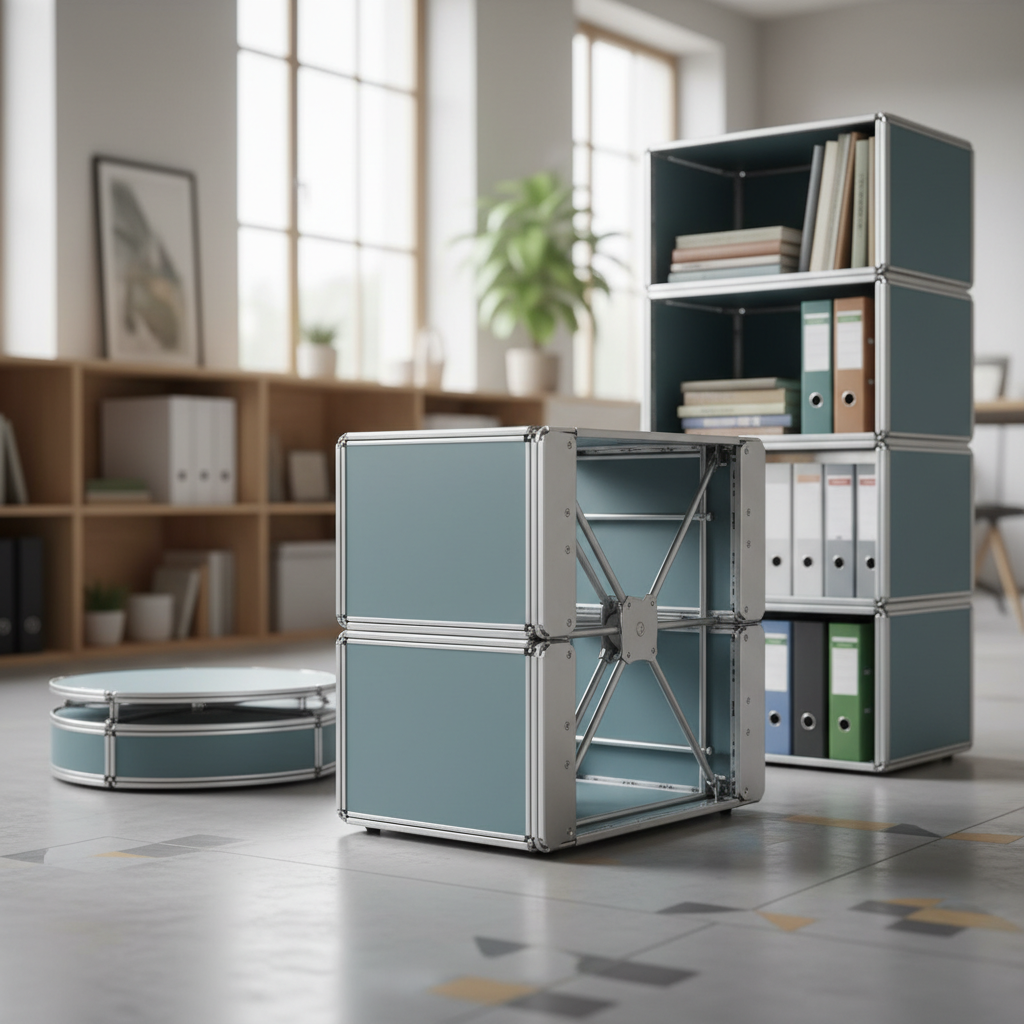
Expandable containers represent a revolutionary approach in the field of storage solutions, emphasizing versatility and efficiency. These innovative storage units are designed with the ability to change in size and shape, accommodating varying amounts of items based on the user's needs. This adaptability not only maximizes space but also allows for a more organized and easily accessible storage system. Whether used in a home, office, or even during transportation, expandable containers can adjust their dimensions, making them a practical choice for anyone looking to optimize their storage capabilities.
The concept of expandable containers stems from the need for functional yet flexible solutions in an increasingly dynamic environment. Traditional storage options often fall short, as they may not cater to changing demands or specific contexts. By contrast, expandable containers can be resized without compromising durability or functionality. They often include features such as collapsible designs or modular sections, allowing users to modify the container’s capacity as needed. Consequently, this innovative storage solution not only addresses the challenges of space management but also promotes an organized lifestyle by facilitating easy access to goods while efficiently managing available space.
Key Features of Expandable Containers That Enhance Flexibility
Expandable containers represent a revolutionary shift in storage solutions, providing unmatched flexibility and efficiency. One of their most significant features is the ability to adjust in size, accommodating varying volumes of goods. According to a recent report by MarketsandMarkets, the global market for expandable containers is projected to grow at a CAGR of 6.5%, demonstrating their increasing relevance in logistics and supply chain management. This adaptability makes them ideal for businesses that experience fluctuating inventory levels, allowing companies to optimize storage space without the need for costly expansions or modifications.
Another key benefit of expandable containers is their modular design, enabling easy assembly and disassembly. This feature not only facilitates transport but also enhances spatial efficiency in both warehouses and shipping environments. A study by Transparency Market Research highlights that companies implementing modular storage solutions can reduce operational costs by up to 20%. The versatility of expandable containers means they can be tailored to specific needs, from temporary construction sites to permanent storage facilities, thus transforming how businesses approach their storage challenges.
Comparative Analysis: Expandable Containers vs. Traditional Storage Solutions
Expandable containers are revolutionizing storage solutions by offering increased flexibility and efficiency compared to traditional storage methods. Their ability to adapt to varying space requirements and changing business needs allows organizations to optimize their storage capacity without the significant upfront investment associated with traditional solutions. This adaptability is particularly valuable in industries where data volume is rapidly growing, reflecting a projected global data storage market valued at $212 billion by 2025.
In contrasting expandable containers with conventional storage options, it becomes clear that the former provides enhanced scalability. With a compound annual growth rate (CAGR) predicted to exceed 19% for containerized data centers, businesses are increasingly recognizing the benefits of these modern storage solutions. Traditional systems often involve complex infrastructure and fixed capacity, leaving companies vulnerable to inefficiencies as their data needs evolve.
Tips: When considering storage solutions, evaluate the scalability factors to ensure that your choice can grow with your data demands. Additionally, keep an eye on market trends, as innovations in storage technology can significantly impact your strategic planning and investment decisions. Embracing new storage methodologies can ultimately provide a competitive edge in an increasingly data-driven world.
Innovative Applications of Expandable Containers Across Industries
Expandable containers are revolutionizing storage solutions across various industries by offering flexibility and efficiency. According to a report by Technavio, the global expandable container market is projected to grow by over 6% annually through 2025. This growth is fueled by the growing demand for optimized logistics and space-saving solutions in the retail and e-commerce sectors. Companies increasingly recognize the benefits of these containers, which allow for easy expansion and contraction based on storage needs, ultimately reducing shipping costs and maximizing warehouse space.
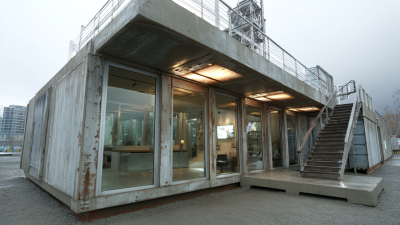
In the construction and agriculture sectors, expandable containers are also being utilized for their innovative applications. A study published by MarketsandMarkets indicates that the construction industry is leveraging modular expandable containers for on-site storage and mobile offices, improving workflow and reducing site congestion. Additionally, in agriculture, these containers serve as portable storage units for grains and equipment, facilitating better management of resources. With such varied applications, expandable containers are proving to be a game-changer in enhancing efficiency and adaptability across different industries.
Future Trends: The Evolution of Expandable Containers in Storage Technology
The evolution of expandable containers in storage technology is emblematic of the ongoing quest for efficiency and adaptability in a rapidly changing world. As urbanization increases and space becomes a premium in metropolitan areas, the ability to utilize storage solutions that can dynamically adjust to varying needs has gained immense importance. Modern expandable containers leverage innovative materials and designs to provide flexibility, allowing them to expand or contract based on the volume of goods being stored. This not only optimizes space consumption, but also facilitates easier access and organization.
Looking ahead, the trends in expandable container technology point towards integration with smart systems. With the advent of the Internet of Things (IoT), future containers may come equipped with sensors that monitor contents in real-time, informing users when to expand or contract based on usage patterns. Additionally, advancements in sustainable materials will likely play a crucial role, offering eco-friendly options that balance durability with environmental consciousness. As these technologies advance, expandable containers will not only transform storage solutions but also redefine our approach to space management and logistics in the years to come.