loader image

How to Purchase a Shipping Container in 2026?

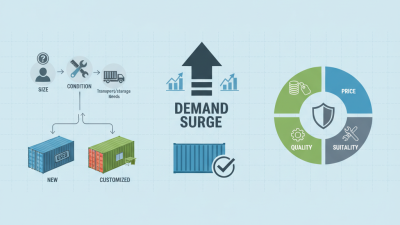
Buying a shipping container in 2026 can look simple: choose a size, compare prices, and arrange delivery. Yet the wrong unit may arrive with jammed doors, a damp plywood floor, or damage hidden behind fresh paint. Details matter. This guide explains how to purchase a shipping container with its intended use, condition, and delivery plan in view. A unit for garden storage may not suit cargo transport, and “wind and watertight” does not mean new.

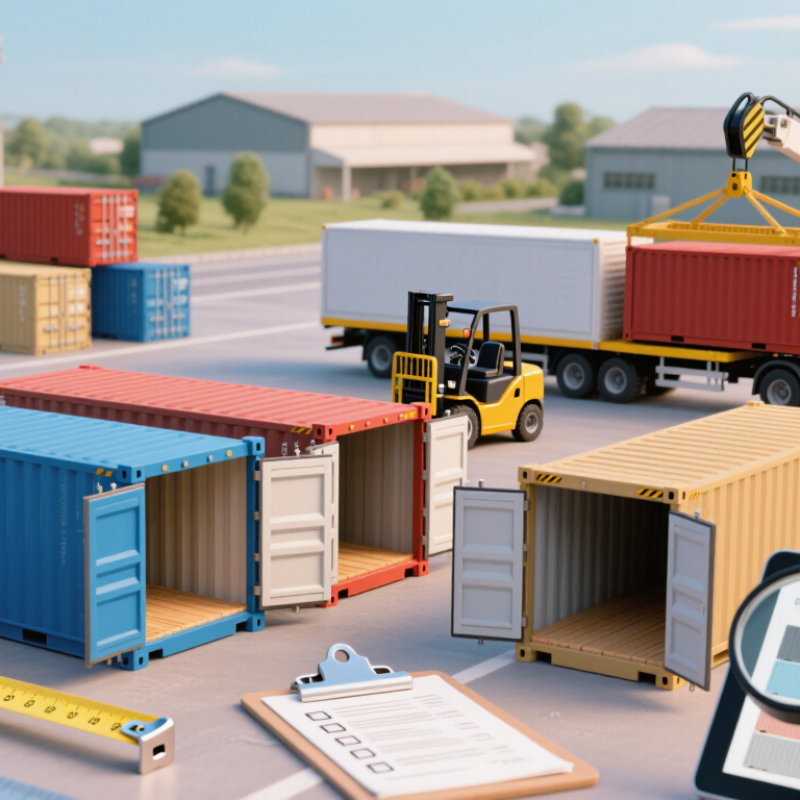
Before requesting quotes, list what the container must do: store tools, protect stock, or carry approved cargo. Measure the goods and the available site, including overhead clearance and the turning space needed by a delivery truck. Check the door opening, not just the container’s outside dimensions. Ask sellers for recent photos of the roof, floor, doors, and corner posts, plus a written description of any repairs or defects. A low price can be appealing. It can also leave out delivery, unloading, or site-access costs.

Compare quotes on the same basis, and confirm the container’s age, grade, and stated condition in writing. Ask who handles delivery and what equipment the driver needs. Confirm any site, planning, or transport requirements with relevant local authorities or qualified providers; these vary by location and use. No checklist catches everything, and buyers sometimes focus too heavily on the headline price. A careful inspection and clear paperwork cannot guarantee a perfect purchase, but they make surprises less likely.
How to Purchase a Shipping Container in 2026?

Define the Container’s Purpose, Size, and Condition Requirements

Start with the job the container must do. Dry storage, a small workshop, and a temporary site office have different needs. For boxed tools, a standard dry unit may be enough. A workbench or shelving can reduce usable floor space quickly. Measure the largest item and its route through the doors, not just the room it will occupy. Measure twice.

Choose a size using the container’s actual internal dimensions, which can vary by model and condition. Check door opening width and height, interior height, and floor length against your plans. Also consider where the container will sit. A long unit may fit the contents but leave too little room for delivery or door access. It is easy to focus on capacity and overlook the turning space required by the delivery vehicle.

Set a clear condition requirement before requesting quotes. A used unit described as wind- and watertight is not the same as a new one. Ask for current photos, exact measurements, and details of repairs. Inspect the roof for dents or standing water, the floor for soft spots, and the doors for smooth movement and intact seals. Surface rust may be manageable; weakened panels or a damaged frame need closer review. If you cannot inspect it in person, request close-up photos of these areas. Even then, photos can miss things, so leave room in your decision for uncertainty.

Compare New, Used, and Rental Options for Your Needs

How to Purchase a Shipping Container in 2026?
Compare New, Used, and Rental Options for Your Needs

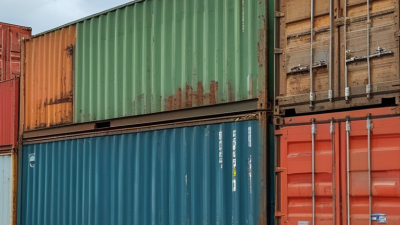
A new container suits frequent use, long storage periods, or custom modifications. You usually get cleaner floors, smoother doors, and fewer hidden repair issues, but pay more upfront. Check door alignment, roof rust, floor condition, and corner castings before committing. Paint can mislead. Ask for recent photos and a clear condition grade.

Used containers cost less and can work well for basic storage. Inspect one in person if possible; look for leaks, soft flooring, damaged seals, and doors that stick. UNCTAD’s Review of Maritime Transport 2024 reports 858.1 million TEUs in global container-port throughput for 2023, a 2.4% annual rise. That figure describes port activity, not local container availability, so check nearby stock and delivery costs. A low purchase price can lose its appeal after repairs and transport.

Renting makes sense for temporary projects or uncertain timelines. It avoids a large purchase, but monthly fees, minimum terms, delivery, pickup, and damage charges can add up. Compare the full cost over your expected use period, not just the advertised rate. Short stay? Rent. For multi-year use, buying may be cheaper, though resale value and maintenance are hard to predict. The comparison is rarely tidy; your site access and ground conditions matter, too.

How to Purchase a Shipping Container in 2026? — Compare New, Used, and Rental Options for Your Needs
Option Typical 20 ft Cost Typical 40 ft Cost Condition and Expected Use Best For Key Considerations
New / One-Trip Purchase Approximately $2,500–$4,500 Approximately $4,000–$7,000 Usually made overseas and shipped once before resale. Typically has less wear, cleaner interiors, and a longer remaining service life than older used units. Long-term storage, frequent access, or projects where appearance and condition matter. Confirm the container is suitable for the intended use and inspect for dents, leaks, door operation, and floor condition. “One-trip” does not mean the container has never been used.
Used — Cargo-Worthy Approximately $1,500–$3,000 Approximately $2,500–$4,500 Previously used and generally suitable for cargo transport when its condition and required inspection documentation are verified. Buyers who need a functional container and want to balance upfront cost with transport capability. Condition varies substantially. Check doors, seals, floor, frame, roof, and any inspection or certification requirements for planned shipping.
Used — Wind and Watertight Approximately $1,200–$2,500 Approximately $2,000–$4,000 Generally intended to keep out ordinary wind and rain, but may have more cosmetic wear and may not qualify for cargo transport. Stationary storage where a lower purchase price is more important than appearance or shipping eligibility. Ask the seller to define the condition grade and verify that the unit is dry and secure. Do not assume it is cargo-worthy.
Rental Approximately $75–$150 per month Approximately $100–$200 per month Rates depend on location, container condition, rental term, and availability. Rental units are commonly used for temporary storage. Short-term projects, seasonal storage, or situations where avoiding a large upfront purchase is useful. Check minimum rental periods, delivery and pickup fees, damage terms, and whether the rental company permits modifications.
Delivery and Site Costs Often quoted separately; delivery may cost several hundred dollars or more, depending on distance and access. Prices above are indicative U.S. planning ranges for standard dry containers in 2026, in U.S. dollars. They exclude delivery, taxes, site preparation, permits, and optional modifications. Local quotes can differ considerably. Confirm the final delivered price, unloading method, site access, and level, stable placement area before ordering.

Verify the Seller, Container Condition, and Full Purchase Costs

Buying a shipping container in 2026 starts with checking who is selling it. Ask for the seller’s legal business details, a written quote, and clear terms for payment, delivery, and refunds. Confirm that the container number on the paperwork matches the number on the unit. If possible, request recent photos or inspect it in person. A quick video call can help, but it is not a substitute for seeing the container’s condition.

Look closely at the roof, corner posts, doors, seals, and floor. Rust stains, daylight around closed doors, or soft floor sections may signal costly repairs. Ask whether the container is wind- and watertight, and request an independent inspection if the description seems vague. “Good condition” can mean different things. That is easy to overlook. A written condition report makes disagreements less likely, though it cannot reveal every hidden issue.

Compare the full delivered cost, not just the advertised price. Request separate amounts for the container, transport, unloading equipment, site preparation, taxes, and any inspection fee. Check whether a narrow driveway, overhead wires, or soft ground could require a different delivery plan. Confirm who is responsible if the truck cannot place the container as planned. A low quote may leave out a crane or other access costs. It is worth asking twice, even if that feels awkward.

Plan Delivery, Site Access, Unloading, and Local Permits

When buying a shipping container in 2026, plan the delivery before choosing its final spot. Measure the entrance, gate width, turning area, and overhead clearance along the full truck route. A low branch or parked car can stop a delivery even when the container pad looks accessible. Ask the hauler what truck type and unloading method they expect to use. A tilt-bed truck needs clear space to lower the container; a crane needs room to set up and reach the placement point.

Tips: Photograph the route and send the images to the hauler. Check for soft soil, slopes, drains, and overhead wires. Small details matter. Confirm how the container will be unloaded, and keep the area clear on delivery day.

Prepare a firm, level base before the truck arrives. Gravel or concrete supports may work, depending on the ground and intended use; confirm the requirements with a qualified local professional. Check permit rules with your local planning or building office, since requirements can vary by location and placement. Ask about setback limits, screening, and temporary-use rules if relevant. I would not rely on a quick sketch alone; it can miss a tight turn or a hidden utility cover. Recheck measurements on site, and leave enough room to open the container doors fully.

Complete Payment and Check the Container After Delivery

Before sending the final payment, compare the invoice with your written order. Check the container size, condition, delivery charge, and any agreed repairs. Follow the payment schedule in your contract, and keep receipts and messages in one place. If a detail has changed, ask for written clarification before paying. Keep records.

When the container arrives, photograph it before unloading equipment or moving stored items inside. Take wide shots of each side, then close-ups of dents, rust, holes, and damaged hinges. Open and close both doors; check that the locking bars move smoothly. Look inside for daylight through the walls or roof, standing water, and unusual odors. Check the floor for soft spots or obvious damage.

Compare your photos with the condition promised in the order. Note any problems on the delivery paperwork, if available, and contact the seller promptly with clear photos. Keep the container accessible until you understand the next steps. A quick glance can miss a small roof leak, so inspect carefully, even in good weather. No checklist catches everything. I would allow time for a second look, because rushing this part can make a minor concern harder to document.

Go to Top