China Best Shipping Container Suppliers How to Choose?
Choosing among China’s best shipping container suppliers requires more than comparing catalog prices. A container may look identical online, yet differ in steel thickness, floor condition, door alignment, and weather resistance. A practical decision begins with the intended use, required dimensions, condition grade, and delivery destination. New, one-trip, refurbished, and used units serve different needs. The cheapest option is rarely the safest choice.
Malcolm McLean, the transportation pioneer credited with popularizing containerization, once said, “The idea was not to load and unload the cargo, but to load and unload the container.” His insight still matters. Reliable suppliers should explain how their shipping container is manufactured, inspected, painted, and prepared for transport. Ask for factory photographs, production records, material details, and recent inspection reports. Confirm compliance with applicable standards, including ISO requirements and CSC certification when international transport is involved. Details matter.
Look closely at weld seams, corner castings, locking bars, door gaskets, and floor repairs. Request a sample unit or independent inspection when the order is large. A trustworthy supplier should provide clear specifications, realistic lead times, transparent freight costs, and responsive after-sales support. Verify the company’s business history and export experience. Do not rely on polished images alone. They can mislead.
Even a careful checklist has limits. Paint can hide corrosion, and shipping delays can change the final cost. That is why written contracts, inspection photos, and payment safeguards deserve attention. The right supplier is not merely a low-cost factory. It is a dependable partner that communicates clearly and accepts responsibility when small problems appear. Small problems become expensive quickly.
## What to Know About China’s Shipping Container Supplier Market
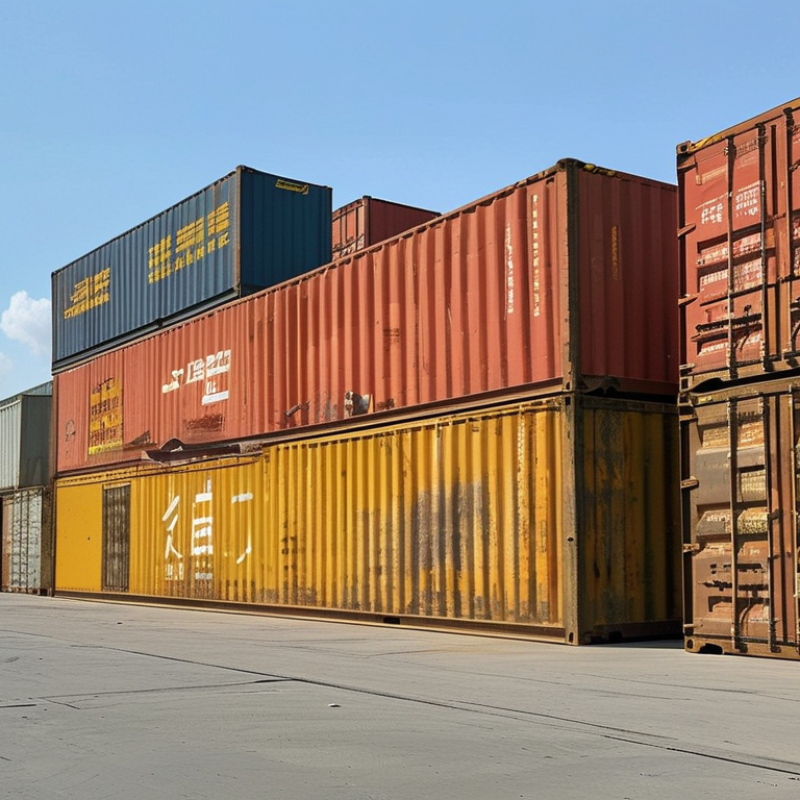
China’s shipping container supplier market is large, export-oriented, and highly competitive. UNCTAD’s Review of Maritime Transport 2024 reported that global maritime trade grew by 2.4% in 2023. This demand supports steady container production in China. However, a low quotation does not always mean better value. Buyers should examine steel grade, floor treatment, welding quality, door alignment, and water-tightness.
A reliable supplier should provide inspection records, production photos, and clear container specifications. Ask for the manufacturing date, cargo-worthy standard, paint system, and estimated service life. Container xChange’s market analysis shows that used-container prices and availability can change sharply by location and season. Therefore, compare delivered cost, not only factory price. Freight, inland transport, port charges, and storage may alter the final budget.
Details matter. A properly fitted door should close smoothly without force. The floor should feel firm under repeated loading. Small rust spots are manageable; corrosion around corner castings deserves closer review. Independent inspection is useful, although it adds time and cost. I have seen buyers focus too heavily on photographs. That is risky. Images can hide warped panels, repaired frames, or moisture damage. Supplier evaluation should also include response speed, documentation accuracy, complaint handling, and replacement procedures. Some checks are easy to skip. They should not be.
## How to Evaluate Supplier Quality and Manufacturing Standards
Choosing a shipping container supplier requires more than comparing prices.
A practical evaluation starts at the factory floor. Inspect welding lines, corner castings, door seals, and floor panels in person. Uneven weld beads often reveal rushed production. Check steel grade certificates against the material actually used. Ask whether batch records are traceable. Small gaps matter.
Manufacturing standards should be visible in daily procedures, not only in polished documents.
Request drawings, dimensional tolerances, coating specifications, and testing records. Measure coating thickness at several points, especially beneath the frame and around door hinges. Review load, leakage, and door-cycle tests with dated evidence. Independent inspections can verify these claims before shipment. One report is not enough. Standards may vary by intended use and destination, so confirm applicable requirements with qualified professionals.
Supplier reliability also depends on corrective action.
Ask for examples of defects, root-cause analysis, and replacement procedures. A mature factory will discuss failures without hiding them. That is a useful sign. During a trial order, compare delivered dimensions with approved drawings. Photograph scratches, weld spatter, and warped doors before acceptance. I would not treat a clean sample as proof of consistent quality. Production pressure can change results. Keep written inspection criteria, agreed tolerances, and payment milestones in the contract. Clear records protect both sides and make quality easier to challenge.
## How to Verify Supplier Reliability Before Ordering
Before ordering a shipping container from China, verify the supplier beyond its website. Not enough. Request the registered company name, business address, export history, and contact details. Match these details across the quotation, bank information, and sales contract. A reliable supplier should answer specific questions about steel grade, corner castings, floor treatment, door seals, and coating thickness. Vague replies deserve caution.
Ask for recent customer references from markets with similar climate and transport conditions. Contact those customers independently, rather than using only testimonials provided by the supplier. Request a live factory video call. The camera should show production areas, container numbers, welding work, and quality-control records. Timestamped photos can help, but they are not conclusive evidence. A polished presentation may hide limited capacity.
Before full production, approve a written specification and request a pre-shipment inspection by an independent agency. Check dimensions, door operation, weld quality, corrosion, flooring, and markings against the contract. Use payment terms that connect the final balance to inspection results and shipping documents. Keep every change in writing. I have learned that small wording differences can create expensive disputes. One weakness remains: a remote audit cannot reveal everything. For larger orders, a local inspector or physical factory visit is safer. Suppliers should also provide clear warranty procedures, replacement responsibilities, and realistic delivery dates. Unrealistic promises are useful warnings.
China Best Shipping Container Suppliers: How to Choose?
How to Verify Supplier Reliability Before Ordering
This practical verification model gives the highest priority to checks that directly reduce payment, quality, delivery, and compliance risks. Buyers should verify each item with independent documents, official registries, third-party inspections, and written contract terms before placing an order. The scores are decision-making weights, not company or brand performance data.