What Is PU Stone Wall Panel and Where Can It Be Used?
PU Stone Wall Panel is changing how designers create a stone appearance without handling heavy masonry. It combines a polyurethane core with a textured surface that imitates natural stone, brick, or slate. The result feels lighter, installs faster, and usually requires fewer structural modifications.
Markus Keller, a building-envelope consultant with experience in lightweight cladding, explains: “A convincing stone finish must resist weather, impact, and installation errors.” That practical warning matters. PU Stone Wall Panel is not a miracle material. Its performance depends on the panel formulation, surface coating, adhesive system, and wall preparation. A beautiful sample can still fail on a damp or uneven substrate.
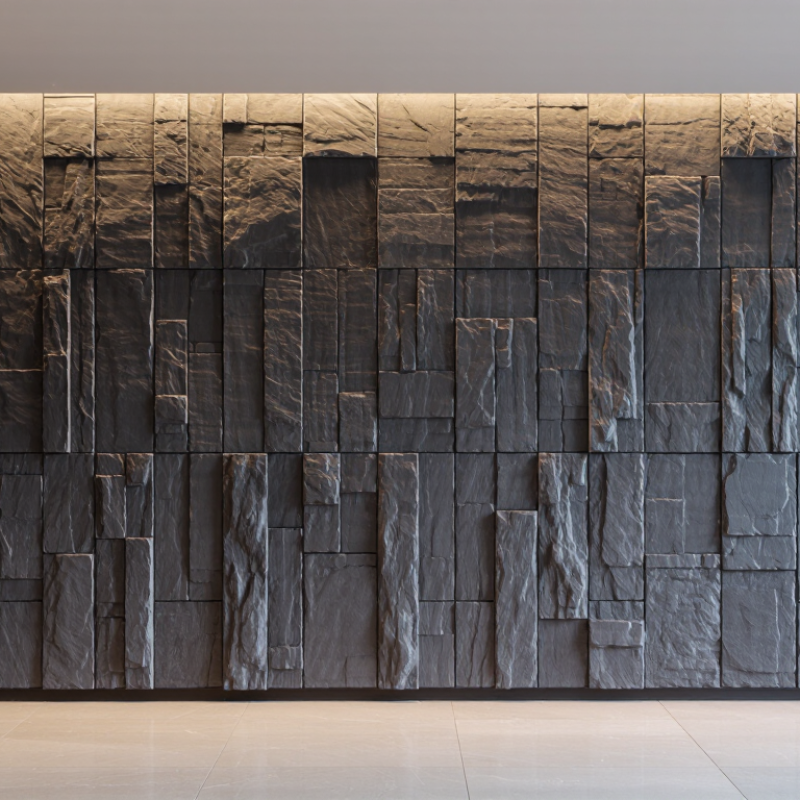
These panels can be used on interior feature walls, living rooms, hotel receptions, retail displays, restaurants, and selected exterior façades. They can also refresh fireplaces, garden rooms, entryways, and commercial renovation projects. Imagine a lobby wall with deep grey ledges, subtle shadows, and concealed lighting between panels. The visual effect can be dramatic.
Yet, installation conditions must be checked carefully. Exterior use requires suitable UV resistance, moisture protection, fastening methods, and local fire-performance documentation. Bathrooms and humid areas need extra attention around joints. Not every product suits every climate.
This guide examines what PU Stone Wall Panel means, how it is made, and where it performs best. It also considers its weaknesses, because overlooking them creates expensive surprises. The material offers flexibility, but responsible selection still requires technical judgment and realistic expectations.
What Is PU Stone Wall Panel?
What Is PU Stone Wall Panel?
A PU stone wall panel is a lightweight decorative panel made from polyurethane foam. Its molded surface imitates stone, brick, slate, or concrete. It is not solid masonry. The core reduces weight, while the textured coating creates a realistic visual layer. Many panels include interlocking edges, which can simplify installation on interior walls and selected sheltered exterior surfaces.
The U.S. Department of Energy reports that buildings use about 40% of total U.S. energy. This explains interest in materials that combine appearance with insulation. Closed-cell polyurethane products commonly provide around R-6 to R-7 per inch, according to DOE insulation guidance. However, a decorative panel should not be treated as a complete insulation system. Actual performance depends on thickness, joints, moisture control, and the supporting wall.
Tips: Check the technical sheet before ordering. Confirm density, fire-test classification, water resistance, and temperature limits. ASTM E84 testing may help evaluate surface flame-spread behavior, but one test result does not guarantee every installation. Use PU stone panels for feature walls, hotel interiors, retail displays, office reception areas, and protected outdoor zones. Bathrooms need careful sealing. Direct sunlight may also change some finishes over time. I have found that sample boards can look convincing, yet corners and seams sometimes reveal the panel’s artificial character. Proper layout matters more than expected.
How PU Stone Wall Panels Are Made and Designed
PU stone wall panels are lightweight decorative panels made to resemble stacked stone, brick, or cut rock. Their structure usually combines a molded polyurethane backing with a textured mineral surface. Some designs add pigments, protective coatings, or reinforced mesh. The manufacturing process starts with a detailed mold. Liquid polyurethane expands inside it, capturing sharp edges, mortar lines, and irregular stone textures. After curing, technicians trim the panel, inspect its surface, and apply color layers by hand or controlled spraying.
Details matter. A convincing panel needs varied tones, recessed joints, and slight surface imperfections. Perfect repetition looks artificial. Designers may use darker pigments inside grooves and lighter tones on raised edges, creating a more natural depth under indoor lighting. Panel thickness, density, fastening points, and joint placement also affect installation quality. Fire performance should be verified through appropriate testing, such as ASTM E84, because decorative appearance cannot replace safety evidence.
Energy performance deserves careful thought. The United Nations Environment Programme reported that buildings and construction produced about 37% of global energy-related emissions in 2022. PU panels may support quicker installation and limited material use, but they are not automatically insulation systems. The U.S. Department of Energy also identifies buildings as major energy consumers, making wall assembly design more important than surface decoration alone. Panels can suit feature walls, hospitality interiors, retail spaces, ceilings, and selected exterior applications. Moisture exposure, ultraviolet radiation, impact risk, and local fire requirements must be checked first. They are practical, but not maintenance-free.
What Is a PU Stone Wall Panel and Where Can It Be Used?
PU stone wall panels combine a decorative stone-textured surface with a rigid polyurethane foam core. The chart compares representative thermal conductivity values of common wall materials. Lower values indicate better insulation performance.
Typical applications include exterior façades, interior feature walls, commercial spaces, renovation projects, and lightweight decorative cladding. Actual performance depends on panel thickness, joints, surface finishes, installation quality, moisture exposure, and local fire regulations. Values shown are representative engineering values in W/m·K and may vary by product specification.
Key Features and Benefits of PU Stone Wall Panels
PU stone wall panels are decorative sheets made from rigid polyurethane foam and a textured mineral or polymer surface. They imitate slate, brick, or split stone without the weight of traditional masonry. Most panels include interlocking edges, which reduce visible joints and speed up installation. Lightweight, but not fragile.
The International Energy Agency reported that buildings consumed about 30% of global final energy in 2022. This figure explains the interest in lighter envelope materials and better wall systems. However, PU stone panels should not be treated as complete insulation by themselves. Their thermal performance depends on panel thickness, joints, backing walls, and installation quality. A professional installer should check the declared thermal resistance and follow local fire-testing requirements. Fire performance varies significantly between products.
These panels suit interior feature walls, reception areas, restaurants, retail displays, and selected exterior façades. They work well around columns, fireplaces, and entry walls where real stone is difficult to transport. A standard panel can be cut with ordinary woodworking tools, creating less dust than masonry work. That practical advantage matters during occupied renovations. Still, rushed cutting can expose seams. Moisture, sunlight, and impact may also reduce long-term appearance. The U.S. Department of Energy recommends evaluating the whole wall assembly, not one material alone. I would request test data for water absorption, dimensional stability, flame spread, and adhesion before specifying PU stone panels. The visual result can be convincing, but it is not structural stone.
Common Applications for PU Stone Wall Panels
PU stone wall panels are lightweight decorative panels made from polyurethane foam with a textured stone finish. They imitate masonry without the weight, dust, or structural demand of natural stone. Their surfaces can resemble slate, stacked stone, brick, or rough-cut rock.
Common applications include living-room feature walls, fireplace surrounds, reception areas, and restaurant interiors. A panel behind a sofa can add depth without reducing much floor space. In bedrooms, muted gray or warm sandstone patterns create a calmer visual background. Retail stores also use them around counters or display niches, where fast installation matters.
Outdoor use requires more care. Suitable panels may work on sheltered façades, covered patios, garden walls, and balcony accents. They should not be treated as a universal replacement for exterior cladding. Check water resistance, ultraviolet stability, temperature limits, and local fire requirements before installation. In damp rooms, such as bathrooms, sealed joints and proper ventilation are essential. Direct shower exposure may still be unsuitable.
Installers usually cut panels with basic tools and fix them over a clean, stable surface. Uneven walls can show through, especially under strong side lighting. That detail is easy to miss. I would test one panel first, because color and texture often look different under home lighting. Keep expansion gaps where the installation guide requires them, and never cover electrical access points.
Installation, Maintenance, and Selection Considerations
PU stone wall panels combine a molded polyurethane core with a textured surface that imitates masonry. They suit feature walls, reception areas, restaurants, bedrooms, and covered outdoor spaces. Installation starts with a clean, dry, and reasonably level substrate. Measure twice. Cut once. Use an adhesive approved for polyurethane, then add mechanical fasteners where the manufacturer or local code requires them. Seal exposed joints around windows and corners carefully. Small gaps can collect dust and moisture.
The U.S. Energy Information Administration’s 2020 Residential Energy Consumption Survey reports that space heating represents about 42% of household energy use. However, decorative PU panels should not be treated as a replacement for tested insulation. Their visual warmth is not the same as thermal performance. Selection should include panel thickness, density, moisture resistance, UV stability, fire classification, and installation requirements. NFPA reported 344,600 home structure fires in the United States during 2023, so buyers should request fire-test documentation and confirm the complete wall assembly meets local rules. A surface rating alone may not protect the entire system.
Maintenance is simple but not careless. Wipe panels with a soft cloth, mild soap, and limited water. Avoid abrasive pads, harsh solvents, and pressure washing. Inspect seams twice a year, especially in humid rooms. Watch for lifting edges, cracked sealant, or color changes near windows. A rushed installation may look convincing on day one. That is the trap. In practice, I would test one spare panel with the proposed cleaner and lighting before covering an entire wall.


