What is a Shipping Container Building and Why Choose One?
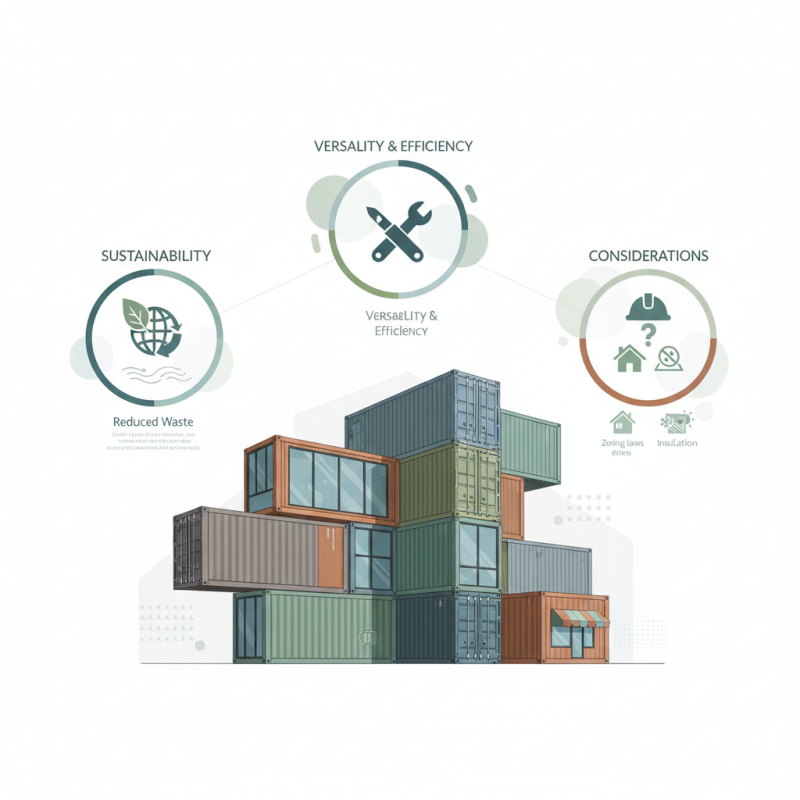
Shipping container buildings have gained popularity in recent years. These innovative structures offer a blend of sustainability and versatility. They transform repurposed containers into functional living and working spaces. This approach reduces waste and promotes eco-friendly construction practices.
The appeal of shipping container buildings lies in their efficiency and cost-effectiveness. They can be customized to fit various styles and needs. Whether for homes, offices, or pop-up shops, these buildings adapt well to different environments. However, potential buyers should consider zoning laws and insulation challenges.
While the idea of living in a shipping container is exciting, it’s important to reflect on potential drawbacks. Limited space can be an issue for some. Additionally, the initial construction process requires careful planning and expertise. Weighing these factors is crucial before committing to such a unique building option.
What is a Shipping Container Building?
Shipping container buildings represent a unique solution in modern architecture. Made from industrial shipping containers, these structures can be repurposed for various uses. According to a report by the World Bank, around 97 million shipping containers are in global circulation, with many going unused or discarded. This availability makes them an appealing option for those looking to construct sustainable buildings.
An intriguing aspect of shipping container buildings is their adaptability. They can serve as homes, offices, or even schools. The average cost to convert a shipping container into a livable space ranges from $10,000 to $35,000, significantly lowering traditional building expenses. However, the process can raise concerns about insulation and structural integrity. It requires careful planning and expertise to address these issues effectively.
Moreover, the environmental impact of using shipping containers is noteworthy. Each container reused for construction helps to divert waste from landfills. However, it's crucial to ensure they meet safety standards, as some may have been treated with harmful chemicals. Responsible sourcing and renovations are vital for creating a safe living environment. As the popularity of shipping container buildings grows, ongoing research and development in this field will help enhance their safety and functionality.
The Origins and Evolution of Shipping Container Architecture
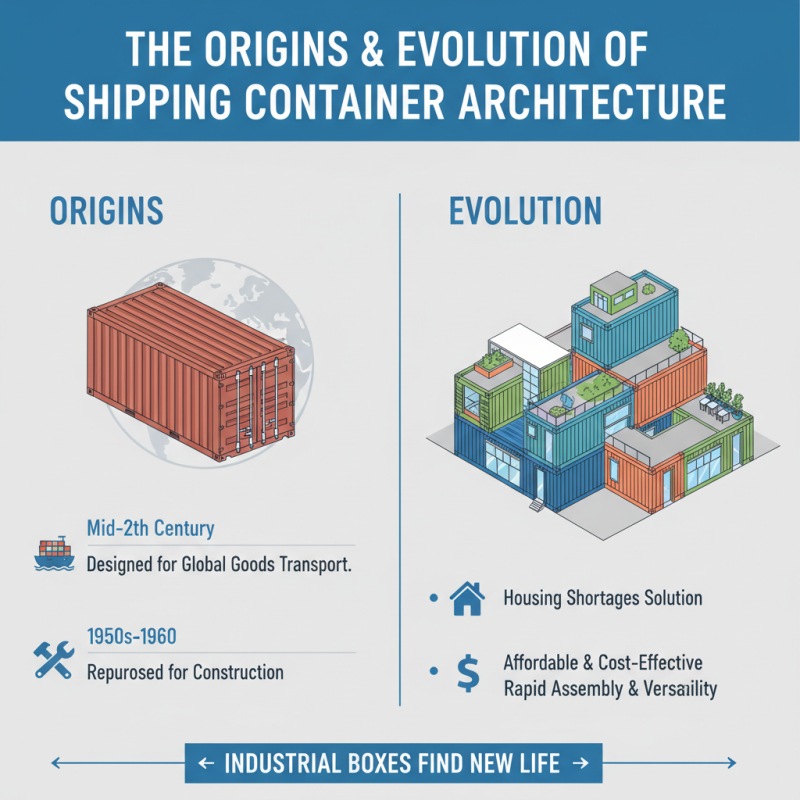
Shipping container architecture has unique origins, tracing back to the mid-20th century. Originally designed for transporting goods, these industrial boxes found a new life in construction. As cities faced housing shortages, architects began repurposing containers into living spaces. This shift highlighted the versatility of containers. They were affordable and often quick to assemble, appealing to both developers and homeowners.
Over the years, container architecture has evolved significantly. From minimalist designs to multi-story complexes, the creativity in these structures is impressive. However, there are challenges. Insulation and structural stability can be issues. Each project requires careful planning and expertise to address these concerns. Yet, many see the potential in these unconventional builds. They offer eco-friendly options and use recycled materials, which is attractive in today’s climate-conscious market.
This architectural trend poses important questions. Is it suitable for everyone? Can it meet diverse needs? As this style continues to grow, we must evaluate its effectiveness as a housing solution. The balance between innovation and practicality remains a topic of discussion. Ultimately, the journey of shipping container buildings reflects adaptability in architecture and the ongoing quest for sustainable solutions.
Key Advantages of Using Shipping Containers for Construction
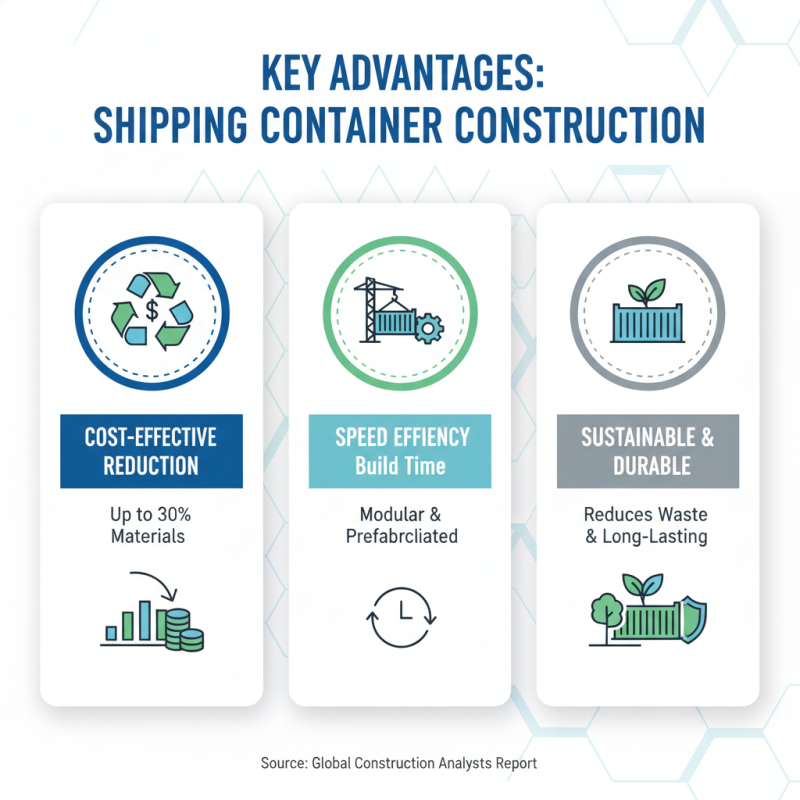
Shipping container buildings have gained popularity in recent years, and for good reasons. These structures offer unique advantages over traditional building methods. According to a report by global construction analysts, the use of shipping containers can reduce construction costs by up to 30%. This cost-effectiveness arises largely from the recycling of existing materials, minimizing the need for fresh resources.
Flexibility is another key benefit. Shipping containers can be easily modified. They can be stacked, combined, or adapted to create diverse configurations. This adaptability is attractive for businesses looking for unique office spaces or innovative housing solutions. The ability to transport these units with relative ease can also cater to remote locations. Yet, one must be cautious about local zoning laws and site-specific challenges that may arise.
Environmentally, these structures are appealing. Utilizing shipping containers for construction means repurposing otherwise discarded materials. This approach aligns with the growing trend of sustainable building practices. However, it is essential to reflect on potential insulation issues. Proper insulation is necessary for comfort and energy efficiency, which might require additional investment.
Common Applications of Shipping Container Buildings
Shipping container buildings have surged in popularity for various applications, reflecting their versatility and efficiency. According to a report by Allied Market Research, the global market for modular construction, which includes container buildings, is expected to reach $157.1 billion by 2025. This growth is fueled by the need for quick, sustainable, and cost-effective building solutions.
One common application of shipping container buildings is in residential housing. They provide an affordable alternative for many. A standard 40-foot container can offer around 320 square feet of living space. Architects often combine multiple units to create spacious and unique homes. This modular approach can cut construction time by 50% compared to traditional methods. Additionally, sustainability metrics show that using recycled containers can reduce construction waste by up to 30%.
Shipping container offices are becoming another popular choice. Many startups and small businesses are adopting this trend. These offices can be easily relocated, allowing flexibility. Reports indicate that container offices can save businesses an average of 20% on construction costs. However, it’s essential to note that proper insulation and ventilation are crucial. Without these, temperature control can become a significant challenge, possibly affecting comfort and productivity.
Sustainability and Environmental Impact of Container Construction
Shipping container buildings are growing in popularity due to their sustainability and minimal environmental impact. A standard shipping container can be repurposed to create a functional space with less energy consumption. According to a report by the World Economic Forum, the construction industry accounts for roughly 39% of global carbon emissions, highlighting the urgent need for eco-friendly alternatives.
Containers are durable and resilient. They require significantly fewer new materials, reducing the demand for resources. The use of repurposed containers can reduce waste. In addition, container construction often results in a 10% to 15% lower carbon footprint compared to traditional building methods. This is a compelling reason to consider shipping containers as a viable building option.
Tip: Consider local regulations before choosing a shipping container as a building. Not all areas allow container buildings, impacting your project’s feasibility.
While shipping container buildings offer many benefits, it’s essential to address challenges. Proper insulation is crucial, as containers can heat up quickly. This may require a balance between aesthetics and sustainability. Each project may present unique challenges, which need careful planning to overcome.
Sustainability and Environmental Impact of Container Construction