China Top 10 Cargo Container Manufacturers for Global Buyers
Buying a cargo container from China requires more than comparing factory prices. Global buyers must examine steel quality, welding accuracy, corrosion protection, door performance, and delivery records. A low quotation can hide weak floors, uneven sealing, or expensive repairs after arrival.
Malcolm McLean, the pioneer of modern container shipping, is often credited with saying, “I thought there had to be a better way.” That practical mindset still matters today. A reliable cargo container should protect goods during lifting, stacking, ocean transport, and changing weather. It should also meet applicable international safety and manufacturing requirements.
This guide introduces China’s top ten cargo container manufacturers for global buyers. The selection considers production capability, export experience, product consistency, customization options, factory quality systems, and after-sales support. It also considers whether manufacturers can provide clear specifications, inspection documents, and traceable communication. These details matter when containers travel thousands of kilometers before reaching a warehouse or port.
No ranking is perfect. Buyer needs differ. A shipping line may prioritize fleet durability, while a construction company may need modified units, side doors, or insulated panels. Some manufacturers look impressive online but offer limited technical support. That deserves attention.
The comparison therefore focuses on practical evidence, not promotional language alone. Readers should still verify current certifications, sample quality, contract terms, and shipping arrangements before purchase. A careful decision begins with the container’s intended use, not only its advertised price.
China’s Cargo Container Manufacturing Industry and Global Market Role
China Top 10 Cargo Container Manufacturers for Global Buyers
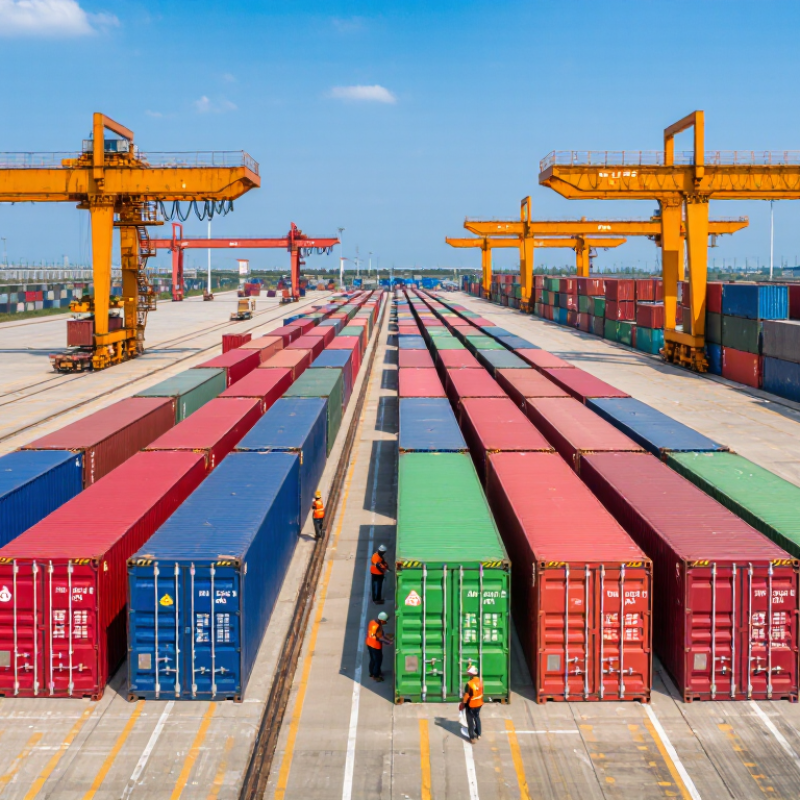
China’s cargo container manufacturing industry supports global trade through large-scale production, skilled welding, and integrated supply chains. Manufacturers serve shipping lines, logistics companies, leasing firms, and industrial users across many regions. Their products include dry cargo containers, refrigerated units, open-top designs, and customized equipment containers.
Production quality depends on more than steel thickness. Experienced buyers examine weld consistency, door sealing, floor strength, coating performance, and dimensional accuracy. Factories also need reliable testing records and documentation for international container standards. China’s ports, steel suppliers, and transport networks strengthen its global market role. Still, no factory is perfect. Delays, coating flaws, or inconsistent communication can appear during busy seasons. A careful supplier review remains essential.
Tips: Request recent inspection reports, material certificates, and production photos. Confirm container specifications before signing. Check loading plans, delivery terms, and after-sales responsibilities in writing. Independent inspections can reveal problems early. It costs more, sometimes. But rushed purchasing creates greater expenses later.
Key Criteria for Ranking China’s Top Container Manufacturers
China Top 10 Cargo Container Manufacturers for Global Buyers
Ranking China’s top cargo container manufacturers requires more than comparing factory size or export volume. Maritime transport carries over 80% of global trade by volume, according to UNCTAD’s Review of Maritime Transport 2023. A weak container can disrupt port handling, inland transport, and delivery schedules. Quality is measurable. Buyers should examine compliance with ISO 668, ISO 1496, and the International Convention for Safe Containers. Independent inspection records, weld testing, coating thickness, and steel traceability deserve serious attention.
Production capacity matters, but consistency matters more. A credible manufacturer should show stable monthly output, documented quality-control procedures, and realistic lead times. The World Bank’s Logistics Performance Index 2023 assessed logistics performance across 139 economies, highlighting customs, infrastructure, shipment quality, and timeliness. These factors should shape supplier evaluation. Check how containers perform in humid ports, repeated rail handling, and uneven yard surfaces. Photographs are not enough. Request inspection reports and sample test results.
Price remains important, yet the cheapest offer may conceal thinner materials, weaker flooring, or limited after-sales support. Buyers should compare total ownership cost, repair response, spare-part availability, and warranty terms. No ranking is perfect. Export data can reflect trading volume, not manufacturing quality. Some factories also rely heavily on subcontracting, which complicates accountability. A careful ranking combines audited evidence, user experience, technical expertise, and transparent documentation rather than attractive promises.
Profiles of the Top 10 Cargo Container Manufacturers in China
China’s cargo container manufacturing base remains central to global logistics. Drewry’s Container Census 2024 estimated that Chinese factories supplied more than 95% of new dry freight containers in recent years. The report also placed the global container equipment fleet above 50 million TEU. These figures explain why global buyers examine factory capacity, inspection systems, and delivery reliability together.
The ten profiles focus on different strengths. Several manufacturers specialize in standard 20-foot and 40-foot dry containers, using corten steel, automated welding, and marine-grade flooring. Others concentrate on refrigerated units with digital temperature monitoring. One profile emphasizes tank containers for approved industrial liquids, while another focuses on open-top and flat-rack designs for machinery. Additional profiles examine insulated units, offshore containers, custom cargo boxes, and repair programs. Each profile considers production scale, certification coverage, quality-control stages, and export experience. Capacity alone is not enough.
UNCTAD’s Review of Maritime Transport 2024 reported continued growth in seaborne trade, although disruptions have increased route uncertainty and equipment pressure. Buyers should therefore check steel traceability, weld testing, coating thickness, and spare-part access before signing contracts. Factory visits can reveal practical details, such as uneven door seals or hurried paint repairs. These small defects matter. A ranking can also be imperfect, because public production data is limited and factory performance changes by season. This requires careful verification, not blind trust.
Container Types, Customization Options, and Quality Standards
China Top 10 Cargo Container Manufacturers for Global Buyers
Cargo needs determine the right container type.
Standard dry containers suit boxed goods, machinery, and palletized products. Refrigerated containers protect temperature-sensitive cargo through insulated walls and powered cooling systems. Open-top models help load tall equipment with cranes. Flat racks handle oversized machinery, although lashing plans require careful review. Tank containers serve approved liquid transport applications and demand strict technical control.
Customization often begins with practical details.
Buyers may request different lengths, door positions, ventilation points, floor materials, or internal tie-down rings. A reinforced floor can support concentrated loads, but it may reduce usable capacity. Anti-corrosion coating matters near ports and humid routes. Color matching is possible, yet coating thickness and surface preparation matter more than appearance. Ask for drawings before production. Small errors become expensive after welding.
Quality checks should follow recognized international requirements.
ISO 668 supports standard external dimensions, while ISO 1496 covers key performance criteria. CSC certification is essential for containers used in international transport. Reliable inspections should include weld appearance, door sealing, corner fitting accuracy, floor deflection, coating thickness, and water leakage tests. Refrigerated units also need temperature checks under realistic operating conditions. Factory records help, but they are not perfect. An independent inspection can still miss hidden corrosion or rushed repairs. Buyers should verify serial numbers, test documents, material certificates, and loading limits before shipment. Photos are useful evidence, not complete evidence.
How Global Buyers Can Select and Source the Right Manufacturer
Global buyers choosing among China’s top ten cargo container manufacturers need more than a polished website. The right supplier must match container type, cargo conditions, and delivery schedule. Request factory registration, production capacity, quality certificates, and recent inspection records. Ask for photographs of welding lines, corner castings, door seals, and floor treatment. Details reveal habits. A video tour helps, but it cannot replace an independent factory audit.
Compare quotations line by line, including steel grade, coating system, plywood specification, accessories, packaging, and inland transport. A low price may hide thinner materials or weaker corrosion protection. Send the same technical drawing to every candidate. Then compare like with like. Experienced sourcing teams also check monthly output, maintenance routines, worker training, and defect records. Request a sample unit or pre-shipment inspection before approving a larger order. Do not rely only on a supplier’s selected references. Speak with recent buyers about delays, communication, and how claims were handled.
Contract terms should define tolerances, inspection points, payment stages, spare parts, warranty scope, and remedies for nonconforming goods. Use a third-party inspection company when internal expertise is limited. Keep approved drawings and signed specifications in the purchase file. Small changes can become expensive surprises. Port congestion, seasonal production pressure, and exchange-rate movement deserve a realistic sourcing plan. One weakness remains common: buyers sometimes choose the cheapest offer before verifying the factory. That decision can damage schedules and customer trust. A slower review is often easier to defend.