Top Uses for Sea Can Containers in 2025 and Why They Are Gaining Popularity
In recent years, sea can containers have emerged as a versatile solution for various industries, revolutionizing storage, transportation, and even construction practices. According to the "Global Shipping Container Market Report 2023," the market for sea can containers is projected to grow at a CAGR of 4.5%, driven by the increasing demand for efficient logistics and storage solutions. This upward trend highlights not only their practicality but also their adaptability in differing contexts, from urban areas to remote sites.
Renowned industry expert Dr. Emily Rodriguez notes, “The flexibility and cost-effectiveness of sea can containers make them an indispensable resource in today’s economy.” As we look towards 2025, it is evident that these containers are not just useful for shipping goods but are also making significant inroads in sectors such as housing, retail, and event management. By providing robust, transportable spaces, sea can containers are redefining conventional approaches and facilitating innovative solutions tailored to contemporary needs.
The growing popularity of the sea can container is largely attributed to their environmental sustainability and reusability. As businesses and individuals seek greener alternatives, the appeal of these containers continues to rise, paving the way for innovative uses that will likely dominate discussions in the forthcoming years.
Top Reasons for the Increased Demand of Sea Can Containers in 2025
The demand for sea can containers is projected to surge in 2025, driven by various factors that highlight their versatility and economic benefits. According to a report by Market Research Future, the global shipping container market is expected to grow at a compound annual growth rate (CAGR) of approximately 4.5% through 2025. This rise is largely attributed to the increasing need for efficient storage solutions across various sectors, including construction, retail, and temporary housing. The ability to repurpose these containers for diverse applications, from mobile offices to pop-up shops, enhances their appeal in an ever-evolving marketplace.
One significant reason for the increased demand for sea can containers is the soaring need for sustainable building materials. The construction industry is heavily leaning towards eco-friendly practices, and sea cans, with their recyclable steel composition, are being embraced as a sustainable alternative. Additionally, according to the International Maritime Organization, there is a growing emphasis on reducing the carbon footprint of transportation logistics. Utilizing sea containers for on-site warehousing and distribution minimizes emissions associated with traditional storage methods, aligning with global sustainability goals. This dual benefit of flexibility and eco-friendliness is driving their popularity, making sea can containers a smart investment for businesses looking to innovate in resource management and operational efficiency.
Innovative Applications of Sea Can Containers in Urban Development
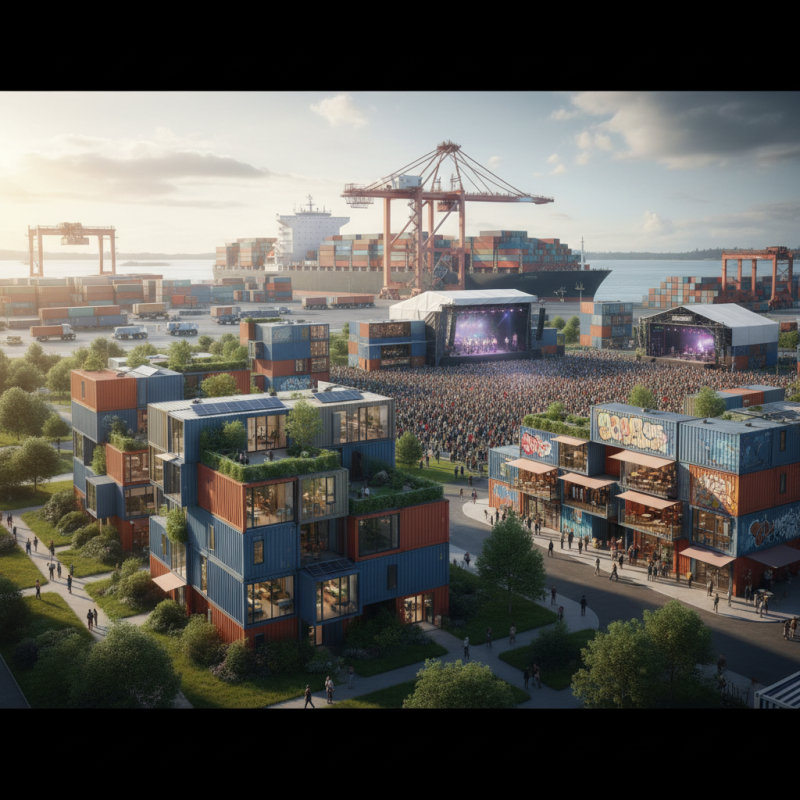
Sea can containers, originally designed for shipping goods across oceans, are increasingly being repurposed for
innovative applications in urban development. In 2025, these robust structures are set to transform
city landscapes, accommodating various functions such as affordable housing,
pop-up shops, and community gardens. The modular nature of sea cans allows for
flexible designs, which cater to the growing need for sustainable and adaptable living spaces in crowded urban environments.
One of the most exciting trends is the use of sea can containers in constructing eco-friendly neighborhoods.
By repurposing these durable steel boxes, urban planners can minimize waste and reduce construction costs while fostering
creativity and resilience. Creative architects are exploring unique stacking techniques and incorporating green technologies
like solar panels and rainwater harvesting systems, turning these containers into
energy-efficient homes. Additionally, their mobility allows for temporary installations, offering cities an efficient
solution for seasonal markets or event spaces, enhancing community engagement and local economies. Through their innovative
applications, sea can containers are not just functional but are also contributing to the redevelopment and revitalization
of urban areas.
Environmental Benefits of Using Sea Can Containers in Sustainable Practices
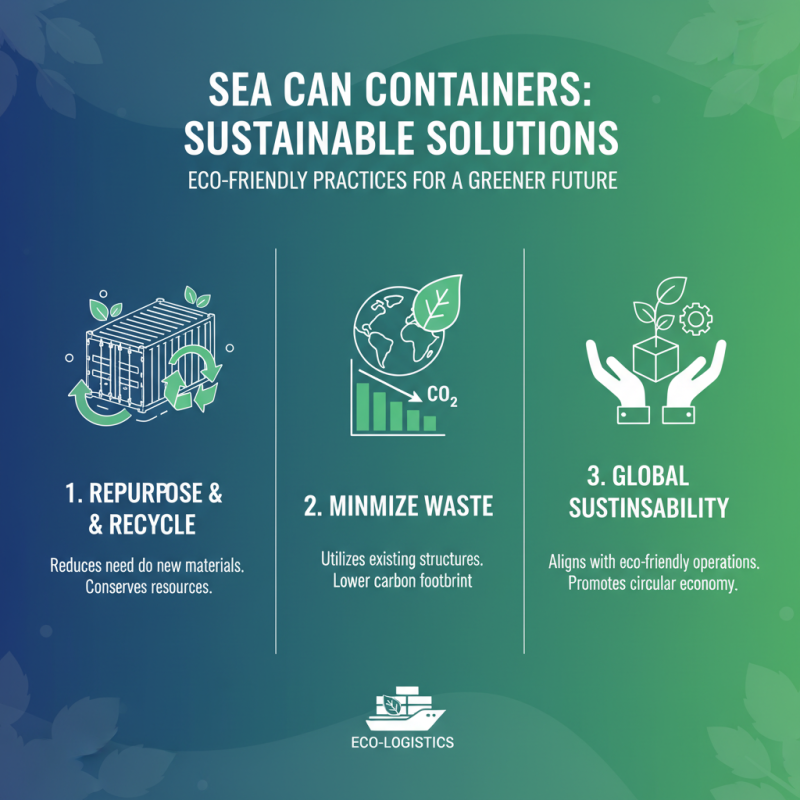
The increasing popularity of sea can containers in sustainable practices can be largely attributed to their remarkable environmental benefits. These containers are often repurposed and recycled, which significantly reduces the need for new materials and conserves resources. By utilizing existing structures, businesses and individuals can minimize waste, leading to a lower carbon footprint. This reduction in consumption aligns with the growing global emphasis on sustainability, as more organizations seek to adopt eco-friendly practices in their operations.
Moreover, sea can containers are incredibly versatile and can be employed in various ways that promote sustainability. For instance, they can be transformed into pop-up shops, community gardens, or even housing units, alleviating issues like overpopulation and resource scarcity. The ability to be relocated easily also means that these containers can contribute to reducing urban sprawl, preserving green spaces in cities. As the movement towards environmental consciousness continues to grow, the adaptability of sea can containers makes them a preferred choice for innovative and sustainable solutions.
Economic Impact: Cost Efficiency of Sea Can Containers in Supply Chains
The cost efficiency of sea can containers in supply chains has led to their increasing popularity in recent years. As businesses look for effective ways to streamline operations, sea can containers have emerged as a practical solution. Their ability to be easily transported, reused, and repurposed makes them an attractive option to reduce overhead costs. The durability of these containers also means fewer expenses related to repairs and replacements, contributing to overall savings.
Tips: When considering sea can containers for your supply chain, think about how you can utilize them for multiple purposes. For instance, beyond transportation, they can be adapted for storage, workshops, or even pop-up retail spaces. Additionally, take advantage of their modular design to create customized solutions tailored to your specific logistics needs.
Another economic benefit is the reduced need for intermediate warehousing. With sea can containers, products can be stored closer to their final points of delivery, minimizing shipping times and lowering inventory costs. This efficiency not only enhances cash flow but also improves customer satisfaction by enabling faster service. Embracing this approach in 2025 could position businesses at the forefront of a competitive market.
Top Uses for Sea Can Containers in 2025 and Why They Are Gaining Popularity
| Use Case |
Description |
Economic Impact |
Cost Efficiency |
| Storage Solutions |
Ideal for temporary and long-term storage of goods. |
Reduces warehousing costs and overhead. |
Lower rental fees compared to traditional storage facilities. |
| Mobile Offices |
Converted sea cans provide a mobile and temporary office space. |
Minimizes the cost of office rentals and setups. |
Reduces commuting costs and increases operational flexibility. |
| Modular Construction |
Used as building blocks for modular homes and commercial buildings. |
Accelerates the construction timeline and reduces labor costs. |
Saves material and transportation costs compared to traditional builds. |
| Retail Spaces |
Sea cans are increasingly used as pop-up shops and temporary retail locations. |
Allows businesses to enter markets with lower initial investment. |
Decreases the cost of establishing a retail space. |
| Event Spaces |
Used for festivals, trade shows and exhibitions as stalls. |
Cost-effective solution for temporary setups. |
Reduces logistics and installation costs for events. |
Future Trends: Technological Advancements in Sea Can Container Usage
As we move into 2025, technological advancements are significantly reshaping the way sea can containers are utilized. One of the most noteworthy trends is the integration of smart technology, which enhances the functionality of these containers. Equipped with IoT devices, sea can containers can now monitor and report on environmental conditions, track location in real time, and optimize space utilization. This level of connectivity not only improves logistics efficiency but also ensures the safety and integrity of the contents during transit.
Moreover, the rise of modular construction is revolutionizing the use of sea can containers in urban development. With advancements in prefabrication technology, containers can be quickly transformed into robust housing units or commercial spaces that meet modern architectural standards. These developments are not only cost-effective but also contribute to sustainability efforts, as using repurposed materials helps to reduce waste. The versatility of sea can containers, coupled with enhanced technological features, paves the way for innovative applications across various sectors, making them an increasingly popular option for businesses and individuals alike.