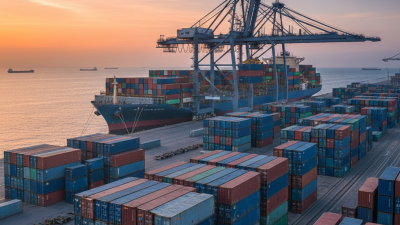
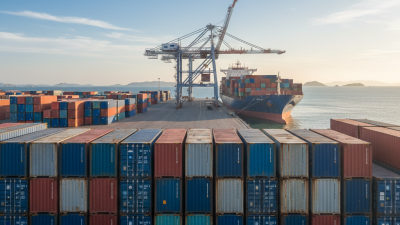
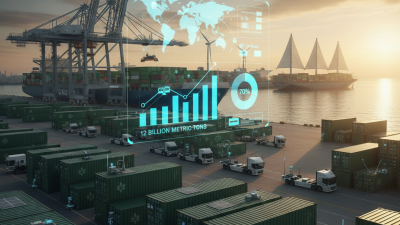
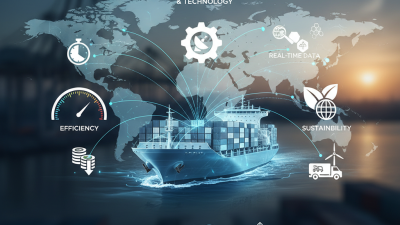
The rise of sea containers has transformed modern transportation significantly. According to the World Shipping Council, over 90% of global trade relies on these units. In 2020 alone, approximately 147 million twenty-foot equivalent units (TEUs) traveled across oceans. Sea containers are not merely shipping tools; they have evolved into multifunctional assets that cater to various industries.
Today, sea containers are used for more than just transporting goods. They serve as portable retail spaces, offices, and even homes. The versatility is impressive. Yet, there are significant challenges to consider. Not all sea containers are created equal. Some are better suited for specific purposes than others. Environmental concerns also arise when repurposing these containers. Sustainability issues need attention as we embrace innovation in this field.
Despite the booming trend, understanding the limitations of sea containers is crucial. They can be cost-effective but often require substantial modifications. Mismanagement can lead to wasted resources. This raises questions about the long-term viability of relying solely on sea containers for transportation needs. A deeper look is necessary to navigate this complex yet exciting landscape.
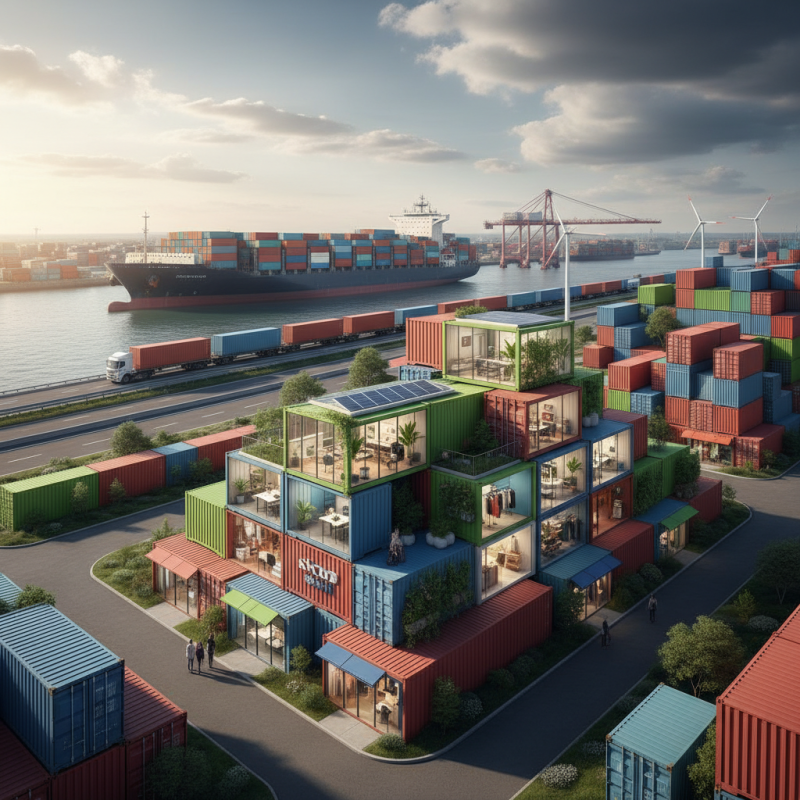
Sea containers have revolutionized global trade and shipping efficiency. They optimize space within ships, allowing for maximum cargo transportation. According to the International Maritime Organization, over 90% of global trade occurs via maritime shipping. This tremendous volume relies heavily on standardized sea containers, which simplify loading and unloading processes.
Containerization has reduced transportation costs significantly. Estimates from the World Bank indicate that shipping costs have decreased by 40% due to this innovation. Efficient methods like intermodal transport mean containers can easily transfer from ships to trucks or trains. Yet, the industry faces challenges. Not all ports are equipped for optimal container handling. Logistics bottlenecks occasionally occur, slowing down the supply chain.
Sustainability is also a concern. Some sea containers are left unused, contributing to waste. Companies are exploring ways to repurpose these containers for housing or offices. However, the balance between efficiency and sustainability requires careful thought. Recognizing these complexities is crucial for moving forward in global shipping.

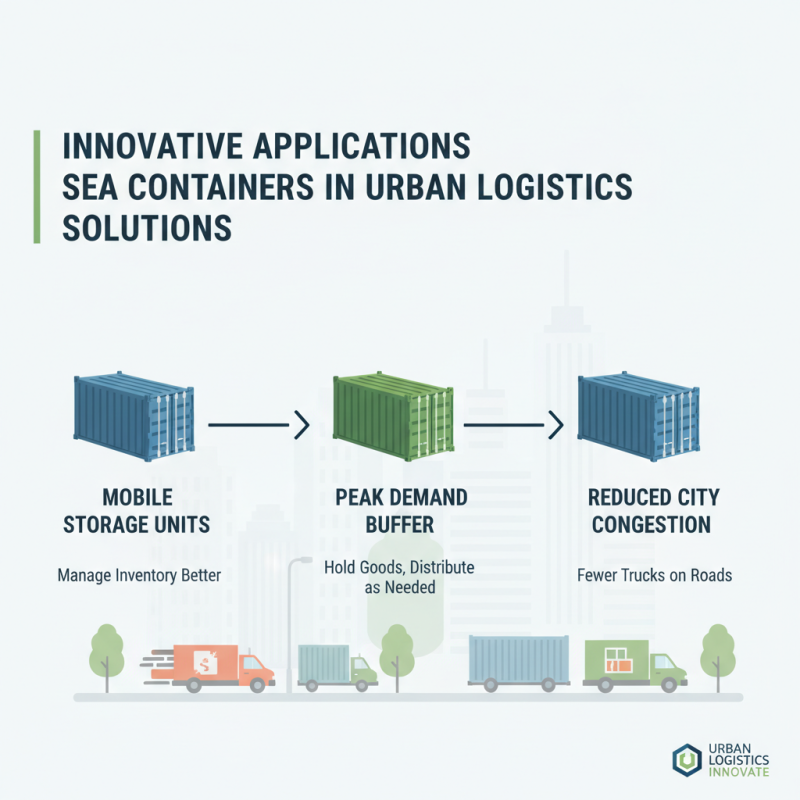
Sea containers have transformed urban logistics in remarkable ways. They provide flexible and efficient transport solutions. For instance, cities use them as mobile storage units. This helps manage inventory better. They can hold goods during peak demands and distribute them as needed. This reduces congestion on city roads.
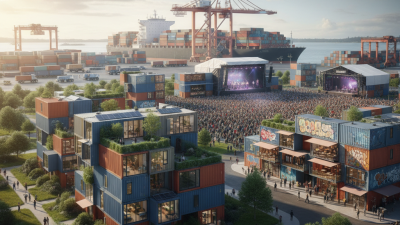
Innovative applications also include pop-up shops. Sea containers are converted into stores that bring products closer to customers. They create unique shopping experiences. Some cities use them for community spaces. Parks and markets spring up from these structures, revitalizing neighborhoods. However, challenges exist. Not all urban areas are equipped for container transport. Coordination among city services is essential. There needs to be a clear strategy for placement and usage.
Moreover, while these applications show promise, they can also raise concerns. Noise and aesthetic issues may arise in dense neighborhoods. Balancing functionality with community needs is crucial. Urban planners must consider these factors when integrating sea containers. The potential is significant, but careful execution is necessary for success.
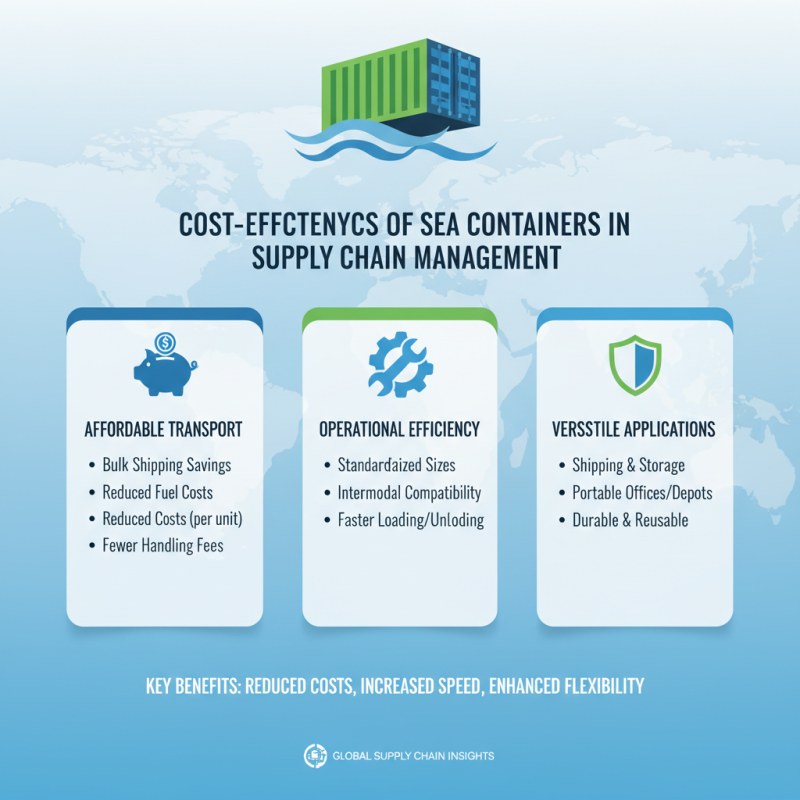
Sea containers have transformed modern transportation. They offer a practical and efficient means of moving goods across vast distances. Their durability and flexibility make them a preferred choice in supply chain management. Cost-effectiveness is a key factor in their appeal. Companies can utilize containers for shipping, storage, and even as portable offices.
Using sea containers can save businesses substantial costs. The initial investment is often lower than traditional shipping methods. Containers are reusable and can serve multiple purposes. This versatility leads to reduced operational expenses over time. Transporting goods in bulk also maximizes container space, lowering per-item shipping costs. Avoiding unnecessary packaging further enhances savings.
**Tip:** Consider using containers for short-term storage to optimize costs.
Flexibility is another advantage. Containers can be easily transported by truck, rail, or ship. They adapt well to different logistics chains. However, challenges exist. Not all goods fit neatly into containers. Perishable items may need special handling or temperature control. Hence, it’s crucial to assess product requirements before shipping.
**Tip:** Research local regulations for container usage.
The reuse of sea containers in transportation holds significant promise for reducing our environmental footprint. These robust metal boxes can be repurposed in various ways. For example, they can be transformed into mobile homes or converted into pop-up shops. This creativity not only saves resources but also minimizes waste.
However, challenges exist. The transportation of these containers often involves long journeys, emitting greenhouse gases. It's essential to evaluate the entire lifecycle of sea containers. Are we really lowering our environmental impact? Moreover, while repurposing is beneficial, some containers may still leak harmful substances. Proper checks are vital during the reuse process.
Despite these challenges, the potential benefits of reusing sea containers are tangible. They encourage a circular economy where waste is steadily minimized. Innovative thinkers continue to find new applications for these containers, transforming them into eco-friendly solutions. Yet, a critical perspective on their entire lifecycle must shape this journey forward.
Technological advancements in tracking sea containers have transformed modern transportation. GPS and RFID technologies are now widely used. These systems provide real-time data on container locations. With this information, logistics companies can improve efficiency and reduce delays. However, accuracy in tracking can still face challenges. Connectivity issues may arise in remote areas.
Moreover, automated alerts are beneficial but can lead to information overload. Too many notifications can overwhelm staff. Balancing the volume of alerts is crucial for effective management. Data analytics plays a significant role as well. Companies can analyze patterns for better decision-making. But understanding data requires time and expertise. Not every team is equipped for this task, leading to potential missed opportunities.
Ultimately, tracking sea containers offers many advantages. Yet, it raises questions about privacy and data security. As technology evolves, addressing these issues is necessary. Finding the right balance between innovation and caution is essential. Only then can the full potential of tracking systems be realized.
| Use Case | Description | Benefits | Technological Advancements |
|---|---|---|---|
| Shipping Goods | Transporting various products across long distances. | Cost-effective, standardized sizes, durability. | GPS tracking for real-time location updates. |
| Storage Solutions | Temporary or long-term storage of goods or equipment. | Secure and weather-resistant storage option. | IoT sensors for monitoring internal conditions. |
| Mobile Offices | Transforming containers into portable office spaces. | Flexibility, cost savings over traditional buildings. | Surveillance systems for security and monitoring. |
| Modular Housing | Building homes from repurposed shipping containers. | Sustainable, affordable housing solutions. | Smart home technology integrations. |
| Workshops and Studios | Utilizing containers for creative workspaces. | Unique spaces, transportable, customizable. | Enhanced climate control systems. |
| Pop-Up Shops | Temporary retail venues in urban settings. | Cost-effective, trendy, and mobile. | Mobile payment solutions and tracking tools. |
| Recycling and Waste Management | Collection and transportation of recyclables. | Efficient management of waste streams. | RFID tags for tracking waste containers. |
| Event Spaces | Creating unique venues for concerts and festivals. | Creative, engaging experiences for attendees. | High-tech lighting and sound systems. |
| Transportation of Heavy Equipment | Transporting machinery and heavy tools securely. | Durable and strong enough to withstand heavy loads. | Advanced stabilizing technologies during transit. |

© Copyright 2025 | CONTAINERED – SHIPPING CONTAINER HOMES IN MELBOURNE