2025 Top Uses for Large Shipping Containers in Modern Construction
The use of large shipping containers in modern construction continues to gain traction. Industry reports indicate that the global market for shipping container structures is projected to grow significantly, driven by rising demand for sustainable building solutions. Experts estimate that this sector could see a compound annual growth rate of approximately 5.4% through 2027.
"Large shipping containers are redefining construction norms," says Dr. Emily Carson, a leader in sustainable architecture. Her insights highlight the versatility and efficiency of these containers. They can be converted into homes, offices, and even emergency shelters. The rise in modular construction emphasizes both time-saving and cost-effective methodologies. Yet, challenges remain. Reinforcement, insulation, and compliance with local codes require thoughtful planning.
Despite this growth, not every project will benefit from large shipping container use. A careful analysis of the site and intended purpose is crucial. Sustainability is often cited, but the long-term environmental impacts need further examination. As the industry adapts, continual reflection on these aspects will shape the future of construction using large shipping containers.
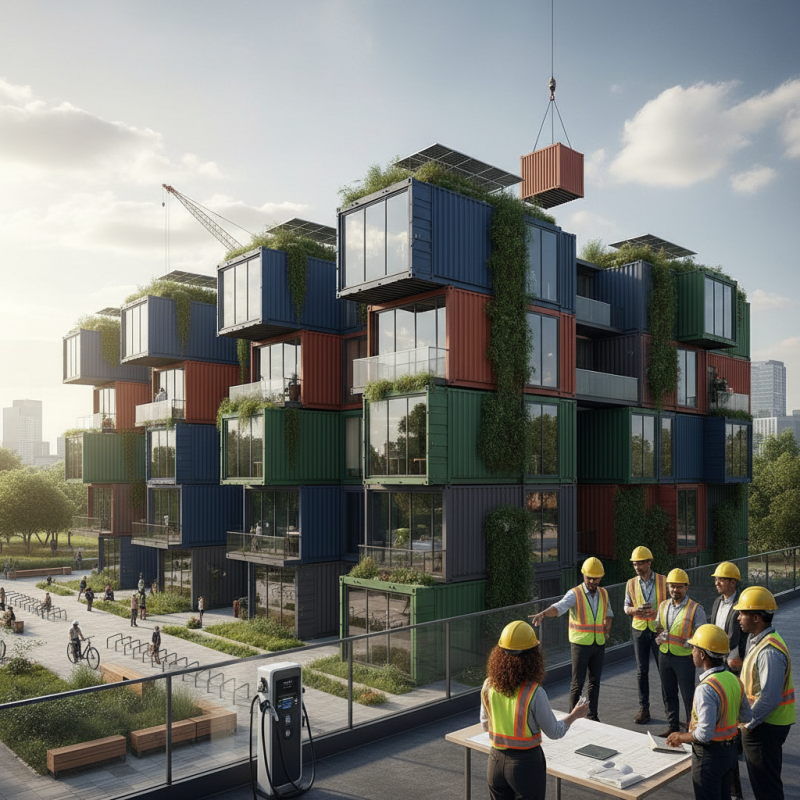
Innovative Architectural Designs Utilizing Large Shipping Containers
Large shipping containers are transforming modern architecture. Builders are creatively reimagining these containers into stunning living spaces, offices, and community centers. They bring a unique aesthetic and functional advantages. The industrial look appeals to many. Additionally, they are cost-effective and environmentally friendly.
When designing with shipping containers, consider the layout carefully. Open spaces work well, but too much openness can feel cold. Balance is key. Adding windows and green spaces can warm up the design. Also, think about insulation. Proper insulation is vital for comfort. Shipping containers can get hot or cold quickly.
Tips: Use a mix of materials for a dynamic feel. Pair metal with warm woods or vibrant colors. Also, remember to involve local communities in the design. Their input can enhance functionality and appeal. Embrace imperfections; they can add character. Reflect on your designs, adjusting as needed. Each project is an opportunity to innovate.
Cost-Effective Housing Solutions with Recycled Shipping Containers
Recycled shipping containers offer a unique solution to the housing crisis. According to a report by the World Economic Forum, the global housing shortage could reach 440 million units by 2025. Shipping containers are robust, weather-resistant, and modular. These features make them cost-effective for housing developments.
Constructing homes from shipping containers can save up to 30% compared to traditional methods. The initial cost is lower due to reduced material waste. However, there are challenges in insulation and compliance with local building codes. Not all shipping containers are suitable for housing; some may have previous cargo residue. It's essential to inspect containers before purchasing.
Many construction projects have successfully used containers for creating affordable housing. In urban areas, these projects often include community spaces. They can be stacked or arranged in various configurations, allowing for creativity. However, the stigma surrounding container homes persists. Some view them as temporary or less desirable. Overcoming this perception will be significant for broader adoption.
2025 Top Uses for Large Shipping Containers in Modern Construction - Cost-Effective Housing Solutions with Recycled Shipping Containers
| Use Case |
Description |
Cost-Effectiveness |
Sustainability Impact |
| Modular Housing |
Containers can be transformed into affordable, durable homes. |
Reduces construction costs by up to 30%. |
Promotes reuse of materials. |
| Pop-up Shops |
Ideal for temporary retail spaces in urban areas. |
Lower overhead costs for start-ups. |
Utilizes existing shipping containers, minimizing waste. |
| Student Housing |
Affordable housing solutions for college students. |
Cost-effective compared to traditional dormitories. |
Recycles shipping containers, reducing carbon footprint. |
| Community Centers |
Versatile spaces for workshops and gatherings. |
Lower construction and maintenance costs. |
Supports community engagement through sustainable practices. |
| Emergency Shelters |
Rapidly deployable solutions in disaster-stricken areas. |
Cost-efficient and quick to set up. |
Reuses materials to aid in crisis recovery. |
Sustainable Building Practices Incorporating Shipping Containers
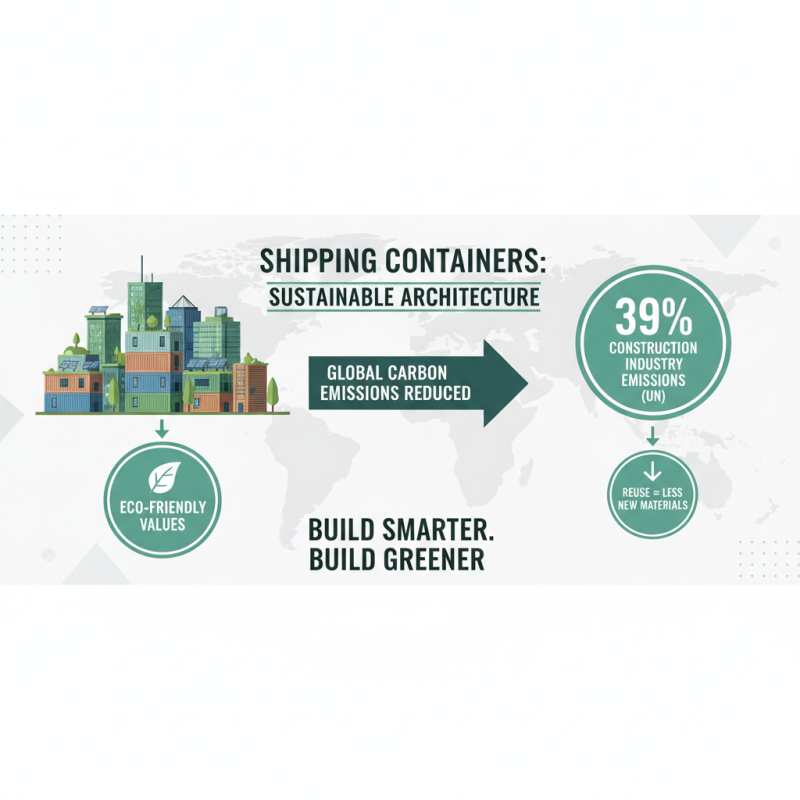
Shipping containers are gaining traction in sustainable building practices. This trend is noticeable in urban architecture, where eco-friendly values have become paramount. According to the United Nations, the construction industry contributes approximately 39% of global carbon emissions. Using shipping containers can significantly reduce these emissions. They are often repurposed, lowering the need for new materials.
Containers are durable and versatile, making them ideal for various projects. They can be used for homes, offices, and even community centers. This adaptability is appealing to architects looking to innovate. A report by the World Economic Forum projects a 70% growth in the use of shipping containers in construction by 2025. This indicates a shift towards more sustainable methods.
Tips: Consider the insulation needs when using containers. Proper insulation can enhance energy efficiency. Additionally, think about the local climate; containers may require modifications to withstand extreme weather. Also, make sure to factor in the accessibility of your site. Container delivery can be challenging in tight urban spaces. Reflect on these aspects to ensure your project is practical and sustainable.
Multi-Functional Commercial Spaces Created from Shipping Containers
Shipping containers are transforming commercial spaces in
innovative ways. They offer
versatility and
cost-efficiency for businesses.
Many entrepreneurs are choosing to convert shipping containers into
offices, retail shops, and restaurants. This trend is especially
popular in urban areas where space is limited.
These multi-functional spaces are often modular. They can be
stacked or arranged in various configurations. A café might
nestle within several shipping containers, creating an
inviting outdoor area. Designers often paint and modify the
containers to reflect the brand's identity. The best
designs enhance the aesthetic appeal while retaining
functionality.
However, challenges arise. Not every design is perfect.
Insulation can be tricky, especially in extreme
weather. Space limitations may hinder creative ideas. Some
businesses find it hard to secure permits for these
structures. Reflection on these issues leads to more
innovative solutions.
Embracing imperfection in design can lead to
unique
and adaptive commercial spaces.
Transforming Urban Areas with Container-Based Infrastructure Projects
Urban areas are evolving rapidly. Shipping containers are becoming prominent in construction. They provide unique solutions for space constraints. Container-based infrastructure projects are not just functional; they can be artistic. This trend is reshaping cities worldwide.
Using containers for community spaces is one approach. These spaces can host cafes, shops, or theaters. They are affordable and often easier to install. However, careful planning is crucial. Not all designs will fit well in every neighborhood. Local culture should influence design choices.
Tips: Consider sustainability in your project. Reclaimed containers can reduce waste. Engage the community in the design process. Feedback helps create spaces that resonate with locals. Also, assess long-term usability. Some ideas may require more resources than anticipated. Keep an open mind for revisions. This adaptability can lead to better outcomes.
2025 Top Uses for Large Shipping Containers in Modern Construction