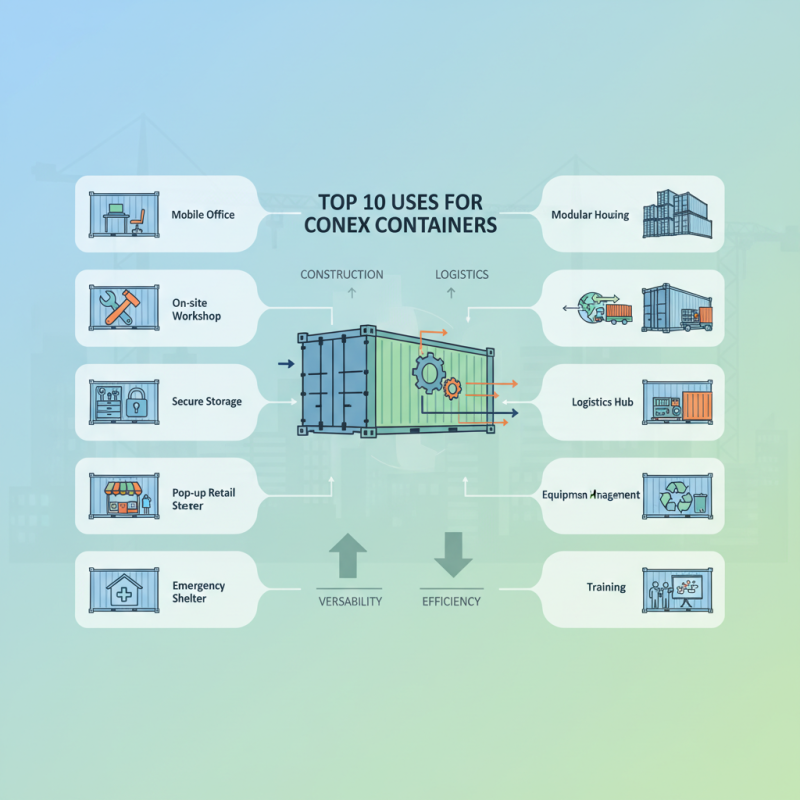
Top 10 Uses for Conex Containers in Modern Construction and Logistics?
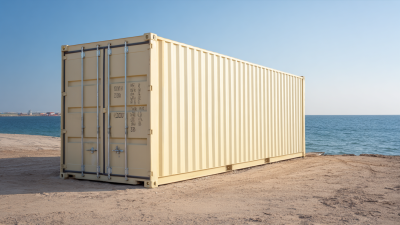
In the ever-evolving world of construction and logistics, the use of conex containers has gained prominence. These versatile steel boxes serve numerous purposes. They are not just storage solutions; they can be transformed into mobile offices, workshops, and even living spaces.
Many industries are starting to recognize their potential. For instance, construction sites often face space limitations. Here, conex containers provide an ideal solution. They can be easily transported and repositioned. This flexibility is priceless in dynamic environments. However, the challenge remains in maximizing their use effectively.
While conex containers can streamline operations, it’s crucial to consider planning. Poorly organized setups can lead to inefficiencies. Additionally, improper stacking or placement can pose safety risks. A deeper understanding of their applications can yield better results. Embracing the potential of conex containers may require some trial and error, but the benefits are significant.
Benefits of Utilizing Conex Containers in Construction Projects
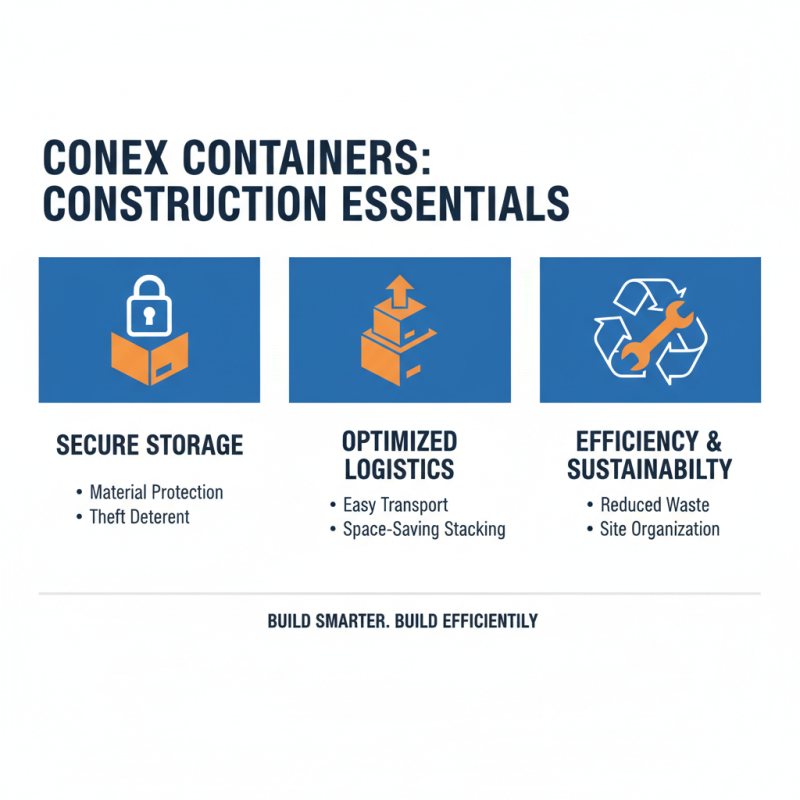
Conex containers have become essential in construction projects. They provide secure storage for materials on site. This promotes organization and reduces waste. With a standard size, these containers can be stacked and transported easily. They save space and make logistics simpler.
Utilizing these containers also enhances project efficiency. Workers can access tools and materials easily. This reduces delays and keeps projects on track. However, relying on these containers can lead to over-organization. Sometimes, too much order hinders creativity.
Moreover, Conex containers are perfect for temporary offices. They offer shelter and comfort in rugged environments. Yet, not all projects can adapt to container use. Each site presents unique challenges. Local regulations and design needs come into play. Balancing benefits with these factors is crucial.
Transforming Conex Containers into Mobile Offices for Construction Sites
Mobile offices have become a game changer on construction sites.
Conex containers, often used for storage, can be easily transformed into functional workspaces. With a few modifications, these
containers can be equipped with electricity and HVAC systems. Adding desks and chairs creates a comfortable environment for workers.
However, not everything goes perfectly. Some conversions may overlook natural lighting,
making the space feel cramped. Ventilation can also be an issue if not properly handled. Construction sites are often noisy, so
soundproofing is a consideration, too. Despite these challenges, many find these
mobile offices ideal due to their portability.
Creativity can solve many design shortcomings. Team meetings,
paperwork, and breaks can happen in a compact yet efficient setup. The flexibility of Conex containers allows crews to work
where needed. Embracing these spaces helps improve organization and productivity, contributing positively to project outcomes.
Storage Solutions: Using Conex Containers for Equipment and Materials
In modern construction, Conex containers serve as practical storage solutions. They can securely hold tools, equipment, and raw materials. When stacked, they utilize vertical space effectively. This maximizes an area, especially on crowded construction sites. However, maintaining organization becomes a challenge. Workers may struggle to find specific items quickly. Without a proper inventory system, efficiency can decline.
These containers also protect materials from weather damage. Wood, metal, and other supplies remain safe and dry. Yet, temperature fluctuations inside can lead to complications. Items stored for too long may deteriorate. Regular checks are essential to avoid waste. Additionally, some containers lack proper ventilation. This can cause moisture buildup, affecting the stored goods.
Using Conex containers encourages creativity in site management. They can be transformed into temporary offices or break rooms. This flexible approach saves costs and provides needed space. Still, proper planning is required to ensure all needs are met. Ignoring the layout can lead to chaos. Balancing functionality and organization is key for a successful project.
Top 10 Uses for Conex Containers in Modern Construction and Logistics
Modular Housing: Innovative Uses of Conex Containers in Residential Spaces
Modular housing using Conex containers is gaining popularity. These containers can be transformed into functional living spaces.
They are cost-effective and versatile. In fact, a recent study indicated that modular homes can be built up to 50% faster than traditional homes. This speed allows for quicker occupancy and reduced labor costs.
One unique aspect of container homes is their sustainability. Reusing shipping containers reduces waste. However, creating comfortable living spaces in these containers can be challenging.
Insulation, plumbing, and ventilation require careful planning. A poorly designed layout may lead to uncomfortable living conditions. It’s essential to balance functionality and aesthetics.
Tips: Think about natural light. Large windows can make a container home feel spacious. Remember, not all containers are suitable for long-term living.
Inspect for rust or damage before repurposing. Choose a reliable contractor who understands container modifications. Doing research can save you time and money.
Efficient Logistics: Streamlining Supply Chains with Conex Containers
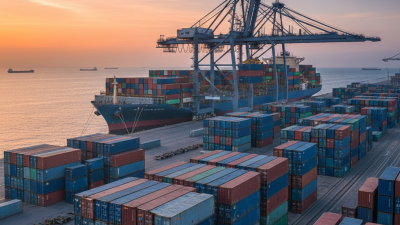
In modern logistics, Conex containers play a vital role in streamlining supply chains. Their sturdy design allows for easy stacking and movement. This efficiency cuts down on time and labor costs. Transporting goods in these containers reduces the likelihood of damage, ensuring products arrive in good condition.
Imagine a construction site where materials are scattered everywhere. This chaos leads to delays. By utilizing Conex containers for storage, the workspace becomes organized. Workers can find the tools they need quickly. However, it’s important to monitor usage. Sometimes containers can become cluttered, defeating their purpose.
Additionally, shipping schedules can be unpredictable. A missed deadline can disrupt the entire supply chain. While Conex containers provide solutions, they can also add complexity. Each delivery must be tracked carefully. Communication among teams is crucial to prevent bottlenecks. Embracing this system requires reflection on logistics strategies.