Why Is a Sea Container the Best Choice for Global Shipping?
A sea container turns a long ocean journey into a controlled logistics process. UNCTAD’s Review of Maritime Transport 2024 reported approximately 12.3 billion tons of seaborne trade in 2023. That scale explains why standardized equipment matters. A container can move from a factory floor to a truck chassis, rail wagon, and vessel with limited cargo handling. Fewer transfers usually mean fewer opportunities for damage, moisture exposure, or misplaced cartons.
Standardization is the quiet advantage. ISO 668 defines common container dimensions, including the widely used 20-foot and 40-foot units. These dimensions help ports, cranes, carriers, and warehouses work together across borders. Drewry’s Container Forecaster also shows how container capacity and network planning influence global freight performance. In practical terms, a properly packed sea container may hold palletized machinery, boxed furniture, or sealed consumer goods for weeks. It is not glamorous.
A sea container also offers measurable protection. Its steel walls resist weather, while locking bars and approved lashing systems help stabilize cargo during rough movements. However, the “best” choice depends on cargo weight, temperature, dimensions, and delivery urgency. Refrigerated goods need reefer containers. Oversized equipment may require specialized units. Not always.
Poor packing can still cause crushing, shifting, or corrosion inside a strong box. Experienced shippers therefore inspect floors, check door seals, distribute weight carefully, and record condition before loading. The equipment is standardized, but the decisions are not. This balance of durability, scalability, and intermodal compatibility makes the sea container a dependable foundation for global shipping, not a universal solution.
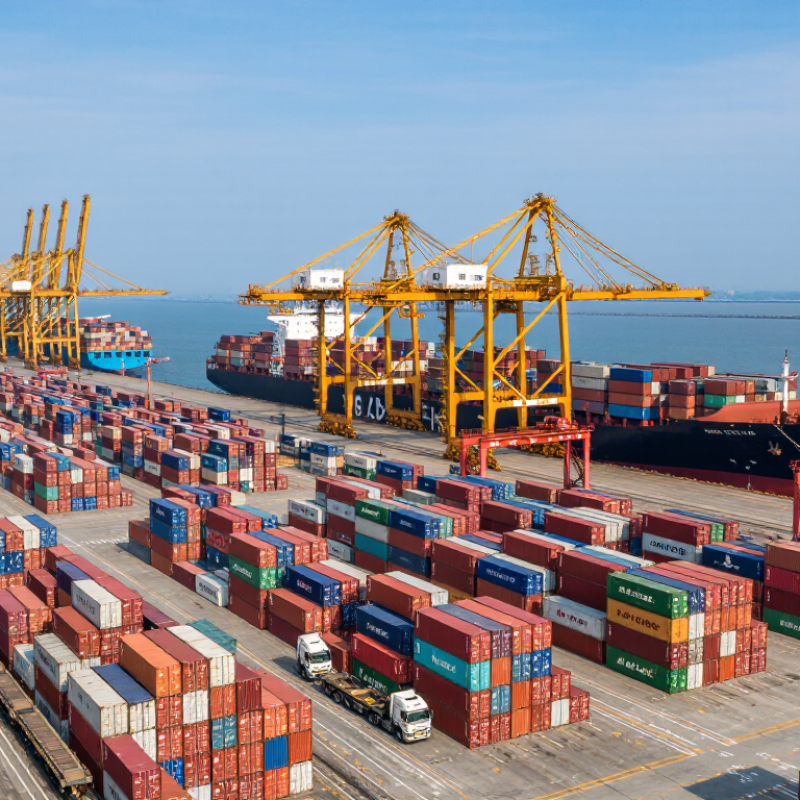
Why Is a Sea Container the Best Choice for Global Shipping?
What Is a Sea Container and How Does It Work?
A sea container is a reusable steel cargo box built for standardized transport. Common units measure 20 or 40 feet long. Their corner castings connect with twist locks on ships, railcars, and truck chassis. This design lets cargo move without repeated unloading. It also reduces handling damage and transfer time.
The International Organization for Standardization defines key container dimensions under ISO 668. The Container Safety Convention requires approved containers to carry safety plates and pass structural inspections. In practice, workers inspect the floor, roof, door seals, and locking bars before loading. A damaged seal can invite moisture. A weak floor can create a costly failure. The container seems simple, but small mistakes remain possible.
UNCTAD’s Review of Maritime Transport 2024 reports that maritime trade reached about 12.3 billion tons in 2023. Its data also shows global container port throughput near 858 million TEUs. These figures explain why standard boxes remain central to international logistics. They fit existing cranes and stacking systems. However, standardization does not guarantee safe packing.
Tips: Select the container size after measuring every carton. Keep heavy goods low and centered. Use blocking, bracing, and moisture protection when needed. Leave no empty space near the doors. Photograph the cargo before closing. A rushed loading plan can damage goods, even inside a certified container.

Sea containers fit international logistics because they move between ships, trains, and trucks without unpacking. Their standardized dimensions follow ISO 668, creating predictable handling procedures at ports and terminals. A 20-foot container can hold about 33 cubic meters of cargo, although usable space depends on packaging and weight limits.
UNCTAD’s Review of Maritime Transport 2024 states that shipping carries over 80% of world merchandise trade by volume. This scale makes containerization economically practical. Cargo stays enclosed during ocean crossings, reducing exposure to rain, salt air, dust, and repeated manual handling.
At a busy terminal, a crane can lift the same steel box from a vessel onto a rail chassis within minutes. That continuity lowers damage risks and simplifies documentation across borders.
Container design also supports operational reliability. Corner castings allow secure stacking, while locking systems help maintain stability during rough seas. The International Maritime Organization reports that verified container weights are essential for safe vessel loading. Small errors can create serious imbalance. That detail is sometimes underestimated. A container is not automatically efficient; poor packing can leave empty space, shift cargo, or exceed safe limits. Temperature-sensitive goods need additional controls, and damaged units require inspection before use. Even with these limitations, standardized containers remain a practical foundation for global cargo transport because their dimensions, lifting points, and handling methods are widely understood.
Why Is a Sea Container the Best Choice for Global Shipping?
How Standardized Containers Simplify Global Logistics
A sea container turns scattered cargo into one consistent transport unit. Its standard dimensions fit ships, rail wagons, trucks, cranes, and storage yards. ISO 668 defines common container sizes, while ISO 6346 supports reliable identification across transport documents and terminals. This shared language reduces repeated loading and protects goods from frequent handling. A sealed box also gives operators a clearer chain of custody.
The scale is significant. UNCTAD’s Review of Maritime Transport 2024 reports that seaborne trade reached about 12.3 billion tons in 2023. Around 80% of global merchandise trade by volume moves by sea, according to UNCTAD. Standardized containers make that volume manageable. A 20-foot equivalent unit provides a practical measurement for capacity planning, booking, and terminal operations. Fewer surprises help.
But standardization is not magic. A container can still wait beside a congested gate, lose time during customs checks, or arrive with moisture damage. The World Bank’s Logistics Performance Index 2023 shows that logistics quality differs widely between economies. That matters. A perfectly packed box cannot fix weak inland roads or poor data exchange. From hands-on shipment planning, the difficult part is often not the ocean leg. It is coordinating the quiet transfers before and after it. My earlier assumption was too simple: one universal box improves logistics, but disciplined processes complete the benefit.
| Logistics Dimension | 20-Foot Standard Container | 40-Foot Standard Container | 40-Foot High-Cube Container | Global Shipping Advantage |
|---|---|---|---|---|
| Common designation | 20 ft / 1 TEU | 40 ft / 2 TEU | 40 ft High Cube / 2 TEU | A common measurement system simplifies vessel planning, terminal handling, rail transport, and road delivery. |
| Typical external length | 6.058 m | 12.192 m | 12.192 m | Standard lengths allow containers to fit consistently on ships, chassis, railcars, and handling equipment. |
| Typical external width | 2.438 m | 2.438 m | 2.438 m | A uniform width supports standardized stacking, lifting, securing, and storage worldwide. |
| Typical external height | 2.591 m | 2.591 m | 2.896 m | The high-cube option provides additional vertical space while preserving the standard footprint. |
| Typical internal volume | About 33.2 m³ | About 67.7 m³ | About 76.4 m³ | Predictable cubic capacity improves load planning and helps reduce unused shipping space. |
| Typical internal dimensions | Approximately 5.90 × 2.35 × 2.39 m | Approximately 12.03 × 2.35 × 2.39 m | Approximately 12.03 × 2.35 × 2.69 m | Known interior dimensions make it easier to calculate carton quantities, pallet layouts, and cargo compatibility. |
| Common maximum gross mass rating | Up to 30,480 kg | Up to 30,480 kg | Up to 30,480 kg | Declared mass limits support safer stowage, handling, and compliance across transport modes. |
| Primary transport modes | Sea, rail, road, and inland waterway | Sea, rail, road, and inland waterway | Sea, rail, road, and inland waterway | Cargo can move between modes without unloading the goods from the container. |
| Cargo protection | Enclosed steel structure with lockable doors | Enclosed steel structure with lockable doors | Enclosed steel structure with lockable doors | The sealed transport unit helps protect cargo from weather, repeated handling, contamination, and unauthorized access. |
| Handling method | Corner castings and lifting equipment | Corner castings and lifting equipment | Corner castings and lifting equipment | Interoperable lifting points enable fast transfers with cranes, reach stackers, and container terminals. |
| Standardization basis | International container standards | International container standards | International container standards | Standardized dimensions and corner fittings create a globally compatible logistics infrastructure. |
| Best suited for | Dense, heavy, or smaller-volume cargo | Large-volume general cargo | Lightweight or bulky cargo | Selecting the appropriate size improves payload utilization and can reduce cost per unit shipped. |
| Operational outcome | Efficient handling for compact shipments | High capacity for consolidated shipments | Maximum volume within a familiar footprint | A standard container reduces cargo transfers, handling time, damage risk, and documentation complexity. |
Note: Dimensions and capacity figures are typical reference values. Actual specifications may vary by container manufacturer, construction, door configuration, and applicable safety regulations. Maximum gross mass must always be confirmed from the container's safety plate and transport requirements.
A sea container creates a rigid, enclosed space for cargo during long-distance transport. Its steel walls resist rain, wind, salt spray, and minor impacts. Strong corner posts allow safe lifting between ships, trucks, and terminals. Standard dimensions also reduce unnecessary handling. Fewer transfers usually mean fewer opportunities for damage.
The doors use locking bars and replaceable seals to limit unauthorized access and moisture entry. A reliable seal matters. However, containers are not completely waterproof in every condition. Temperature changes can create condensation inside the roof and walls. This “container rain” may stain cartons, corrode metal, or weaken packaging. Dry cargo should use moisture absorbers, liners, and suitable ventilation when necessary.
Cargo protection also depends on preparation inside the container. Heavy goods need even weight distribution across the floor. Timber blocking, straps, and edge protection help prevent movement during rough seas. Fragile items should have cushioning that matches their weight, not simply extra empty space. Inspectors often find damage caused by poor loading rather than weak containers. That detail is easy to overlook. Clean, dry floors and an intact interior lining also reduce contamination risks. Before sealing, staff should photograph the load, record the seal number, and check for holes, odors, and visible corrosion. These simple records improve accountability, although they cannot replace careful packing.
Why Is a Sea Container the Best Choice for Global Shipping?
How Sea Containers Compare with Other Freight Options
A standard sea container suits large, heavy shipments moving between distant ports. Its fixed dimensions make loading, handling, and transfer more predictable. Cargo can move from a factory to a port, then by ship and truck, without repeated unloading. That reduces handling damage and simplifies documentation. A 20-foot container often fits dense cargo, while a 40-foot unit provides more volume. Internal measurements still require careful checking. Pallets, door height, and weight limits can change the decision.
Compared with air freight, sea transport is much slower but usually costs less for bulky goods. Air cargo works well for urgent, lightweight shipments, especially when inventory shortages are expensive. Rail can provide a useful middle option across connected land routes, with shorter transit times than ocean transport. Road freight offers flexible pickup and delivery, but long-distance trucking may face fuel costs, border delays, and driver shortages. Breakbulk shipping can handle oversized pieces, yet cargo may face more direct exposure during loading.
The container also protects goods from rain, dust, and frequent handling. Desiccant bags, blocking materials, and moisture checks may still be necessary. A poor packing plan can waste space or damage products. That is the part people underestimate. Shipping teams should compare total landed cost, not only the freight quote. Port fees, inland transport, insurance, customs requirements, and storage can alter the final result. For temperature-sensitive or highly urgent cargo, a sea container may be the wrong choice. When timing is manageable and volume is substantial, its standardized design remains difficult to match.
Sea containers are highly efficient for long-distance transport because ships move large volumes of cargo using relatively little energy per tonne-kilometre.
The chart shows representative CO₂ emissions by freight mode, measured in kilograms of CO₂ equivalent per tonne-kilometre. Ocean container shipping generally has the lowest emissions, while air freight is substantially more carbon-intensive. Actual results vary according to vessel type, route, cargo weight, fuel, and utilization. Values are indicative benchmarks based on commonly reported lifecycle assessments and international freight-emissions methodologies.

© Copyright 2025 | CONTAINERED – SHIPPING CONTAINER HOMES IN MELBOURNE