Why Choose a Small Shipping Container for Your Next Project?
When embarking on a new project, the choice of materials and logistics can significantly impact the outcome. Opting for a small shipping container offers unique advantages. These containers are not only versatile but also cost-effective. A small shipping container can serve various functions, from storage to a mobile office. With creativity, it can transform into a quaint studio or a cozy pop-up shop.
Moreover, using a small shipping container can improve efficiency. The compact size allows it to fit into tight spaces. This feature is ideal for urban projects where space is at a premium. Small shipping containers also come in different styles and colors, adding aesthetic value. Their durable design ensures longevity, protecting your assets from weather and theft.
However, it’s essential to reflect on your specific needs. Consider the capacity and layout of the container. Smaller isn’t always better if you need more room for equipment or inventory. Take the time to assess what works for your project. With the right approach, a small shipping container can become an invaluable resource for your endeavors.
Benefits of Using a Small Shipping Container for Storage Solutions
Small shipping containers offer unique advantages for storage solutions. Their compact size makes them ideal for varied spaces, from backyards to construction sites. You can easily place them in tight areas while still having ample storage. This flexibility allows for creative solutions in urban environments where space is limited.
Another benefit of small containers is their durability. Constructed with weather-resistant materials, they protect your items from the elements. This is particularly important for sensitive equipment or valuable belongings. However, it is vital to ensure proper ventilation to prevent moisture buildup. Ignoring this aspect can lead to mold issues, compromising your storage quality.
Additionally, small containers are cost-effective. Their lower price point makes them accessible for personal and business use alike. While they require minimal upkeep, remember that maintenance is still necessary. Regular inspections and upkeep can prevent larger problems down the line. A little attention will extend the life and usability of your container.
Benefits of Using a Small Shipping Container for Storage Solutions
Cost-Effectiveness: Analyzing the Economic Advantages of Smaller Containers
When considering cost-effectiveness in shipping solutions, small shipping containers emerge as a prime choice. The average cost of a new standard shipping container can range from $2,000 to $5,000. Smaller containers tend to sit at the lower end of this price scale, making them more accessible for small businesses and individuals. Reports indicate that smaller containers can save up to 30% in transportation costs due to their reduced weight and dimensions.
In addition to lower initial costs, small shipping containers require less land and fewer resources for modifications. For instance, they can easily be repurposed into office spaces or storage units without extensive renovations. A recent study from the Containerization and Transportation Association revealed that small container deployments generate a 25% lower operational cost compared to larger units, emphasizing the economic advantages.
However, it is essential to recognize some limitations. The space restriction in smaller containers might prompt creative storage solutions, which some may find challenging. Nevertheless, this can foster ingenuity in design and layout. Understanding these dynamics is crucial for maximizing the benefits of small shipping containers in any project.
Why Choose a Small Shipping Container for Your Next Project? - Cost-Effectiveness: Analyzing the Economic Advantages of Smaller Containers
| Dimension |
Volume (Cubic Feet) |
Average Cost |
Installation Time (Days) |
Ideal Uses |
| 10 ft |
672 |
$1,500 |
2 |
Storage, Site Offices |
| 20 ft |
1,172 |
$2,500 |
3 |
Workshops, Storage |
| 30 ft |
1,720 |
$3,000 |
4 |
Small Retail, Emergency Shelter |
| 40 ft |
2,390 |
$4,500 |
5 |
Large Storage, Workshops |
Space Efficiency: Maximizing Utilization in Limited Areas with Small Containers
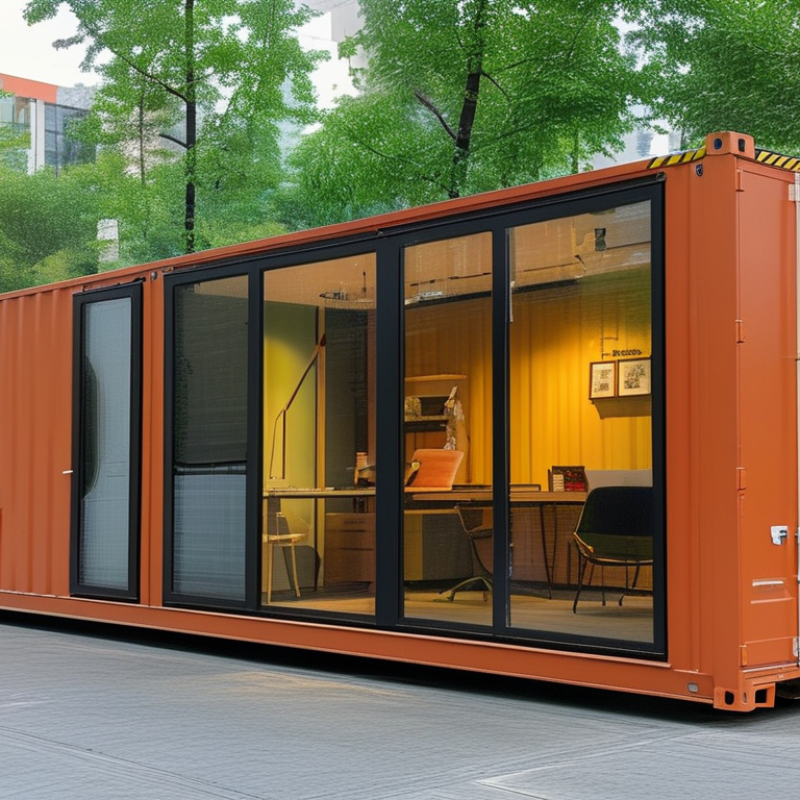
Small shipping containers offer unparalleled space efficiency for various projects. In urban settings, where space is often at a premium, these compact units provide creative solutions. They fit into smaller plots while maximizing utility. A 20-foot container, for example, can be customized into an office, a workshop, or even a cozy living space. This adaptability allows users to make the most of limited areas.
Using a small container also encourages thoughtful design. With restricted space, each square foot must be utilized effectively. Builders must consider multi-functional furniture and clever storage solutions. This can lead to innovative ideas that might not have emerged in larger setups. However, the challenge lies in ensuring that the design feels spacious rather than cramped. Maintaining airflow and natural light becomes crucial.
Despite the advantages, small containers do present some limitations. They may not accommodate every need for larger projects. The requirement for efficient layouts can pressure creators to compromise on certain features. Reflecting on these constraints can be an opportunity for growth. Embracing the challenge of small container design fosters creativity, pushing boundaries and inviting new perspectives.
Portability and Flexibility: The Advantages of Transporting Small Shipping Units
Small shipping containers have gained popularity for their portability and flexibility. They offer distinct advantages for various projects. According to a recent report from the World Trade Organization, small containers occupy about 20% of total shipping movements. This underscores their importance in global trade. Their size makes them easy to transport, whether by truck, train, or ship.
The convenience of using small shipping units is compelling. Many construction projects benefit from their adaptability. A 2022 study indicated that utilizing small containers can reduce transport costs by up to 30%. This cost efficiency is crucial for businesses operating within tight budgets. Small containers can be easily customized, making them suitable for different applications, from mobile offices to storage solutions.
However, there are considerations to keep in mind. The limited space of a small container can be challenging for larger projects. Proper planning is essential to maximize their utility. Additionally, the demand for small containers can fluctuate significantly, leading to potential availability issues. Balancing flexibility with practicality is vital for any project manager.
Sustainability: Eco-Friendly Aspects of Utilizing Small Shipping Containers
Small shipping containers are becoming a popular choice for eco-friendly projects. Their compact size allows for innovative use in tight spaces, minimizing the land footprint. By repurposing these containers, we can significantly reduce waste. Many containers are left unused, leading to increased material waste in the shipping industry. Utilizing them in construction or as storage can be a sustainable option.
Adopting small shipping containers supports responsible construction practices. They require less energy to modify and transport compared to traditional building materials. However, some challenges exist. Insulating these containers can be tricky, and proper ventilation is essential to avoid potential mold issues. Considering these factors is crucial for successful implementation.
Choosing smaller containers may encourage creativity. They provide unique spaces for community projects or small businesses. However, planners should carefully consider layout and functionality. Each project must be tailored to address the limitations of limited space. Finding the right balance between aesthetics and practical use is a reflective process that can enhance sustainability.