
Close

Why Is Shipping a Container So Expensive? The answer is rarely just the ocean distance. A container may travel thousands of miles, yet freight charges begin before it reaches the terminal. Export documentation, inland trucking, port handling, fuel, insurance, and equipment availability all shape the final bill.
Lars Jensen, a respected container-shipping analyst and founder of Vespucci Maritime, has said, “Container shipping is a complex business, where small disruptions can create large consequences.” That observation explains why a modest delay in Singapore, Rotterdam, or Los Angeles can affect prices far beyond one vessel. A missed sailing may add storage fees. A congested port may require extra trucking or a longer route. Empty containers can also sit in the wrong markets, creating sudden equipment shortages.
The price is not always logical at first glance.
A shipper might receive a low ocean quote, then face terminal handling charges, customs brokerage, documentation fees, and delivery costs. Rates also rise when demand outpaces vessel capacity. During peak seasons, one refrigerated container may require careful monitoring, power connections, and stricter scheduling. A standard dry container still carries risks, including demurrage when it remains too long at the port.
Some explanations remain incomplete. Industry estimates can differ between carriers, forwarders, and ports. That uncertainty deserves attention, not convenient guesses. Understanding each charge, requesting a detailed quotation, and checking the delivery terms can reveal where the money goes. Shipping a container becomes less mysterious when every stage is measured, questioned, and documented.
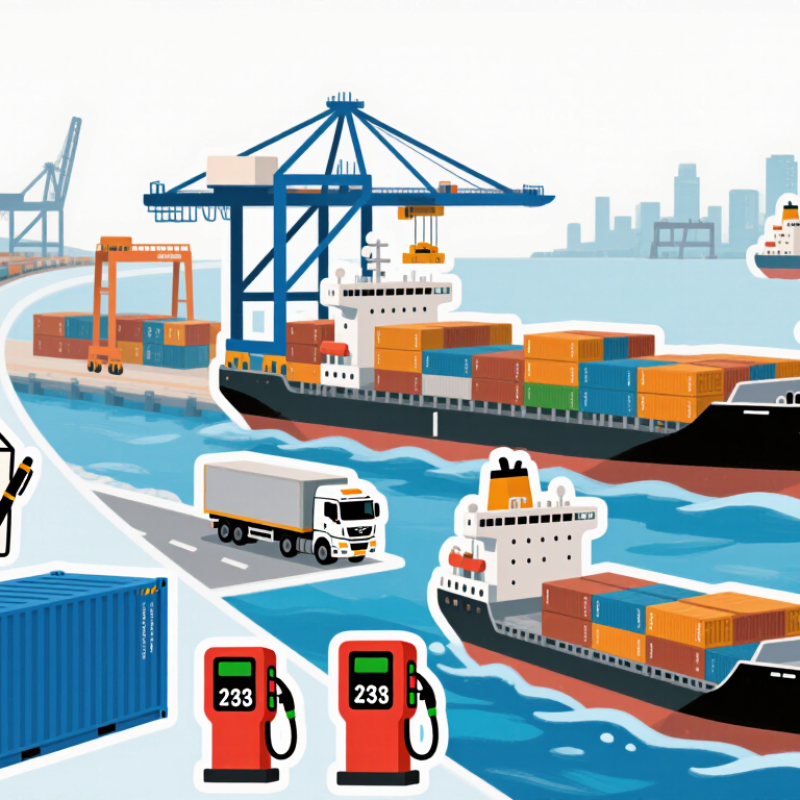
Shipping a container begins long before a vessel leaves port. At origin, cargo is inspected, packed, weighed, and secured inside the unit. A freight coordinator confirms dimensions, cargo readiness, and the required equipment. Even a small packing mistake can create extra handling or damage risks. A truck then moves the container to the export terminal. This local journey may cost more than expected when the factory is inland, roads are congested, or pickup windows are limited. It starts there.
Export paperwork follows the cargo. Commercial invoices, packing details, transport instructions, and verified weight data must match the physical shipment. A customs professional or authorized representative checks the filing requirements. Missing information can delay release and trigger storage charges. Terminal handling, security fees, documentation charges, and inspection costs may appear before loading. Ocean freight is only one line in the quotation. That distinction is often overlooked.
During the voyage, schedules can change because of weather, port congestion, equipment shortages, or operational decisions. At destination, the container passes import clearance and terminal procedures before a truck collects it. Final delivery may include unloading, appointment fees, chassis use, and empty-container return. If the container remains too long, demurrage or detention may apply under the transport contract. Costs accumulate quickly. A careful planner requests an itemized quote and confirms what is excluded. I would still leave a contingency; real shipments seldom behave exactly as planned.
Illustrative cost structure for one full 40-foot dry container shipped internationally from a supplier’s facility to the final delivery address.
| Shipping Stage | Cost Item | Typical Cost (USD) | Typical Time | What the Charge Covers | Main Cost Drivers |
|---|---|---|---|---|---|
| Origin | Export preparation and documentation | $180–$420 | 1–3 business days | Commercial invoice review, packing list, bill-of-lading data, export filing, and shipment coordination. | Document complexity, commodity type, filing requirements, and number of parties involved. |
| Origin | Inland pickup and drayage | $350–$900 | 1–3 days | Moving the empty container to the loading location and transporting the loaded container to the export terminal. | Origin distance, road tolls, fuel prices, chassis availability, congestion, and waiting time. |
| Origin | Container loading and cargo handling | $150–$500 | 0.5–2 days | Loading, securing, pallet handling, weighing, and preparation for terminal acceptance. | Labor requirements, cargo weight, pallet count, loading method, and special handling needs. |
| Origin | Export terminal and security fees | $250–$650 | 1–4 days | Terminal receiving, documentation processing, security screening, and container gate-in. | Terminal tariff, port congestion, peak-season demand, and inspection requirements. |
| Origin | Export customs clearance | $100–$300 | 1–3 business days | Export declaration, commodity classification review, and clearance coordination. | Commodity classification, export controls, shipment value, and customs complexity. |
| Main carriage | Ocean freight and carrier surcharges | $1,800–$5,000 | 20–45 days | Vessel transportation between the origin and destination ports, together with applicable fuel, security, equipment, and route-related surcharges. | Route length, vessel capacity, fuel prices, seasonal demand, equipment balance, and disruption risk. |
| Main carriage | Marine cargo insurance | $100–$300 | Before departure | Optional coverage for specified cargo loss or damage during transportation. | Cargo value, product risk, packing quality, coverage limits, and deductible. |
| Destination | Destination terminal and port charges | $350–$900 | 2–7 days | Discharge, terminal handling, security, documentation, equipment, and container release processing. | Destination port tariff, terminal congestion, storage period, and local surcharges. |
| Destination | Import customs and brokerage | $150–$450 | 1–5 business days | Import entry preparation, classification support, customs communication, and release coordination. | Product classification, customs value, regulatory permits, inspection, and duty complexity. |
| Destination | Import duties and taxes | Varies by cargo | 1–10 business days | Government duties, value-added or sales taxes, and other mandatory assessments. | Country of origin, tariff code, customs value, trade agreement eligibility, and local tax rules. |
| Destination | Final-mile drayage and delivery | $450–$1,200 | 1–4 days | Transport from the destination terminal to the warehouse, distribution center, or final delivery address. | Delivery distance, urban congestion, fuel prices, appointment requirements, and unloading conditions. |
| Destination | Possible storage, detention, or demurrage | $0–$1,500+ | After free time expires | Charges for keeping the container at the terminal or retaining the equipment beyond the agreed free period. | Customs delays, documentation errors, port congestion, missed appointments, and limited free days. |
| Estimated logistics total before import duties and taxes | $3,880–$10,070 | Includes common origin, ocean, and destination charges; excludes cargo-specific government assessments. | |||




© Copyright 2025 | CONTAINERED – SHIPPING CONTAINER HOMES IN MELBOURNE