loader image

How Much Does a One Trip Shipping Container Cost in China?

A 1 trip shipping container can look nearly new, but its price in China depends on more than a clean exterior. Buyers should compare the container’s size, condition, location, and delivery terms. A 20-foot unit and a 40-foot unit will not share the same price. Neither will containers offered at different ports or depots. “One trip” usually means the container made one cargo journey, but that label alone cannot confirm its present condition. Ask for recent photos, an inspection report, and a clear list of included costs.

A composite sourcing specialist named Lin Wei sums up the buying principle this way: “The cheapest box is not cheapest if its condition and delivery costs are unclear.” This is an editorially written perspective, not a verified published quotation. It points to a common pricing trap: a low headline quote may exclude inspection, local transport, or loading arrangements. Small details matter. A dent near a door seal can be more important than a glossy paint finish. This guide explains what typically shapes a 1 trip shipping container cost in China, which questions to ask suppliers, and how to compare quotes fairly. Prices change, and published estimates can age quickly. That is worth remembering. Use current supplier quotes and inspect the unit before committing. The process is not always tidy, and some listings leave out useful details. A careful comparison can still make the final cost easier to understand.
How Much Does a One Trip Shipping Container Cost in China?

What Is a One-Trip Shipping Container?

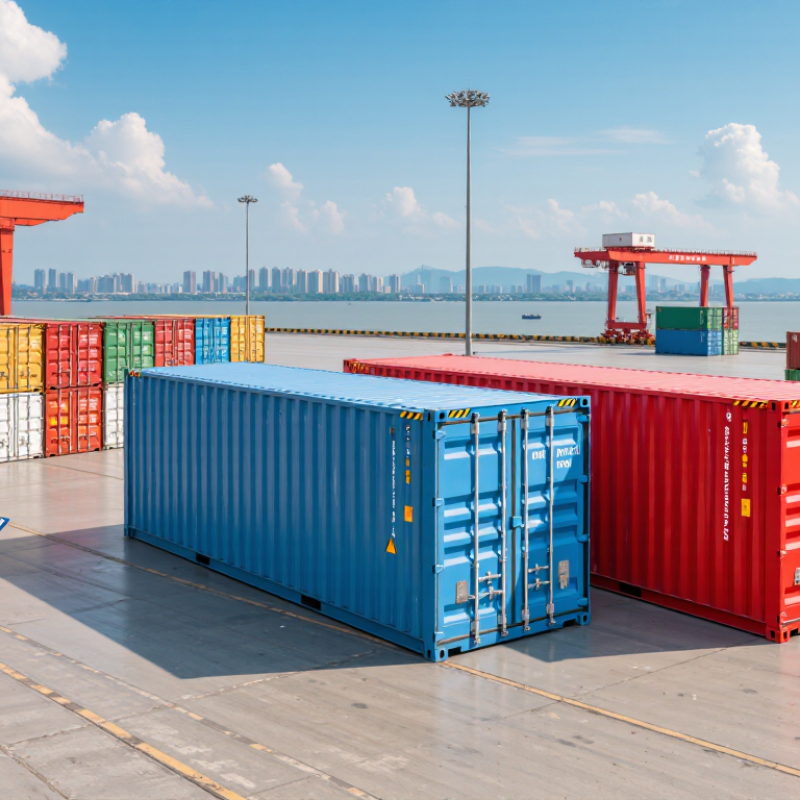
A one-trip shipping container is a newly manufactured container that has usually carried one export load from China to its destination. “One-trip” describes its shipping history, not a promise that it has never been handled or will only be used once. It is typically sold as near-new, often with a cleaner interior, less surface rust, and fewer dents than a used container.

The term is commercial, not a universal condition grade. That distinction matters.

UNCTAD’s Review of Maritime Transport 2024 reports that global container port throughput reached 858.9 million TEU in 2023, up 2.3% from 2022. That scale helps explain why containers move through busy ports before sale.

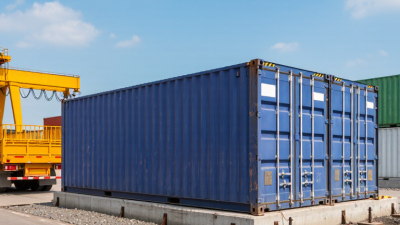
Buyers should check the actual unit, not rely only on its label. Look closely at the floor for soft spots, the doors for smooth movement, and the corner castings and roof for damage or water entry. Ask for clear photos and inspection details.

Small flaws count. A CSC safety plate indicates compliance with applicable container safety requirements; it does not certify that a container is pristine or suitable for every intended use.

One detail is easy to miss: “one trip” can still mean visible handling marks.
Which Factors Affect One-Trip Container Prices in China?

The price of a one-trip shipping container in China depends on more than its age. A 20-foot unit usually costs less than a 40-foot unit, while a high-cube version may carry a premium for extra height. “One trip” generally means the container has made a limited ocean journey, but grading standards can vary between sellers. Ask for recent photos and a written condition description.

Location matters. A container stored near a major port may cost less to collect than one inland, where trucking adds expense. Delivery distance, road access, and unloading arrangements can all change the final quote. Check whether the price includes local transport, taxes, and handling. Small details add up.

Supply and timing also affect prices. Busy shipping periods or limited local stock can push quotes higher, while a larger selection may give buyers more options. Extras such as a lockbox, ventilation, or a custom paint finish increase the cost. A low quote may exclude these items—or delivery. I would compare the full, itemized offer, not just the headline price; even then, photos cannot reveal every dent or floor mark. Ask what inspection is possible before payment.

How Much Do One-Trip Containers Cost by Size?

One-trip container prices in China depend on size, factory location, and current steel and equipment costs. As a rough guide, a 20-foot standard container may cost around US$1,700–2,600. A 40-foot standard unit often falls near US$2,300–3,500, while a 40-foot high-cube container may range from US$2,500–3,800. These are indicative equipment prices, not delivered costs.

A 20-foot unit suits compact shipments and takes less yard space. Its smaller footprint can also make local trucking simpler. The 40-foot standard container offers about twice the floor length, but not twice the price. High-cube models provide extra interior height, useful for taller cargo or bulky loads. That extra space comes at a premium.

Check what each quote includes. Some prices cover only the container at the seller’s depot; transport, loading, and export documentation may be separate. Ask for the exact external dimensions, condition photos, and a written delivery location. A one-trip container is generally used for a single cargo journey, but its condition can still vary. Even clean units may show minor dents or scuffs. Prices move, too, so compare quotes from the same week.

What Additional Costs Can Affect the Final Price?

The listed price for a one-trip container in China may cover only the unit at the seller’s yard. The final figure can change once delivery details are added. Inland trucking depends on the factory or depot location, container size, and distance to the loading port. A 20-foot unit and a 40-foot unit may incur different handling and transport charges. Ask whether the quote includes loading, lifting, and export documentation. Small charges add up.

International shipping can add ocean freight, cargo insurance, terminal handling, and destination port fees. Rates shift with the route, season, equipment availability, and whether the container moves as cargo or travels loaded. At arrival, customs duties or local taxes may apply; confirm these with a qualified customs broker or local authority. Delivery from the port needs checking too. A truck may need a crane or suitable site access, especially if the container must be placed behind a building. Check the route. Request an itemized quote showing origin charges, destination charges, and its validity date. Compare like for like. One detail is easy to miss: unloading.

How Much Does a One Trip Shipping Container Cost in China? - What Additional Costs Can Affect the Final Price?

Indicative planning estimates in USD per container. Actual prices depend on specification, supplier location, route, season, and destination.

Cost item 20ft standard 40ft high cube What it covers / why it varies
One-trip container purchase price $2,000–$3,200 $3,000–$4,800 Indicative equipment-only price in China. Condition, grade, dimensions, availability, and delivery terms affect the quote.
Inland transport in China $150–$600 $200–$800 Haulage from the depot or supplier to the export port; distance, truck availability, and local charges matter.
Export documentation and handling $100–$350 $100–$350 May include export paperwork, terminal handling, and related processing. The quote should specify which charges are included.
Ocean freight to destination $1,000–$5,000+ $1,500–$7,000+ Highly route- and season-dependent. Fuel, capacity, surcharges, and whether the container is shipped empty or loaded can change the rate.
Destination port and terminal charges $300–$1,200 $300–$1,500 Local terminal, handling, and release fees vary by port and carrier; storage or demurrage may apply if collection is delayed.
Customs clearance and inspection $100–$500 $100–$500 Brokerage and inspection costs depend on destination rules, documentation, and whether an examination is required.
Import duty, VAT, or other taxes Varies by country Varies by country Based on destination tariff classification, customs value, and local tax rules. Check with the destination customs authority or a broker.
Final delivery to site $200–$1,500+ $250–$2,000+ Depends on distance, road access, unloading equipment, and whether crane or specialist delivery is needed.
Optional modifications or preparation $100–$1,000+ $150–$1,500+ Examples include repainting, extra locks, insulation, vents, or custom doors. Cost depends on materials and work required.

Note: These broad estimates are for budgeting, not a live quotation. Confirm the container grade, included services, shipping terms, destination charges, and taxes before purchase. Avoid adding charges twice if they are already included in a delivered or freight-inclusive quote.

How Can Buyers Compare Quotes from Chinese Suppliers?

When comparing one-trip container quotes from China, match the specification before comparing price. Confirm the size, external and internal condition, manufacturing date, and whether the quoted unit is actually unused except for one voyage. Ask for dated photos of the floor, roof, door seals, and corner castings. Small differences matter. Check whether the quote is EXW, FOB, or CIF, and name the exact port or delivery address. A low price may exclude origin handling, ocean freight, insurance, destination charges, or inland trucking. Request each cost as a separate line, plus the quote’s currency, validity period, and payment schedule.

Use an independent freight benchmark, not a supplier’s estimate alone. The Shanghai Shipping Exchange publishes the weekly Shanghai Containerized Freight Index, which tracks spot freight rates on major export routes. Compare the relevant route and week, while remembering that a spot index is not a door-to-door offer. UNCTAD’s Review of Maritime Transport 2024 reports that seaborne trade grew 2.4% in 2023 and forecasts 2.0% growth for 2024; demand shifts can affect freight quotes. Ask suppliers to state the sailing date and whether rates can change before booking. I would still question a quote that looks unusually complete but has no named destination charges. Check every line.

Go to Top