How to Purchase a Shipping Container Online?
Buying a shipping container online can look simple, but the decision involves logistics, inspection, documentation, and delivery planning. The right purchase begins with understanding your cargo, site conditions, and local handling requirements. A container that looks suitable on a screen may have dents, floor damage, corrosion, or an unclear service history. Photos can mislead.
UNCTAD’s Review of Maritime Transport 2024 states that maritime shipping carries over 80% of global merchandise trade by volume. This scale supports a broad online market for new, used, and refurbished containers. However, market availability does not guarantee quality. When you purchase a shipping container, check the exact dimensions, door operation, floor condition, weather resistance, and identification number. For international cargo use, verify the CSC safety plate and applicable inspection requirements. The Bureau International des Containers also highlights the importance of standardized container identification and tracking practices.
Reliable sellers should provide clear specifications, recent photographs, delivery terms, and a written condition description. Ask whether the quoted price includes transport, unloading, taxes, and site access. A low price can still be expensive. Ground conditions matter too. A loaded container may require a suitable truck, crane, or prepared foundation.
The process is not flawless. Even experienced buyers can overlook delivery restrictions or underestimate crane clearance. That is why independent inspection, secure payment methods, and documented communication remain valuable. Compare at least several suppliers, confirm their business details, and calculate the complete landed cost before ordering. A careful online purchase is less about finding the cheapest box and more about receiving a safe, usable container at the promised location.
Define Your Shipping Container Needs and Budget
Before purchasing a shipping container online, define its job clearly. Will it store garden tools, protect inventory, or become a workshop? Measure the largest item, then add space for shelves, ventilation, and safe movement. A standard container may look spacious online, but interior dimensions are smaller than expected.
Measure twice. Leave room.
Set a realistic budget beyond the listed price. Include delivery, unloading equipment, ground preparation, taxes, locks, insulation, and possible repairs. A used container with surface rust can be economical, while damaged doors may create expensive problems later. Ask for recent photos, exact dimensions, floor condition, door operation, and wind-and-watertight status. Request these details in writing.
Your delivery site also affects the final cost. Check driveway width, overhead branches, turning space, and ground firmness before ordering. A flat, compacted surface helps prevent shifting and standing water. In my experience, buyers often focus on the container and overlook placement. I once underestimated unloading space, and the revised delivery plan increased the estimate. That mistake was avoidable. Compare several written quotes, confirm what each fee covers, and keep a small reserve for unexpected site work.
Compare Container Types, Sizes, Conditions, and Intended Uses
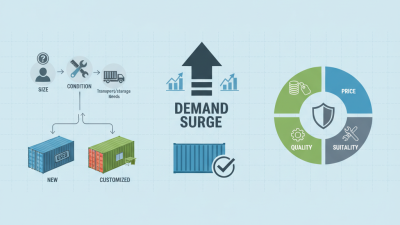
Buying a shipping container online starts with matching the unit to its intended use. A 20-foot dry container suits tools, stock, or a compact site store. A 40-foot unit offers nearly double the floor length, but delivery access matters more than advertised capacity. High-cube models provide extra height for shelving and equipment. Refrigerated, open-top, and side-opening containers serve specialized needs and usually require higher transport and maintenance budgets.
Condition needs careful comparison.
“New” often means one-trip, while used units may be cargo-worthy, wind-and-watertight, or suitable only for storage. Ask for recent photos of the roof, doors, floor, corner posts, and identification plate. Check internal dimensions, tare weight, delivery charges, unloading equipment, and local placement rules.
UNCTAD’s Review of Maritime Transport 2024 recorded approximately 858 million TEU in container port throughput during 2023. That scale supports broad online availability, but it does not guarantee quality. BIMCO reported strong container-fleet growth in 2024, which can also affect regional pricing and supply.
Tips:
Request a written condition report. Confirm the seller’s inspection process. Compare delivered cost, not unit price. A cheap box can become expensive after crane hire, repairs, or restricted access.
I once underestimated turning space on a narrow site; the container arrived, but placement became awkward and costly. Measure the entrance twice. Also, intended modifications deserve professional review because cutting walls can weaken the structure and affect safe use.
Verify Online Sellers, Listings, Certifications, and Customer Reviews
Buying a shipping container online starts with verifying the seller, not comparing photographs.
I check the company’s physical address, registration details, landline, and payment name.
A genuine seller should provide a recent inspection report, serial number, manufacturing plate, and delivery terms.
Be cautious when only a mobile number is available.
That is a warning sign.
The listing must describe the container accurately.
Ask for internal length, width, height, floor condition, door operation, corrosion level, and repair history.
Request timestamped photos of the roof, corners, locking bars, and underside.
Certification matters.
Confirm the CSC safety plate, plate number, inspection date, and permitted gross mass.
The International Convention for Safe Containers requires qualifying units to pass structural safety inspections.
A missing or unreadable plate needs clarification before payment.
Reviews can reveal delivery delays, hidden damage, or poor dispute handling.
Read several recent reviews across independent platforms, not only testimonials on the seller’s website.
The World Bank’s 2023 Logistics Performance Index shows that shipment tracking and service reliability remain central logistics concerns.
These issues affect container deliveries directly.
UNCTAD’s Review of Maritime Transport 2023 also reports that maritime shipping carries over 80% of global merchandise trade by volume, making equipment availability and transport timing highly variable.
I would use escrow or staged payment when possible.
I once trusted polished listing photos too quickly; the delivered floor was weaker than expected.
Ask more questions than feels necessary.
Request Quotes, Inspect Details, and Confirm Delivery Arrangements
How to Purchase a Shipping Container Online?
Requesting quotes is only the first step. Ask for the container’s exact grade, age, dimensions, tare weight, and inspection date. A serious seller should provide clear photographs of the roof, floor, doors, locking bars, and corner castings. Request a written quote that separates the container price, transport, taxes, unloading, and possible storage fees.
UNCTAD’s Review of Maritime Transport 2024 reported that global maritime trade grew 2.4% in 2023, while the world fleet expanded 3.4%. This growth can affect availability, inland transport, and delivery timing. Compare at least three quotes. Confirm whether the price is valid for a fixed period. Online prices sometimes exclude local haulage.
Inspect details carefully. Check for light entering through roof seams, strong odors, water stains, and damaged door seals. Used containers are rarely perfect. That matters. The World Bank’s 2023 Logistics Performance Index gave tracking and tracing an average score of 2.5 out of 5 across surveyed economies, showing why shipment visibility deserves attention. Before payment, confirm the delivery address, truck type, crane or tilt-bed requirements, site access, and unloading surface. Ask for the estimated delivery window and the procedure for reporting damage. I would also request delivery photos and written confirmation of who accepts the container. Small omissions can become expensive mistakes.
Complete the Purchase and Prepare for Container Arrival
Once you select a shipping container, review the complete purchase details before sending payment. Confirm its external and internal dimensions, condition, manufacture date, door operation, and floor quality. Ask for recent photos, including the roof, corners, seals, and underside. Written details matter more than a quick phone promise.
Request a formal quotation showing the container price, delivery charge, taxes, unloading service, and any site fees. Check the payment schedule and cancellation terms carefully. Keep every invoice and message in one folder. A dependable seller should explain the inspection process and provide realistic delivery information. I once underestimated access space on a small project. The container fit the order, but the delivery truck could not turn safely. That mistake changed my preparation checklist.
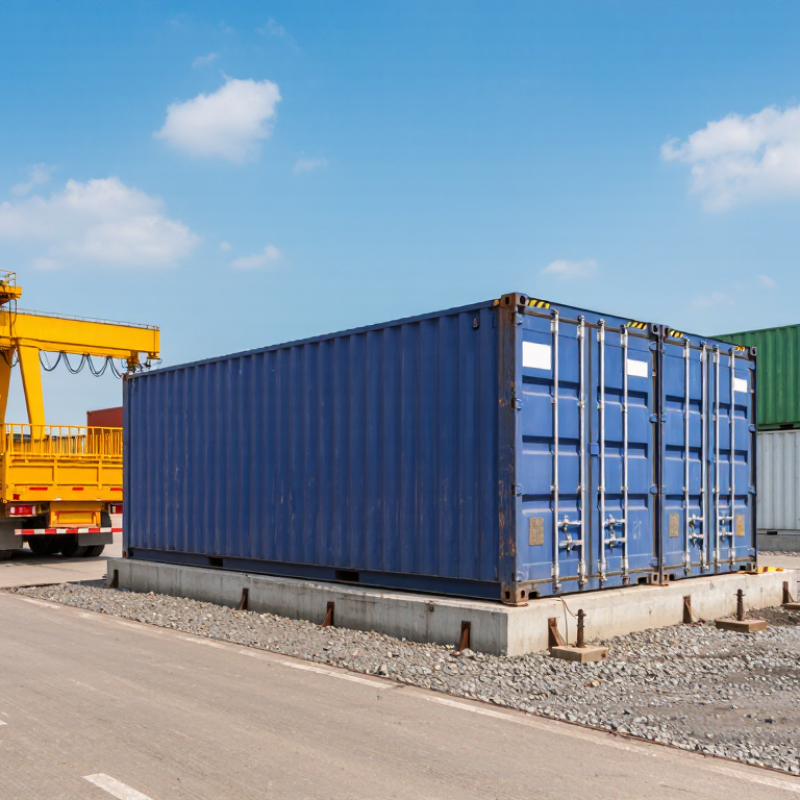
Measure the entrance, road width, overhead cables, gates, and turning area before delivery day. Prepare a level foundation using concrete blocks, steel supports, or another suitable method recommended by a qualified professional. Keep the ground firm and well drained. Remove loose objects near the unloading zone. Make sure an adult is present to inspect the container immediately. Photograph dents, scratches, damaged seals, or floor problems before signing the delivery record. A crane or tilt-bed truck may require extra clearance. Confirm those requirements in writing several days earlier. Plans can still change because of weather, road restrictions, or equipment availability. Stay flexible, but do not accept unclear charges at the last moment.
How to Purchase a Shipping Container Online? – Complete the Purchase and Prepare for Container Arrival
Before completing an online purchase, compare the nominal external dimensions of the selected container with your available delivery, storage, and loading space.
These commonly used ISO container dimensions are shown in millimetres. Actual dimensions may vary slightly by manufacturer, so confirm the supplier’s specification sheet, door clearance, payload, delivery access, and unloading requirements before purchase.