What Is a Side Open Container?
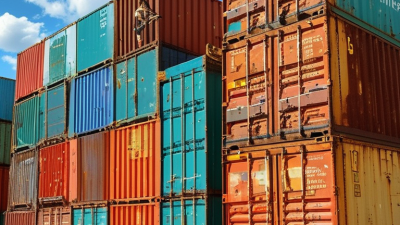
What Is a Side Open Container? A side open container is an intermodal steel container with additional doors along its long side. Unlike a standard end-opening unit, it allows workers to reach cargo from a wider opening. This design helps when forklifts, pallets, machinery, or long materials cannot be positioned efficiently through the rear doors.
The label can mislead.
A side open container is not automatically suitable for every shipment. Door arrangement, internal clearance, floor strength, weather sealing, and locking hardware vary by manufacturer. The International Convention for Safe Containers (CSC) sets safety requirements for approved containers, but it does not make every unit identical. Buyers should check the CSC plate, inspection history, dimensions, and payload rating before use.
Industry scale explains why these details matter. UNCTAD’s Review of Maritime Transport 2023 reported approximately 851 million TEUs in global container port throughput during 2022. At this volume, small handling delays can become expensive operational problems. The World Bank’s Logistics Performance Index 2023 also highlights tracking, infrastructure, and timeliness as important logistics factors. Side access can support these goals by reducing repositioning during loading and unloading.
Still, side access is only one part of the decision. It may improve visibility at a busy warehouse, where a forklift needs a clear 6-meter working side. However, extra doors can require more inspection and careful sealing. Terminology is not perfectly uniform. A reliable specification should describe door locations, dimensions, structural certification, and intended cargo. That practical detail matters more than the product name alone.
Definition and Core Features of a Side Open Container
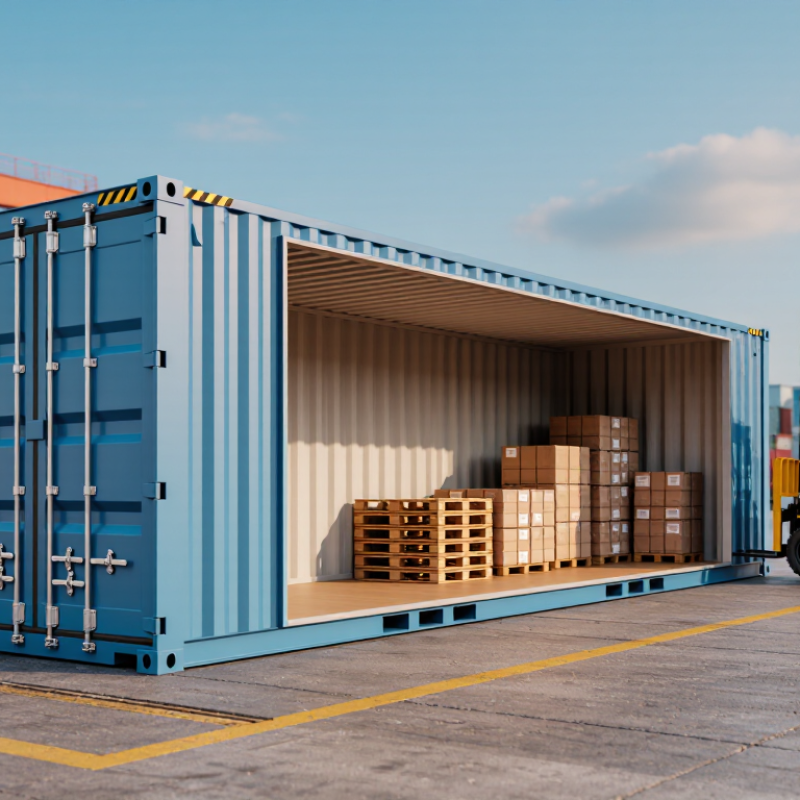
A side open container is a freight container with wide-opening doors along one long side. Unlike standard end-opening models, it provides broad access to the entire cargo area. This design helps workers load pallets, pipes, machinery, furniture, and other long items more safely. Cargo can move directly through the side, reducing awkward lifting and repeated repositioning.
Its core features include a reinforced steel frame, weather-resistant panels, locking doors, and a standard container base. Door sections may open partially or fully, depending on the design. Some models also include removable posts or flexible opening arrangements. In practical use, I have found that side access improves visibility during loading. However, the hinges and locking points need regular inspection. A damaged seal can allow rain, dust, or condensation inside. That detail is easy to overlook.
Tips: Measure the loading space before choosing a unit. Check door clearance, floor condition, and the container’s internal height. Keep heavy cargo balanced across the floor. Use proper restraints to prevent shifting during transport. Inspect the side doors after every handling operation. Do not assume a newer-looking container is automatically stronger; hidden corrosion may exist beneath paint. For reliable selection, review inspection records and confirm the container’s rated capacity with a qualified supplier.
How the Side Opening Mechanism Works
What Is a Side Open Container?
A side open container has large doors along one or both long walls. Unlike standard end-opening units, it provides wider access to the cargo area. This design helps workers load long, bulky, or irregular items with less repositioning. I have found the difference noticeable when using pallets, machinery, and construction materials.
How the Side Opening Mechanism Works
The side doors usually connect through heavy-duty hinges and vertical locking bars. When the bars turn, they release several locking points along the frame. The doors then swing outward, creating a broad loading passage. Rubber seals around the frame help reduce rain, dust, and drafts when the doors close. The container’s floor and corner posts still carry most structural loads, so the doors should not be treated as supports. That detail is easy to overlook.
The mechanism works best on level, stable ground. Uneven surfaces can twist the frame and make the locking bars difficult to operate. Before opening, check for pressure against the doors and keep people outside the swing path. Tips: Inspect hinges, seals, handles, and locking bars before each use. Remove dirt from the tracks and never force a jammed handle. A small obstruction may indicate a larger alignment problem. In practice, side access saves handling time, but it also demands more clearance beside the container. I once underestimated that space. That mistake was avoidable.
Main Types and Structural Configurations
What Is a Side Open Container?
A side open container is a freight unit with one or more large side openings. Unlike a standard container, it allows forklifts to load long, wide, or awkward cargo from the side. UNCTAD’s Review of Maritime Transport reports that more than 80% of global merchandise trade moves by sea. That scale makes loading efficiency a practical design concern, not a minor feature.
Main Types and Structural Configurations
The main type is the full side-open container. Its entire long wall opens through hinged panels, usually supported by locking bars and reinforced corner posts. A partial side-open model has one smaller side door, reducing access but preserving more wall strength. Some configurations use removable center posts. These create a wider opening, though handling becomes slower and more dependent on site equipment.
A side opening may also use swing doors, folding panels, or curtain-style systems. Swing doors offer stronger closure and weather resistance. Curtains load quickly but may provide less protection against impact. The frame normally follows ISO container geometry, with corner castings, a steel floor, and corrugated wall sections. Yet not every side-open unit has identical dimensions or payload limits.
The World Bank’s 2023 Logistics Performance Index assessed logistics systems across 139 economies. Its findings underline the value of reliable handling and predictable transport connections. A field inspection should check hinges, seals, floor deformation, and locking mechanisms. Small faults matter. Designers sometimes overvalue opening width and overlook torsional strength. That is a useful weakness to reconsider.
Common Uses Across Storage and Transportation
What Is a Side Open Container?
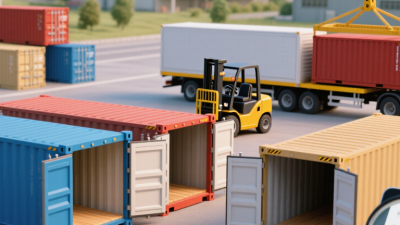
A side open container is a cargo unit with large doors along one or both long walls. Unlike standard end-opening units, it allows access across the container’s full side length. This design helps workers load pallets, pipes, timber, machinery, and boxed equipment without reaching through a narrow doorway. Forklifts can approach from the side, which matters when a loading area has limited turning space. The wide opening is useful.
For storage, side open containers often serve as temporary warehouse extensions. They can hold maintenance supplies, seasonal stock, construction materials, or event equipment. Shelving, pallets, and labeled bins make the interior easier to manage. However, the doors need clear ground space. A crowded site can reduce their practical value. Weather seals, locking bars, and floor condition should be checked before use.
During transportation, side access supports faster loading and more balanced placement of heavy cargo. Workers can distribute weight along the floor instead of stacking everything near the rear doors. Cargo still needs suitable restraints, edge protection, and careful weight planning. A poorly secured load may shift during braking or turning. Door hardware can also wear faster than expected, especially in dusty environments. That detail is easy to overlook. Condensation may affect sensitive goods, so ventilation and moisture protection deserve attention. No container suits every load, and site measurements should guide the final choice.
What Is a Side Open Container? Common Uses Across Storage and Transportation
A side open container has one or more large doors along its long side, allowing forklifts and cranes to load bulky, long, or heavy cargo from the side instead of relying only on the end doors.
Typical internal volume by container format
The figures show commonly published nominal internal capacities for standard container formats. Actual capacity can vary slightly by manufacturer, door design, insulation, and interior fittings.
20-foot side open
Useful for machinery, building materials, palletized goods, and compact storage where side access is important.
40-foot side open
Suitable for longer cargo, construction supplies, industrial components, and high-volume warehouse or project storage.
40-foot high cube
Provides additional vertical space for tall goods, retail fixtures, large crates, and equipment requiring greater loading clearance.
Benefits, Limitations, and Selection Considerations
A side open container is a storage unit with wide doors along one or both long sides. This design allows workers to reach cargo without unloading the entire unit. It is useful for equipment, construction materials, event supplies, and bulky items. A forklift can approach from the side. That changes daily handling.
The main benefit is faster access. Workers can separate tools, pallets, and loose materials more easily. Side doors also support better stock visibility and reduce unnecessary movement. In busy yards, this can save time and lower handling risks. However, more doors create more possible weak points. Hinges, locks, gaskets, and door tracks need regular inspection. Dust and rain may enter when seals age. The wider opening can also reduce usable wall space for shelving.
Selection requires practical measurements, not assumptions. Check the internal length, height, floor strength, and clear door width. Confirm that the container suits forklifts, pallet sizes, and delivery routes. A level foundation matters. Poor placement can twist the frame and make doors difficult to close. Ventilation may be necessary for temperature-sensitive materials, while drainage helps in wet locations. Review the manufacturer’s load data and inspection records before purchase or rental.
A side opening feels convenient.
Yet convenience can hide maintenance costs. Choosing the largest model is not always wise. Smaller units may fit the site better and reduce unused space. My practical preference is to test the door movement, seal contact, and access path before committing. Photos rarely reveal awkward angles or blocked approaches.