Top Small Shipping Container Sizes and Prices?
Choosing a small shipping container can feel simple until dimensions, condition, and delivery costs enter the picture. A six-foot unit may fit garden tools, seasonal stock, or compact equipment. An eight-foot container offers more floor space without overwhelming a narrow driveway. Ten-foot models provide useful storage while remaining easier to position than standard twenty-foot units.
Prices vary widely. New or “one-trip” containers usually cost more than used units with visible dents, faded paint, or surface rust. Local supply, transport distance, door style, ventilation, and locking systems also affect the final quote. A low advertised price may exclude delivery and unloading. That detail matters.
The table ahead compares popular small shipping container sizes, approximate prices, internal capacity, and practical uses. Measurements can differ slightly between manufacturers, so buyers should confirm the specification sheet before ordering. Check the roof, floor, doors, seals, and corner castings carefully. Ask whether the container is weather-resistant and suitable for the intended storage environment. A small shipping container is not automatically the cheapest choice. Sometimes, a larger used unit costs less per cubic foot. That comparison is easy to miss.
These figures are useful planning guides, not guaranteed offers. Regional markets change quickly. Even experienced buyers can underestimate crane access or ground preparation. Measure the site twice. Request a written, itemized quote. This approach supports a safer purchase and reduces unpleasant surprises.
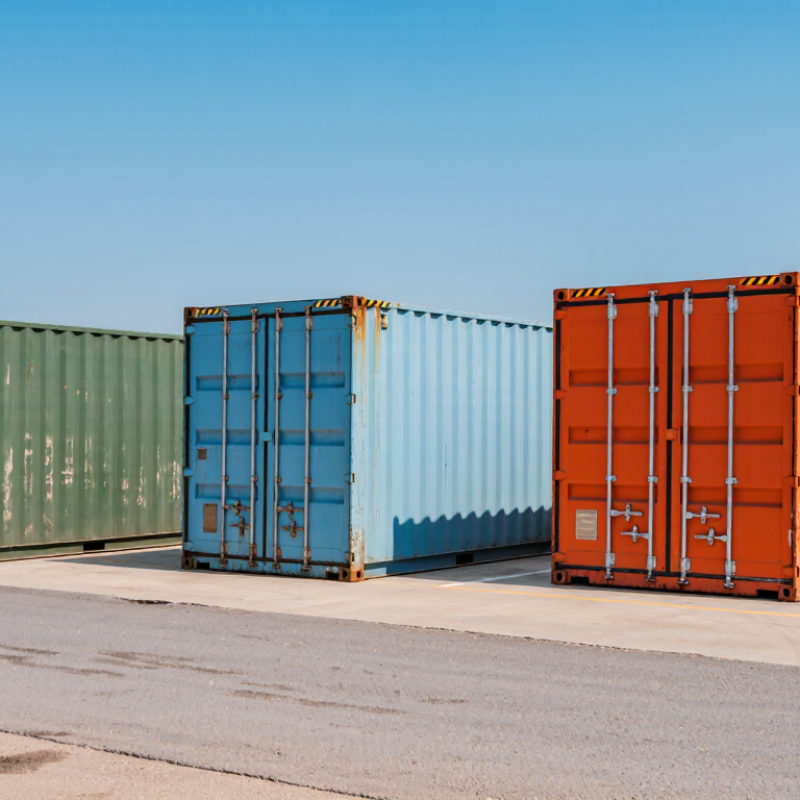
Small Shipping Containers: Definitions, Uses, and Common Types
Small shipping containers are compact steel units designed for secure storage, transport, or temporary workspace.
Common lengths include 6, 8, and 10 feet, usually measuring about 8 feet wide. Internal height often stays near 7 feet 8 inches.
Prices vary widely. A used 6-foot container may cost about $1,200 to $2,500. Newer 8-foot units can range from $2,000 to $4,000. Delivery, ground preparation, locks, and local taxes can add several hundred dollars. These figures are practical estimates, not fixed quotes.
Dry containers
are the most common type. They protect tools, records, furniture, and packaged materials from rain and dust.
Ventilated models
work better where condensation is a concern.
Insulated units
suit temperature-sensitive storage, but they usually cost more.
Some small containers include side doors, ramps, shelving, or electrical fittings.
I have found that an 8-foot unit fits garden equipment better than expected. A 6-foot model can feel cramped quickly. Measure every item before ordering.
Check door seals, floor strength, rust, and container alignment. A damaged corner post may create expensive problems later.
Prices also change with steel costs, availability, and delivery distance. My first budget estimate ignored site leveling, which was a useful mistake.
A firm, accessible surface remains essential.
Typical Prices for Small Shipping Containers
Top Small Shipping Container Sizes and Prices?
Typical Prices for Small Shipping Containers
Small shipping containers usually range from 8 to 20 feet long. An 8-foot unit commonly costs $1,200 to $2,500 used. A 10-foot container often sells for $1,500 to $3,000. Prices can change quickly.
A used 20-foot container typically costs $1,800 to $4,000. New or “one-trip” units may reach $3,000 to $6,000. These 2024 industry dealer-market ranges reflect standard steel containers before delivery, taxes, and modifications. UNCTAD’s Review of Maritime Transport 2024 also reported continuing pressure from freight capacity, equipment availability, and repositioning costs. Those factors affect local container prices.
Condition matters more than size alone. A wind-and-watertight container should have sound door seals, a dry floor, and limited corrosion. Inspect the roof corners carefully. Small dents are usually acceptable. A leaking roof is not.
Delivery may add $300 to $1,500, depending on distance and lifting requirements. Ground preparation, ventilation, shelving, and electrical work create additional costs. In some locations, these extras add 20% to 50% to the purchase price. That estimate is not universal. Remote sites can cost much more.
An experienced buyer should request photos, inspection notes, the container’s location, and the final delivered price. Published prices often exclude transport. That detail is easy to miss.
Top Small Shipping Container Sizes and Prices? - Typical Prices for Small Shipping Containers
| Container Size |
Approx. External Dimensions
(L × W × H) |
Approx. Internal Floor Area |
Approx. Internal Volume |
Typical Used Price |
Typical New Price |
Common Applications |
| 6 ft |
6 ft × 8 ft × 8 ft 6 in
(1.83 m × 2.44 m × 2.59 m) |
Approximately 42 sq ft
(3.9 sq m) |
Approximately 280 cu ft
(7.9 cu m) |
US$1,500–$2,500 |
US$2,500–$4,000 |
Garden storage, tools, small equipment, and compact site storage |
| 8 ft |
8 ft × 8 ft × 8 ft 6 in
(2.44 m × 2.44 m × 2.59 m) |
Approximately 57 sq ft
(5.3 sq m) |
Approximately 380 cu ft
(10.8 cu m) |
US$1,800–$3,000 |
US$3,000–$4,500 |
Residential storage, workshop overflow, seasonal items, and business inventory |
| 10 ft |
10 ft × 8 ft × 8 ft 6 in
(3.05 m × 2.44 m × 2.59 m) |
Approximately 72 sq ft
(6.7 sq m) |
Approximately 490 cu ft
(13.9 cu m) |
US$2,000–$3,500 |
US$3,500–$5,500 |
Small workshops, construction storage, retail stock, and farm supplies |
| 12 ft |
12 ft × 8 ft × 8 ft 6 in
(3.66 m × 2.44 m × 2.59 m) |
Approximately 87 sq ft
(8.1 sq m) |
Approximately 590 cu ft
(16.7 cu m) |
US$2,400–$4,000 |
US$4,000–$6,500 |
Medium-sized storage, mobile workshops, equipment housing, and inventory storage |
| 20 ft Standard |
20 ft × 8 ft × 8 ft 6 in
(6.06 m × 2.44 m × 2.59 m) |
Approximately 146 sq ft
(13.6 sq m) |
Approximately 1,170 cu ft
(33.1 cu m) |
US$2,500–$5,000 |
US$5,000–$8,000 |
Large equipment, commercial inventory, workshop conversion, and long-term storage |
Pricing note: Prices are typical U.S. market ranges in U.S. dollars for standard steel containers and generally exclude delivery, unloading, site preparation, taxes, permits, modifications, and specialized features. Actual prices vary according to condition, cargo doors, floor condition, corrosion, location, availability, and local transport costs.
How to Compare and Choose the Right Small Container
Top Small Shipping Container Sizes and Prices?
How to Compare and Choose the Right Small Container
Small shipping containers usually range from six to ten feet long. A six-foot unit suits garden tools, compact equipment, or seasonal storage. An eight-foot model offers more floor space without dominating a driveway. Ten-foot containers often provide the best balance for household storage.
Typical prices may range from $1,200 to $4,000. Condition, steel thickness, doors, ventilation, and delivery distance affect the final cost. Used containers cost less, but inspect the roof, floor, hinges, and seals carefully. A fresh-looking exterior can hide water damage.
Measure your largest item before comparing prices. Then add space for access and future storage. I once chose a container by footprint alone. That shortcut was a mistake. The door opening was too narrow for my equipment. Check internal dimensions, not only advertised length. Ask for recent photos and a written quote. Confirm whether transport, unloading, locks, and ground preparation are included.
Keep it practical. A slightly larger container may cost less than relocating items later. However, unused space still increases delivery and placement demands. Local weather also matters. In wet areas, raised flooring and roof inspections deserve extra attention. Compare total ownership cost, not just the listed container price.