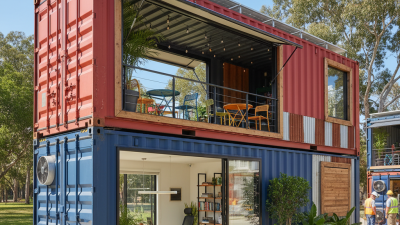
Global shipping is built around standardized containers, but larger is not always better. A small conex container can serve exporters who need controlled space without filling a 20-foot unit. It fits compact workshops, retail inventory, replacement parts, and carefully packed household goods. Space still matters. A half-empty container can create avoidable costs, unused capacity, and difficult cargo movement.
UNCTAD’s Review of Maritime Transport 2024 states that more than 80% of world merchandise trade by volume moves by sea. That scale rewards efficient planning, yet ocean routes remain sensitive to port congestion, equipment availability, and schedule changes. The World Bank’s Logistics Performance Index 2023 also highlights shipment reliability, tracking, infrastructure, and timeliness as core logistics factors. A small conex container may improve handling at the origin, especially where loading access is narrow or storage space is limited. However, it is not automatically the cheapest option. Carrier acceptance, depot availability, inland transport, and consolidation charges must be checked before booking.
The practical details are easy to underestimate. Measure pallets, door clearance, forklift access, and interior height. Leave room for securing materials and inspection access. A 10-foot unit may fit beside a warehouse wall, but its smaller volume can raise the cost per cubic meter. That trade-off matters. ISO container specifications and applicable safety requirements should guide equipment selection, while the shipping line must confirm route compatibility. This article examines why businesses choose a small conex container, where it performs well, and where its compact footprint may become a limitation. The answer depends on cargo, route, and handling conditions—not appearance alone.
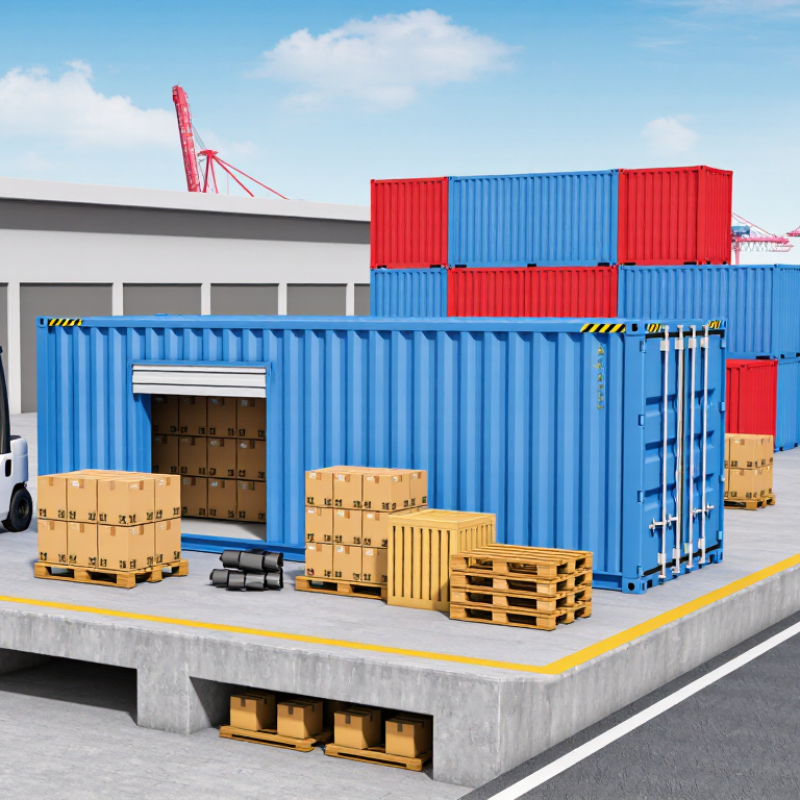
A small Conex container is a compact, steel intermodal unit used to protect and move cargo. Common sizes include 8-foot and 10-foot models. Unlike a standard 20-foot container, it fits narrow yards, smaller warehouses, and limited loading areas. Its compact footprint can reduce unused space around a shipment.
The word “Conex” is widely used in logistics, but it is not a universal technical size category. ISO 668 defines standard container dimensions and ratings, so buyers should verify external measurements, internal capacity, payload, corner fittings, and lifting points. A container may look suitable but fail a handling requirement.
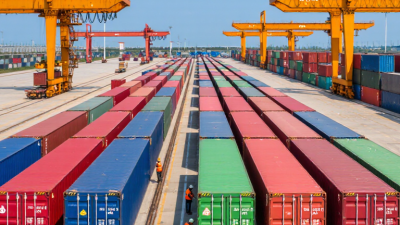
Sea freight remains central to international logistics. UNCTAD’s Review of Maritime Transport 2023 states that more than 80% of global merchandise trade by volume moves by sea. The World Bank and S&P Global’s 2023 Container Port Performance Index also assessed 405 container ports, showing how port efficiency can vary widely. Smaller units may simplify local delivery, but port handling still needs planning.
The trade-off is easy to miss. A small container may lower space waste, yet its cost per cubic meter can be higher. Interior doors, ramps, and forklift access also deserve careful checking. In practice, accurate measurements matter more than the label “small.” That part is often underestimated.
Small conex containers support global shipping by offering controlled space for compact, valuable, or carefully grouped cargo. Their size can reduce unused volume, which helps shippers avoid excessive internal movement during transit. Properly secured goods are less likely to shift when containers are lifted, transferred, or placed on vessels.
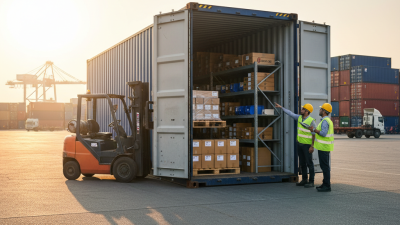
In practice, loading details matter more than container size alone. Use strong pallets, corner protection, and moisture-resistant wrapping where appropriate. Keep heavier items low and distribute weight evenly across the floor. Leave enough room for inspection and safe handling. A small container may also simplify inventory checks because each shipment remains clearly separated. However, small is not always efficient. Poorly measured cargo can create wasted space or force costly repacking. That is an easy mistake to overlook.
Tips: Measure every item before booking. Check doorway clearance, internal dimensions, and maximum payload. Confirm packing requirements with the carrier and destination terminal. Photograph the loaded container, seals, and visible cargo condition. Keep a clear packing list with item counts and weights. These simple records support smoother handoffs and more reliable claims handling if damage appears. Safety rules and documentation requirements can vary between routes, so verify current guidance before dispatch.
Why Choose a Small Conex Container for Global Shipping?
A small conex container can make global shipping more practical when cargo volume is limited. Its compact footprint uses less terminal and warehouse space, especially in crowded urban facilities. Standard dimensions also simplify handling with cranes, trucks, and container yards. For a small exporter, this efficiency can reduce storage charges and avoid paying for unused capacity. Yet size decisions need care.
A smaller unit may cost less to move, store, and prepare for loading. Freight quotes still depend on route, season, weight, and port fees, so savings are not automatic. An experienced shipper measures cartons, pallets, and loading gaps before booking. A simple floor plan can show whether fragile items need separation or whether a larger unit is safer. This hands-on check prevents optimistic estimates.
Cargo protection depends on preparation, not container size alone. Inspect the interior for moisture, sharp edges, and damaged flooring before loading. Use blocking, bracing, corner protection, and moisture absorbers where appropriate. Steel is not enough. Before departure, staff should photograph the container, record its seal number, and verify weight limits. These records improve traceability and reduce disputes. I have seen plans fail when a narrow aisle or unexpected pallet height was ignored. That uncomfortable lesson matters. A small container works best when its limitations are measured honestly, not hidden behind a low initial quote.
Selecting the right container begins with the cargo, route, and handling plan. A small conex container can suit compact machinery, spare parts, or carefully packed household goods. Its reduced volume may prevent wasted space and unnecessary internal movement. Measure every item, including pallets, skids, handles, and protective padding. A few centimeters can change the loading plan.
Check the internal length, width, height, door opening, tare weight, and maximum payload. Specifications vary between container types and manufacturers. Do not rely on exterior dimensions alone. A tall crate may fit inside but fail at the door. Create a simple loading sketch before booking transport. It exposes awkward gaps early.
Sometimes a larger container is safer and more economical.
International acceptance also matters. Some small containers are not accepted on every vessel, rail service, or port route. Ask the freight provider for equipment approval and current route restrictions. Confirm that the container meets required international safety standards and has sound doors, seals, flooring, and corner fittings. Inspect for light entering through the walls. That small detail can reveal water risk.
Use desiccants, blocking, and proper tie-downs when the cargo needs them. Yet these measures are not universal solutions. Humidity, temperature changes, and long storage can still damage sensitive goods.
Review insurance, packing records, and customs documents carefully. A small container saves space only when its limits match the shipment.
Why Choose a Small Conex Container for Global Shipping?
A small conex container can suit shipments that do not fill a standard unit. It reduces unused space and may simplify handling at smaller ports. A typical ten-foot container offers roughly half the floor area of a twenty-foot unit. Exact internal dimensions vary, so confirm the specification sheet before packing. Measure pallets, doors, and aisle clearance carefully.
Shipping requirements still demand attention. Cargo must be packed securely, with weight distributed across the floor. Heavy cartons should stay low and near the center. Leave no loose equipment inside. The total gross weight must remain within the container and transport limits. Some carriers require approved identification plates, inspection records, and accurate cargo descriptions. Customs paperwork must match the physical contents, quantities, and declared values. Requirements differ by destination, transit route, and cargo type. Check current rules with the carrier and a qualified customs professional.
Small containers have real limitations. Their narrow doors can restrict large machinery and oversized pallets. A small error in measurements can cause expensive repacking. Port availability may also be lower than for larger containers. That risk is easy to overlook. Moisture control matters during long ocean voyages, especially with wood, textiles, or sensitive metal parts. Use suitable protection, ventilation planning, and internal bracing. A loading diagram helps, but it cannot replace a final hands-on inspection. In some cases, consolidated freight or a larger container may be more practical.
| Evaluation Area | Typical Data or Requirement | Shipping Implication | Practical Consideration |
|---|---|---|---|
|
Container Type Small conex container |
Common small formats include approximately 8 ft and 10 ft units. Their dimensions, corner fittings, floor design, and certifications can vary because smaller units are not as universally standardized as 20 ft or 40 ft ISO containers. | A smaller container can be useful when the cargo volume is insufficient to justify a full-size container, but acceptance for ocean, rail, or intermodal transport is not automatic. | Confirm the exact external dimensions, gross-weight rating, corner fittings, lifting points, and transport certification before booking. |
|
Space Efficiency Typical internal capacity |
A common 10 ft container has an internal length of about 2.8 m, an internal width of about 2.3 m, and an internal height of about 2.3–2.4 m. Actual dimensions vary by construction and door arrangement. | It can accommodate compact machinery, spare parts, household goods, samples, or project cargo without paying for unused space in a 20 ft container. | Measure the packed cargo, including pallets, protective framing, blocking, and clearance needed for loading equipment. |
|
Reference Container Standard 20 ft dry container |
Typical external dimensions are approximately 6.06 m long × 2.44 m wide × 2.59 m high. Internal dimensions are commonly around 5.9 m × 2.35 m × 2.39 m, subject to manufacturer and equipment variation. | A 20 ft unit is more widely accepted in international ocean, rail, and road networks than a small non-standard unit. | Compare the small-container rate with a 20 ft rate after including handling, transloading, documentation, and inland delivery charges. |
|
Weight Limits Gross and payload limits |
Many standard 20 ft dry containers have a maximum gross mass near 30,480 kg, with a tare mass commonly around 2,200–2,400 kg. Small units may have substantially lower ratings and must follow the rating plate. | A small container may save volume but not necessarily weight capacity. Dense cargo can reach the permitted gross mass before the container is full. | Calculate cargo weight plus pallets, packaging, dunnage, and container tare. Never rely on volume alone when shipping metal, stone, machinery, batteries, or other dense goods. |
|
Verified Gross Mass SOLAS requirement |
For packed containers transported by sea, the shipper must provide the verified gross mass before loading. The value is generally obtained by weighing the packed container or by weighing all cargo and components and adding the tare mass. | Missing, late, or inconsistent weight information can cause holds, rollovers, or refusal to load. | Use a calibrated scale or an approved weighing process and submit the verified gross mass within the carrier or terminal cut-off time. |
|
Container Certification CSC and inspection status |
International ocean transport generally requires an eligible container with a valid safety approval plate under the International Convention for Safe Containers. The plate identifies key safety information, including maximum gross mass and inspection details. | A storage container or domestic-use unit may not be accepted for international carriage even if it appears structurally sound. | Inspect the approval plate, structural condition, doors, locking bars, floor, roof, and lifting points before export packing. |
|
Intermodal Acceptance Ocean, rail, and road compatibility |
Standard ISO containers are designed around common corner fittings and handling systems. Many small containers use different lifting or securing arrangements and may require special handling. | Direct port-to-port movement may be unavailable. Cargo may need to be transferred into a standard container or loaded onto a flat rack, trailer, or other transport equipment. | Obtain written confirmation from the ocean carrier, freight forwarder, terminal, rail operator, and final-mile haulier before purchasing or packing the unit. |
|
Port and Terminal Handling Equipment availability |
Ports commonly use spreaders, cranes, and handling equipment configured for standard container sizes. Smaller or non-standard units may require slings, special frames, forklifts, or manual handling. | Additional lifting charges, handling restrictions, storage fees, or schedule delays may apply. | Confirm whether the origin and destination terminals can lift the container safely and whether special equipment must be reserved in advance. |
|
Road Transport Local delivery limits |
Road weight limits, axle-load rules, vehicle dimensions, bridge restrictions, and route permits vary by country and jurisdiction. A container that meets ocean requirements may still exceed local road limits when loaded. | Inland transport can become the controlling limitation, particularly for dense cargo or deliveries to urban, rural, or restricted-access locations. | Check vehicle capacity, axle distribution, route clearance, delivery-site access, crane requirements, and any permit needs before dispatch. |
|
Cargo Protection Weather and structural condition |
A sound container should have an intact roof, watertight seams, functioning door gaskets, a dry floor, and no significant corrosion or holes. Cargo should be blocked, braced, and protected against movement and condensation. | Smaller containers can reduce unused space, but poor packing may increase the risk of shifting, impact damage, moisture damage, or uneven weight distribution. | Use suitable dunnage, lashing, edge protection, moisture control, and a loading plan. Keep the center of gravity low and distribute weight evenly. |
|
Dangerous Goods Regulated cargo |
Dangerous goods shipped by sea must comply with the applicable International Maritime Dangerous Goods requirements, including classification, packaging, marks, labels, documentation, and segregation. | Small size does not exempt cargo from dangerous-goods rules. Some substances may be prohibited or subject to quantity, packaging, or carrier restrictions. | Classify the cargo before booking and use trained personnel or a qualified dangerous-goods adviser for documentation and packing decisions. |
|
Customs and Documentation Export and import records |
Typical documents may include a commercial invoice, packing list, transport document, customs declarations, verified gross mass, permits, certificates of origin, and cargo-specific certificates. | A smaller container does not reduce customs obligations. Inaccurate descriptions, weights, values, or tariff information can delay clearance. | Make sure the container number, seal number, package count, cargo description, gross weight, and declared value are consistent across all documents. |
|
Loading Access Door and equipment clearance |
Door openings are smaller than external container dimensions. A typical standard container door opening is approximately 2.34 m wide × 2.28 m high, but small-unit openings may differ. | Oversized crates, tall machinery, or wide pallets may not pass through the doors even when their total volume appears suitable. | Compare the largest packed piece with the actual door opening and plan forklift, pallet jack, ramp, or crane access at both ends of the journey. |
|
Cost Comparison Total landed cost |
The freight rate is only one part of the cost. Other charges may include pickup, special handling, terminal fees, transloading, storage, customs processing, equipment rental, inspection, and final delivery. | A small container may be economical for low-volume cargo, but non-standard handling can eliminate the expected savings. | Compare complete door-to-door quotations using the same origin, destination, cargo weight, dimensions, service level, and delivery terms. |
|
Best-Fit Use Cases When a small unit is practical |
Suitable examples include limited-volume project cargo, equipment parts, trade samples, personal effects, seasonal inventory, and goods requiring dedicated segregation from other cargo. | The shipper may gain better space utilization, simpler inventory control, and reduced internal movement of cargo. | Choose the small unit only when the carrier network, certification, handling plan, and total delivered cost have been confirmed. |
|
Main Limitations When another solution is better |
A small conex container may be unsuitable when the unit lacks international certification, has non-standard lifting points, cannot be accepted by the destination terminal, or cannot accommodate the cargo through its doors. | The shipment may require repacking into a standard ISO container, use of a flat rack, consolidated freight, or another specialized transport method. | Treat small-container shipping as a route-specific solution rather than a universally interchangeable alternative to a standard 20 ft container. |

Note: Dimensions, weight ratings, terminal acceptance, road limits, and documentation requirements vary by container design, route, country, and transport provider. Confirm the container’s rating plate and obtain route-specific approval before shipment.

© Copyright 2025 | CONTAINERED – SHIPPING CONTAINER HOMES IN MELBOURNE