2026 Top Small Sea Container Sizes Prices and Uses
Small sea container demand is growing as businesses seek compact, secure storage and flexible transport options. This guide examines the leading sizes, 2026 price ranges, and practical uses for homes, retailers, farms, workshops, and construction sites. Common options include 6-foot, 8-foot, and 10-foot containers. A standard 20-foot unit is also included for comparison.
Dimensions follow ISO 668 principles, but actual internal space varies by manufacturer, door design, flooring, and insulation. That detail matters. A 10-foot container may offer roughly 15 to 18 cubic metres of usable volume, while a 6-foot model suits tools, seasonal stock, or compact equipment. Prices can range from about US$1,500 for a used unit to more than US$6,000 for a new, modified model. Delivery, crane access, paint condition, locks, ventilation, and local taxes can change the final cost sharply.
Industry data provides useful context. UNCTAD’s Review of Maritime Transport 2024 describes continued expansion in seaborne trade, while highlighting network disruption, capacity changes, and rising operational uncertainty. Drewry’s World Container Index and the Freightos Baltic Index track larger-container freight movements, not small sea container retail prices. Their signals still help explain why transport costs shift. Container xChange market reporting also shows strong regional differences between container availability and resale values. Prices move. A neat table can mislead. This article therefore treats every figure as an informed estimate, not a promise. Measure twice. Check local delivery conditions carefully.
Small Sea Container Types and Standard Sizes in 2026
Small Sea Container Types and Standard Sizes in 2026
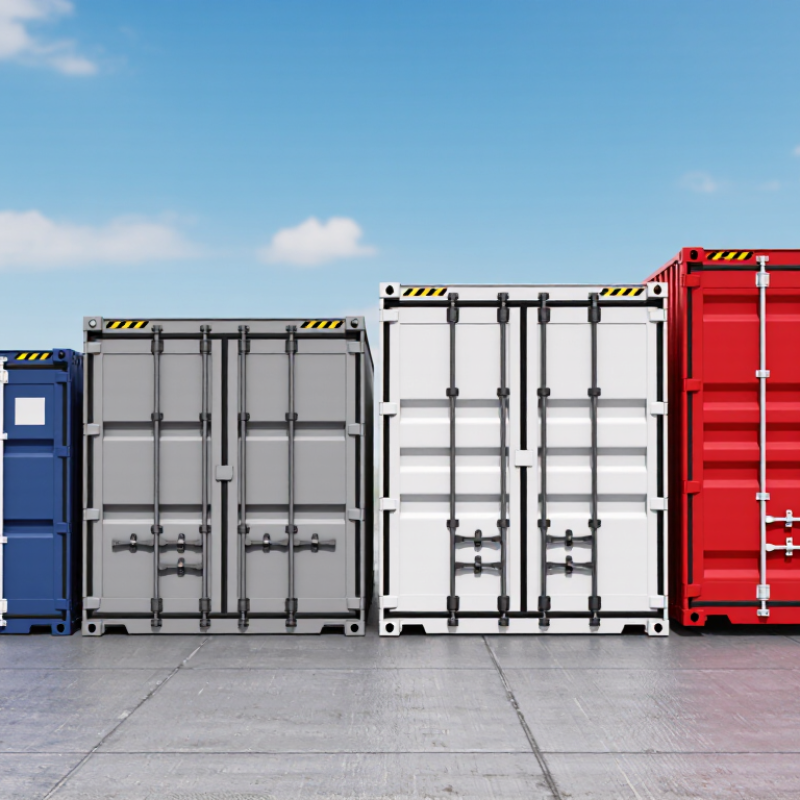
In 2026, small sea containers usually range from 6 to 12 feet long. Most have an external width of 8 feet and a standard height of 8 feet 6 inches. Compact 6-foot units suit tools, garden equipment, and short-term storage. Eight-foot and 10-foot containers offer more practical floor space for household items, motorcycles, or workshop materials. A 12-foot model can hold bulky equipment while using less yard space than a 20-foot container.
Common types include standard dry containers, high-cube containers, open-side units, and insulated containers. Standard dry units are the most affordable choice for general storage. High-cube versions add about one foot of internal height, although they are less common in very short lengths. Open-side designs improve access for wide loads. Insulated units help reduce temperature changes, but they usually cost more.
Prices vary by region, age, condition, delivery distance, and certification. In many markets, a used small container may cost about 1,200 to 3,500 US dollars before transport. Newer or modified units can exceed that range. Check the floor, door seals, corner posts, and roof carefully. The label “standard” can mislead. Internal dimensions are always smaller, and a seller’s listed size may exclude fittings or external frames. Measure the available site before ordering, including crane access and door clearance. That small step prevents an expensive mistake.
2026 Price Ranges and Factors Affecting Costs
2026 Top Small Sea Container Sizes Prices and Uses
In 2026, small sea containers usually include 6-foot, 8-foot, and 10-foot models. A new 6-foot container may cost about $1,500–$2,800. Used units often range from $900–$1,800, depending on condition and location. An 8-foot model commonly sells for $1,800–$3,200 new, while used prices may fall between $1,100 and $2,100. A 10-foot container can reach $2,200–$4,000 when new. These figures are practical estimates, not fixed promises.
Delivery can change the final price sharply. A small container may cost less than a larger unit, but transport access still matters. Narrow roads, weak ground, or crane requirements can add several hundred dollars. Local taxes and unloading fees also vary. They are easy to overlook. Steel thickness, door design, flooring, ventilation, and weatherproofing affect the base cost. A recently used container may look clean but hide floor damage or door misalignment.
A 6-foot unit suits garden tools, records, or compact equipment. An 8-foot model offers useful storage for seasonal furniture and workshop materials. A 10-foot container gives more room for stock, bicycles, or site supplies without needing a full 20-foot unit. Buyers should inspect roof seams, corner posts, locking bars, and interior odors before payment. I have found that advertised condition can be too optimistic. Ask for current photos, measurements, and delivery terms in writing. Certified units may cost more when they require documented structural and safety checks.
2026 Top Small Sea Container Sizes, Prices and Uses
Indicative 2026 purchase-price ranges for new or one-trip steel sea containers. Actual costs vary by location, delivery distance, condition, certification, doors, ventilation, and customization.
Typical uses: 6 ft containers suit compact tool storage, 8 ft units work well for garden and site storage, 10 ft units provide additional workspace or equipment capacity, and 20 ft units are commonly used for larger storage, workshops, and commercial inventory.
Common Uses of Small Sea Containers
Common Uses of Small Sea Containers
Small sea containers usually range from 6 to 10 feet long. A standard 10-foot unit provides about 14 cubic metres of internal space. It fits beside a workshop, farm building, or urban construction site. ISO container standards support consistent handling, lifting, and weather protection across transport networks.
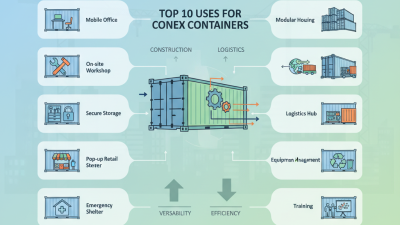
Their most common use is secure storage. Contractors store tools, cable, tiles, and compact machinery inside. Farmers use them for feed, irrigation parts, and seasonal equipment. Small retailers may convert units into temporary kiosks or collection rooms. According to UNCTAD’s Review of Maritime Transport 2024, around 80% of global merchandise trade by volume moves by sea. That scale explains why containers are built for repeated handling and harsh conditions.
Small units also support site offices, archive rooms, electrical enclosures, and mobile workshops. Container xChange market reports show that container prices and availability change by location, age, and depot supply. A used 10-foot container may cost less, but corrosion and door alignment need careful inspection. It is not always the cheaper choice. I have seen buyers ignore ventilation, then find condensation damaging cardboard boxes within weeks. Add air vents, raised flooring, and a strong lock. Check local planning rules before placing one. A practical mistake remains a costly one.
How to Choose the Right Small Sea Container
How to Choose the Right Small Sea Container
Choosing a small sea container starts with measuring the items, not guessing from photographs. Common options include six-, eight-, and ten-foot units. A six-foot container suits garden tools, records, or compact workshop supplies. An eight-foot model offers more room without consuming much driveway space. A ten-foot unit works better for furniture, seasonal equipment, or several storage shelves.
Leave walking space inside. Packed walls make access difficult. Measure door width, ceiling height, and the tallest item. Check the internal dimensions, because external measurements can be misleading. Inspect the floor, corner posts, door seals, and locking bars before purchase. Rust near the roof or frame may signal future repair costs. Ventilation also matters in humid areas.
Prices depend on size, condition, location, delivery distance, and modifications. A used container may cost less initially, but repainting or floor repairs can change the final budget. My early estimate was too optimistic. Delivery often became the expensive part, especially when access was narrow. Ask whether the quotation includes unloading and positioning. Confirm ground preparation and local placement requirements before ordering. Keep heavier items low and distribute weight evenly. That small detail improves stability and makes daily use safer.