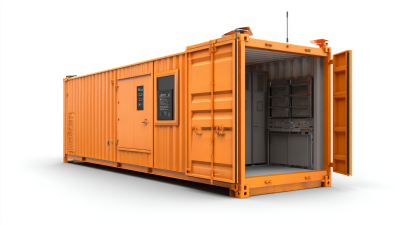
Choosing an open side storage container is not simply a matter of selecting the largest available box. The right unit must match your access needs, stored materials, site conditions, and handling equipment. A workshop may need full-length side access for steel bars, timber, machinery, or palletized goods. A retail site may value cleaner finishes and faster stock movement.
Container industry consultant Mike Wilson puts it plainly: “Access determines usefulness.” That short observation deserves attention. A container with strong steel walls can still become frustrating when workers cannot reach the rear safely. Measure the loading area carefully. Check door clearance, ground level, forklift paths, ventilation, locking hardware, and weather seals. Small oversights often create daily delays.
This guide explains how to choose an open side storage container with practical judgment. It considers dimensions, materials, security, corrosion protection, delivery restrictions, and long-term maintenance. New containers may offer cleaner surfaces and more predictable performance. Used units can cost less, but dents, rust, warped doors, or repaired frames need close inspection. Appearances can mislead.
Think beyond purchase price. Ask how often the side doors will open, how heavy the contents are, and whether the container may move later. A level, compact site helps, but real locations are rarely perfect. Drainage may be poor. Access may be narrow. Your first choice might still need revision after a site inspection. That is not failure; it is responsible planning. The following sections provide a clearer way to compare options and avoid expensive assumptions.
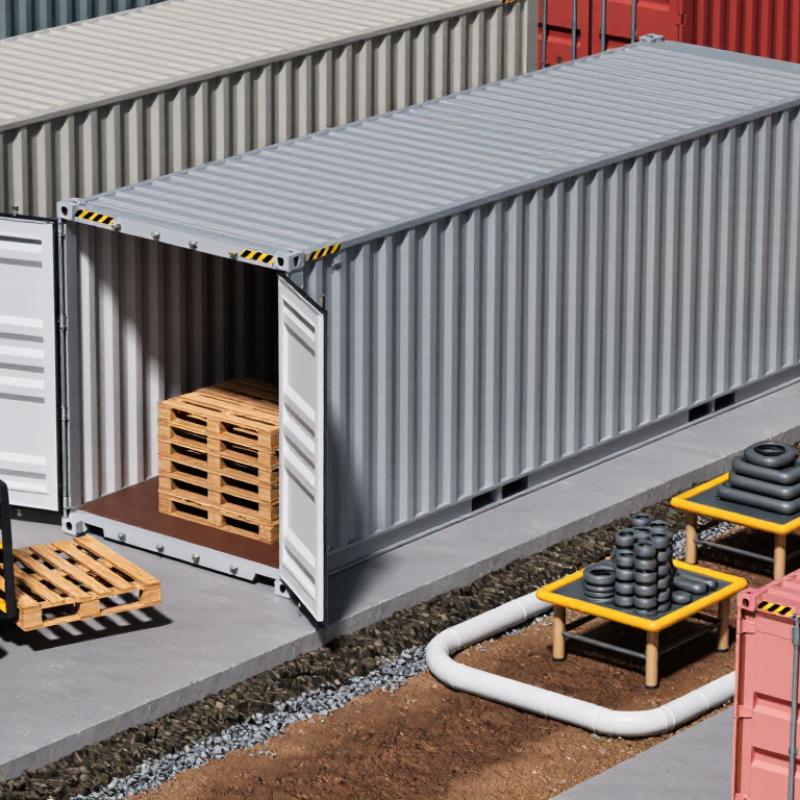
An open side storage container should match the work, not merely the available space. Define the cargo first. Pallets, long steel sections, furniture, and machinery need different access patterns. If workers load from one side, a full-width opening can reduce repeated handling and forklift travel. That matters in busy yards.
Measure every item, including packaging and turning clearance. ISO 668:2020 specifies standard container dimensions, but usable space changes with doors, internal ribs, and flooring. A 2.4-meter-wide load may fit technically, yet leave no safe operating room. It may be a poor choice. The U.S. Bureau of Labor Statistics reported 395 fatal workplace injuries involving forklifts and other powered industrial trucks in 2023. Clear loading paths deserve serious attention. Keep heavy cargo low, distribute weight evenly, and confirm the container’s rated payload before loading.
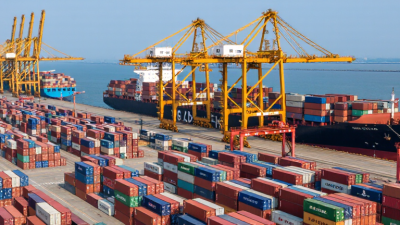
Consider the loading rhythm too. UNCTAD’s Review of Maritime Transport 2024 reported that global maritime trade grew by 2.4% in 2023. More movement can mean more frequent access and faster dispatch requirements. An open-side unit suits operations needing side access, temporary staging, or selective unloading. It may not suit weather-sensitive goods without added protection. I have seen plans focus on cubic capacity while ignoring door-side congestion. That mistake is easy to repeat. Check forklift dimensions, ground conditions, lifting points, ventilation, and the number of daily loading cycles before choosing the final configuration.
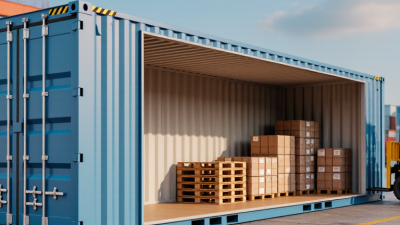
How to Choose an Open Side Storage Container?
Choosing the right open side storage container starts with its working dimensions. A 10-foot unit suits tools, cartons, and short-term stock. A 20-foot unit offers more floor space without becoming difficult to position. A 40-foot model provides greater capacity, but it needs a longer, stronger installation area. Measure the site, not just the container. Leave room for delivery, door movement, and safe access around the unit.
Door configuration changes daily handling. Full-length side doors allow forklifts and workers to reach items from several points. End doors can support simple loading routines, but they may create deeper storage zones. Check the clear opening, sill height, locking system, and door swing. Internal capacity should include usable floor area, not only the advertised cubic volume. Shelving, pallets, insulation, and wheel arches can reduce practical space. I once underestimated aisle width, and the “large” container became awkward to use.
Tips: Sketch your largest items first. Compare their height, width, and turning space with the internal measurements. Keep frequently used goods near the side opening. Do not fill every corner. A small access gap can prevent costly unloading later. Ask for verified internal dimensions, because construction tolerances and door hardware may vary. Also inspect ventilation and moisture control before storing sensitive materials. A container that looks spacious may still perform poorly when access is limited.
How to Choose an Open Side Storage Container?
Material selection affects service life before the container reaches your site. Weathering steel offers strong load-bearing performance, but exposed cut edges can rust quickly. The NACE IMPACT study estimated global corrosion costs at 3.4% of worldwide GDP. That figure makes small coating defects worth investigating. Check welds, door frames, hinges, and floor supports closely. Look for continuous welds and a documented coating system. Galvanized hardware helps, though it is not maintenance-free. Coastal air is unforgiving.
Weather resistance requires more than a sealed roof. NOAA recorded 28 billion-dollar weather and climate disasters in the United States during 2023. Wind, heavy rain, and temperature swings can stress weak panels and seals. Choose replaceable gaskets, raised floor clearance, and clear drainage paths. Inspect the container after rain. Water often hides beneath the floor.
Structural durability deserves careful attention after side access is added. ISO 1496-1 provides strength and testing requirements for freight containers, but modifications can change load paths. Ask for reinforcement drawings, corner-post details, floor-load ratings, and inspection records. The open side should not flex noticeably when doors move. It should feel boring. That is good. I would also question perfect-looking paint; fresh coating can conceal pitting or poor preparation. Verify measurements on site, because supplier sheets can be incomplete. A practical trial load, performed safely, may reveal vibration, uneven doors, or frame movement before long-term storage begins.
| Container Material | Typical Construction | Weather Resistance | Structural Durability | Corrosion and Moisture Performance | Maintenance Requirements | Best-Suited Applications |
|---|---|---|---|---|---|---|
| Galvanized Steel | Carbon-steel panels, frames, or corrugated sheets protected with a zinc coating. | Very Good Performs well outdoors when the coating remains intact and drainage is adequate. |
Excellent High stiffness and impact resistance; suitable for heavy loads when properly engineered. |
Good resistance to general moisture exposure. Cut edges, scratches, and trapped water can eventually develop rust. | Inspect for coating damage, clean debris from joints, and touch up exposed steel with a compatible protective coating. | General outdoor storage, tools, equipment, construction materials, and industrial goods. |
| Weathering Steel | Low-alloy steel designed to form a protective oxide layer under suitable wet-dry atmospheric conditions. | Good Works best in ventilated environments with regular drying and limited salt exposure. |
Excellent Steel construction provides strong resistance to impact and deformation. |
Not ideal for continuously damp, sheltered, or marine environments; runoff may stain nearby surfaces during early weathering. | Keep surfaces ventilated, prevent standing water, and check whether the oxide layer is developing uniformly. | Landscaping, agricultural storage, architectural installations, and dry outdoor environments. |
| Aluminum | Aluminum sheet or extruded frame, sometimes combined with reinforced corners and floor supports. | Very Good Natural oxide formation provides useful protection in many outdoor conditions. |
Good Lightweight and corrosion-resistant, but generally less stiff and more dent-prone than steel of similar thickness. |
Strong resistance to atmospheric corrosion; contact with dissimilar metals and saltwater can require isolation measures. | Rinse salt or dirt from the surface, inspect fasteners, and protect areas where different metals touch. | Portable storage, coastal applications, mobile equipment, and situations where low weight is important. |
| High-Density Polyethylene (HDPE) | Rotationally molded or fabricated plastic panels with molded ribs or an internal support frame. | Very Good Does not rust and can resist rain and many common chemicals when UV-stabilized. |
Moderate Resists dents and moisture but may flex, creep, or become brittle if poorly formulated or heavily loaded. |
Excellent resistance to water and many chemicals; prolonged sunlight requires verified UV stabilization. | Wash periodically, check for UV degradation or cracks, and avoid exceeding the specified load capacity. | Garden supplies, waste storage, light-duty equipment, and damp or chemically exposed locations. |
| Fiberglass-Reinforced Plastic (FRP) | Resin panels reinforced with glass fibers, typically formed around a rigid frame or molded structure. | Very Good Handles rain and humidity well; surface quality depends on the resin and UV protection. |
Good Good strength-to-weight ratio, although severe impact can cause cracking or delamination. |
Resistant to rust and many corrosive atmospheres; inspect damaged areas because water can enter through cracks. | Clean with mild detergent, inspect seams and fasteners, and repair damaged laminate or gel coat promptly. | Marine-adjacent areas, chemical-service environments, utility storage, and lightweight enclosures. |
Selection note: Actual performance depends on material thickness, frame design, floor capacity, welds or fasteners, protective coatings, drainage, wind exposure, UV stabilizers, and the local climate. Always verify the manufacturer’s tested load rating and installation requirements before placing heavy or valuable contents inside an open-side storage container.
Access should guide your decision. Measure the working aisle, door clearance, and loading height before ordering. Side-opening doors help workers reach pallets without climbing inside. However, wide access creates more moving parts. Inspect hinges, seals, locking bars, and door alignment during every site visit. A practical mistake is choosing maximum door width without planning forklift movement.
Security needs more than a padlock. Select steel locking bars, protected lock points, and tamper-resistant hardware. Add lighting and camera coverage where valuable equipment is stored.
The World Shipping Council’s Containers Lost at Sea report recorded 221 containers lost in 2023, representing about 0.0002% of containers transported. That figure concerns transport, not storage, but it reinforces disciplined handling and inspection.
Ventilation controls heat, moisture, and condensation. Look for high and low vents that support continuous airflow. Avoid blocking them with boxes or insulation. Check for water marks after rain.
Handling requirements deserve equal attention. Confirm corner castings, forklift pockets, ground bearing capacity, and load distribution against ISO 1496-1 guidance and the container’s inspection records. Keep heavy items low and centered. Never assume an empty container is easy to move.
My own checklist would include door operation, floor condition, drainage, and lifting access. It may feel excessive, but missed details become expensive quickly.
How to Choose an Open Side Storage Container?
Confirm the placement conditions before comparing container prices. Measure the available length, width, and height twice. Leave clear space beside the opening for loading equipment and safe movement. Check whether the ground is level, compacted, and able to support the loaded unit. Standing water can damage flooring and stored materials. Inspect overhead cables, narrow gates, turning areas, and nearby structures. A site drawing helps, but actual measurements matter more.
Compliance should cover load limits, lifting points, ventilation needs, fire precautions, and local placement rules. Request inspection records, material specifications, and delivery documentation from the supplier. The container should match the intended goods and handling method. Do not rely on a familiar size alone. An open side may improve access, but it can also require stronger security and weather protection. Requirements may differ between industrial, commercial, and temporary sites.
Delivery planning often reveals hidden costs. Confirm the truck type, unloading method, road width, and crane or forklift requirements. Ask whether permits, escorts, or timed access are necessary. Calculate the full cost, including preparation, transport, unloading, installation, locks, repairs, insurance, and removal. A low rental price can become expensive after site work and repeated handling. I would recheck the turning radius before ordering. That detail is easy to miss. Keep a small contingency for poor ground conditions or delayed access.
Compare the typical external dimensions of 20-foot and 40-foot ISO open-side containers before confirming placement, access clearance, delivery logistics, and total cost.
Key considerations: Confirm that the site has enough length, width, height, turning space, and unloading access. Check the CSC safety plate and applicable local requirements, then compare transport, crane or forklift handling, installation, rental, maintenance, and removal costs—not only the purchase price.

© Copyright 2025 | CONTAINERED – SHIPPING CONTAINER HOMES IN MELBOURNE