How to Purchase a Shipping Container from China?
Buying a container from China can look simple until specifications, shipping, and paperwork collide. The steel box is only one part of the transaction. You must also assess the supplier, factory standards, export experience, and delivery conditions.
This guide explains how to purchase a shipping container with fewer surprises. It covers new, used, and converted units, including common choices such as 20-foot and 40-foot containers. You will learn how to compare quotations, verify dimensions, inspect door seals, and check corrosion around the floor and corner posts. Small details matter. A damaged gasket can allow rainwater inside during a long voyage.
Reliable sourcing starts with clear communication. Ask for recent factory photographs, production records, material specifications, and an inspection plan. A third-party inspection can confirm measurements, welding quality, paint condition, and container numbers before shipment. Never rely only on polished online images.
Costs require equal care. Your budget may include the container price, inland transport, ocean freight, insurance, port charges, customs duties, and local delivery. Confirm the agreed Incoterm in writing. Get every important promise on the commercial invoice or purchase contract.
There is no perfect checklist. A rushed inspection may miss a hidden repair. I have learned that transparent suppliers welcome precise questions, while vague answers deserve a pause. Regulations also differ by destination, so consult qualified customs and logistics professionals before payment. The safest purchase is not always the cheapest one. It is the one supported by evidence, realistic timelines, and responsible decisions.
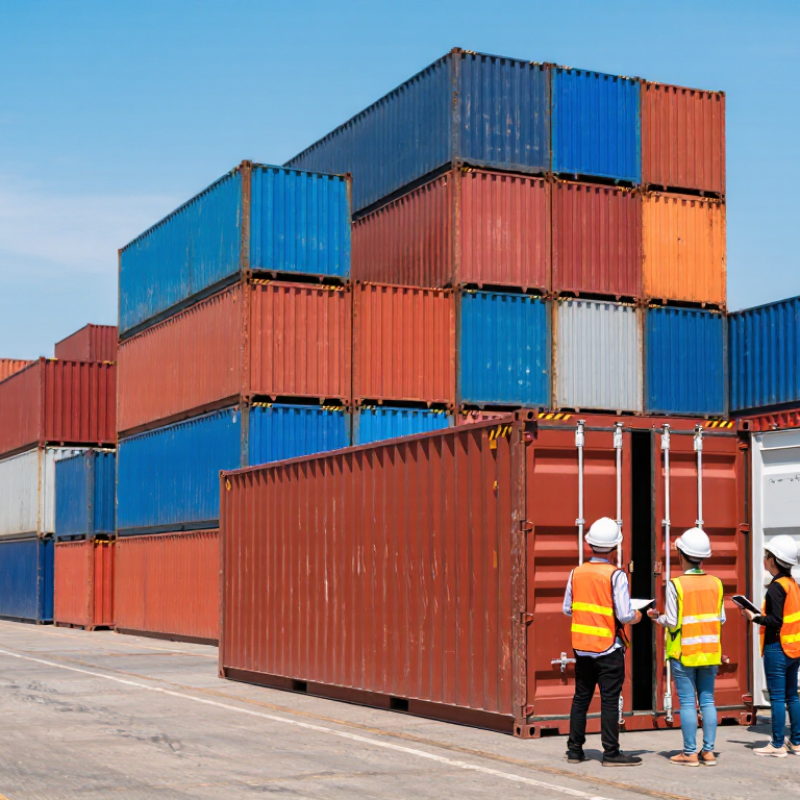
Define Your Shipping Container Requirements and Budget
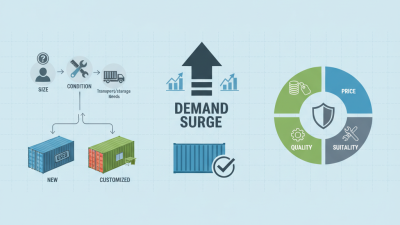
Before contacting a supplier in China, define what the container must do. I learned this after pricing a standard unit for equipment that needed extra height. Measure the cargo, including pallets, doors, lifting points, and protective padding. Then choose the internal length, width, height, door style, and required payload. A used container may suit dry storage, while a new one offers cleaner surfaces and fewer repairs. Do not guess.
Write these requirements in a simple purchase sheet. Include quantity, preferred condition, delivery location, inspection needs, and an acceptable production schedule. Ask whether the stated dimensions are internal or external. That small detail can change your loading plan. For temperature-sensitive goods, specify the equipment and electrical requirements separately. I would also request clear photos of doors, flooring, corner posts, and the roof before payment. Photos help, but they are not a full inspection. Check import rules and required documents for your destination.
Build the budget around the total landed cost, not the factory quotation alone. Add ocean freight, insurance, port handling, customs charges, inland delivery, storage, inspection, and possible repairs. Keep a contingency reserve for exchange-rate movement and unexpected terminal fees. A practical estimate should compare at least two shipping routes and delivery methods. Confirm payment milestones and written specifications before sending funds. I once focused too heavily on the unit price. The final invoice was higher than expected. That mistake still influences my planning.
Verify Chinese Suppliers, Products, and Export Qualifications
How to Purchase a Shipping Container from China?
When buying a shipping container from China, supplier verification should begin before price negotiation. UNCTAD’s Review of Maritime Transport 2023 states that over 80% of global merchandise trade by volume moves by sea. That scale does not guarantee a reliable seller. Request the supplier’s current business license, Unified Social Credit Code, factory address, and export registration details. Check them through official Chinese government records, not only a marketplace profile. Ask for recent bills of lading, customs declaration examples, and references for comparable orders. Redact sensitive information when necessary.
Product evidence matters just as much. Require drawings, material details, inspection records, and production photos. For standard freight containers, compare dimensions and structural requirements with ISO 668 and ISO 1496. Confirm steel grade, floor treatment, door hardware, weld quality, payload, tare weight, and the CSC safety plate where applicable. The World Bank’s Logistics Performance Index 2023 highlights shipment reliability and tracking as key logistics factors. A cheap unit with unclear specifications can cause delays, rework, or port rejection. A polished catalog is not proof. Small details matter.
Tips: Put every specification in the purchase contract. Define tolerances, inspection points, packaging, Incoterms, delivery port, and remedies for nonconformity. Verify that the exporter can file the required customs documents for the actual product and destination. Do not assume the factory and exporter are the same company. Confirm bank-account ownership carefully. Ordering one pilot unit costs more, but it may reveal weak welds or inaccurate measurements early.
Request Quotes, Inspect the Container, and Confirm the Order
How to Purchase a Shipping Container from China?
Requesting clear quotes is the first practical step. Ask for the container type, external and internal dimensions, steel thickness, floor condition, production year, and available certifications. Freight charges must be separated from the container price. Include origin handling, inspection fees, inland delivery, and destination costs. UNCTAD reports that ships carry over 80% of global merchandise trade by volume, so small documentation errors can affect a large supply chain. Request at least three written quotes. Compare the same specifications, not only the final price.
Inspect the container before payment. A reliable inspector should photograph the doors, roof, corner castings, floor, welds, and identification plate. Check that the doors close evenly and the rubber seals remain flexible. Look for daylight inside. That is a warning sign. Confirm the CSC safety plate when the unit will move internationally. The 2024 maritime transport review recorded global seaborne trade at about 12.3 billion tonnes in 2023, showing why structural safety matters beyond simple storage. Some buyers trust factory videos too quickly. I would not. A video can hide rust beneath fresh paint. Ask for a dated inspection report and a live video call.
Confirm the order with a detailed sales contract. State the grade, quantity, color, delivery point, inspection standard, payment stages, and replacement terms. Add the container numbers after inspection. Mistakes happen. Leave room for them. Keep every quotation, photograph, certificate, and payment record in one file.
Arrange Payment, Shipping Documents, Customs, and Final Delivery
Buying a shipping container from China requires more than confirming its dimensions and paint color. Request a pro forma invoice, serial number, inspection photos, steel grade, cargo-worthiness status, and production date. Match every detail with the sales contract. Payment terms should identify the deposit, balance, currency, bank charges, and release conditions. A staged payment is safer when the balance follows inspection and document verification. Confirm the agreed Incoterm carefully. It decides who pays freight, insurance, loading, and destination charges.
Documentation must be prepared before the container leaves the factory. Typical files include the commercial invoice, packing list, sales contract, bill of lading, certificate of origin, and inspection report. Customs may also request technical specifications or treatment evidence for wooden packaging. The United Nations Conference on Trade and Development reports that ships carry over 80% of global trade by volume, so port congestion and schedule changes remain practical risks. Leave time for corrections. One wrong consignee name can delay release.
At destination, a customs broker can check tariff classification, taxes, port storage, and delivery permissions. The World Bank’s 2023 Logistics Performance Index highlights customs speed and shipment reliability as major logistics differences between economies. Arrange final delivery before arrival, including a suitable truck, unloading equipment, site access, and a level foundation. Measure the entrance twice. I have seen buyers approve a container before checking local road clearance. The container arrived, but the truck could not reach the property. Include detention, demurrage, inspection, and storage costs in the landed-cost estimate. Some budgets fail there.