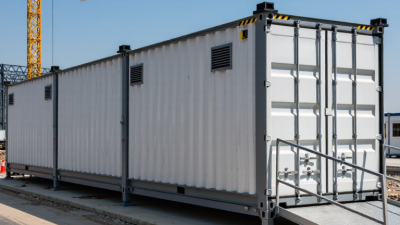
7 Mobile Container Buying Tips for Global Buyers
A mobile container can look ready in a product photo and still fail your project. The door may clear the loading bay, but not the narrow access road. A low quote may also exclude delivery, lifting, or site preparation. Global buyers need to check the whole purchase, not just the steel shell.
One transparent note: Alex Morgan below is an illustrative expert voice, not a verified industry source. His proposed line is: “Buy the delivery plan as carefully as the container.” Treat it as draft wording, not a real quotation. Before publication, replace it with a confirmed statement from a named specialist. That distinction matters. Reliable buying advice should be traceable to real experience.
This guide examines seven practical checks: intended use, dimensions, condition, insulation, transport, documentation, and supplier support. Ask for clear measurements, recent photographs, and written details on what the price includes. Confirm the route, unloading method, and ground conditions before paying a deposit. Small oversights can become expensive delays. Some details are easy to miss. A mobile container is a physical asset, but the purchase is also a logistics decision. Careful questions help buyers compare offers fairly and spot gaps early. Verify the specifications against your actual site needs; a checklist cannot replace an on-site assessment.
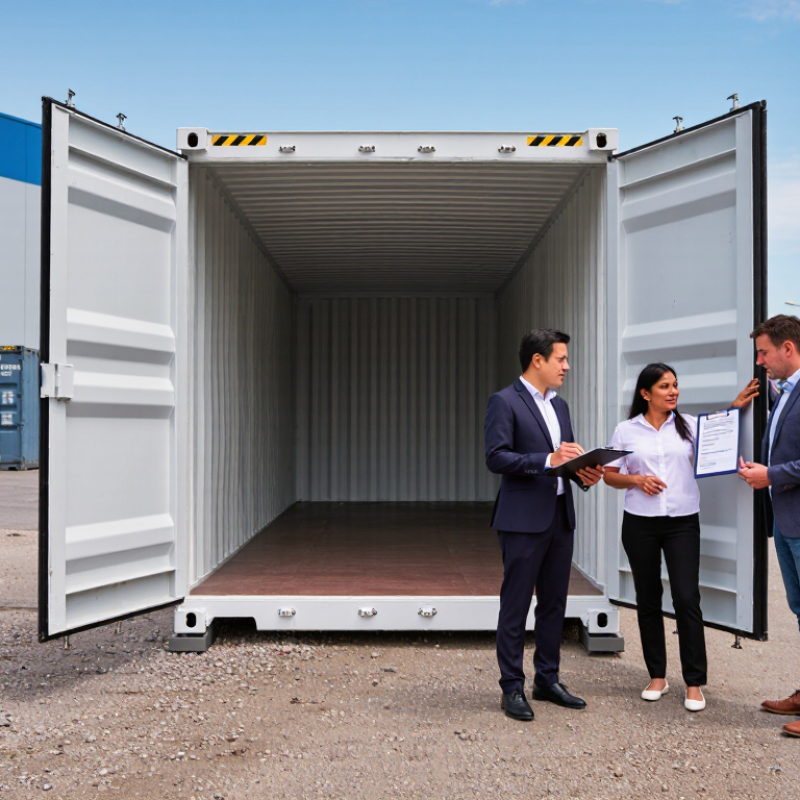
Identify Your Mobile Container Needs and Intended Use
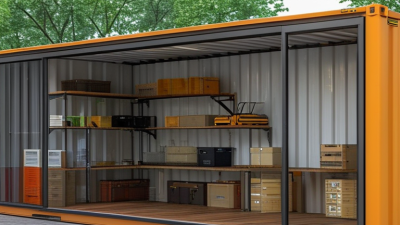
Before requesting quotes, define what the mobile container must do each day. Will it serve as a temporary office, a storage room, a workshop, or a staffed site cabin? These uses need different layouts. A two-person office may need desks, windows, lighting, and cable routes. Storage may need clear floor space, secure doors, and shelving instead. Start with the task, not the container size.
Measure the site and the route to it. Note narrow gates, overhead wires, soft ground, and turning space for delivery vehicles. A unit that fits on paper may be difficult to position in practice. Check door width against the largest item you plan to move inside. Small details matter. Also consider climate and time in service: insulation, ventilation, drainage, and shade can affect comfort and stored materials. Ask suppliers for clear specifications, including internal dimensions and included fittings, rather than relying on photos.
Think through utilities before choosing a layout. Identify where power, lighting, heating, or water may be needed, and confirm what site connections are available. Requirements differ by location, so have local professionals check installation and safety needs. For long-term use, plan access for maintenance and leave room around vents and service points. Buyers sometimes focus on purchase price and overlook delivery or site preparation. I would recheck those estimates; they are easy to underestimate. A simple sketch with measurements can expose problems early. It will not answer everything. But it gives suppliers a practical brief and makes comparisons more reliable.
Compare Container Types, Sizes, Materials, and Features
A mobile container should match its job, not just its quoted price.
Dry containers suit general storage and transport; refrigerated units need dependable power and temperature monitoring. Open-top or flat-rack designs help with oversized cargo, but offer less protection from weather.
UNCTAD’s Review of Maritime Transport 2024 reported 858.7 million TEUs of global container-port throughput in 2023, a 2.4% year-on-year rise.
That scale makes standard dimensions useful, but it does not guarantee every container fits a site, truck, or loading bay. Measure access routes and door clearance before ordering. A tape measure saves trouble.
Compare 20-foot and 40-foot models by usable internal space, payload, and delivery access—not length alone.
ISO 668 defines standard container dimensions, while actual internal measurements can vary by model and condition. Steel units are durable, but inspect corners, floorboards, roof seams, and door seals for corrosion or repairs. Aluminum can reduce weight, though availability and repair options may differ.
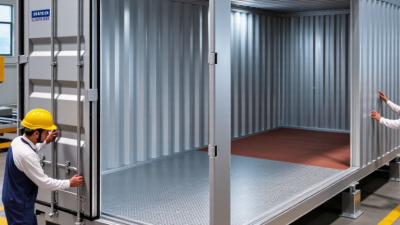
Check ventilation, locking points, insulation, and electrical fittings against the intended use. Ask for a dated inspection report and photographs of the exact unit.
One easy-to-miss compromise: a low-cost used container may need floor or seal repairs before it is weather-tight. UNCTAD’s figures describe market scale, not the condition of any individual unit. Verify that in person when possible.
Check Supplier Credentials, Standards, and Export Experience
Before comparing prices, ask the supplier to identify the factory that will build your mobile container. Request current business registration details, the production address, and a named quality contact. Verify certificates with the issuing body where possible, and check that dates, company details, and model numbers match. A certificate for a different unit is not much reassurance. Details matter. Ask for inspection records, welding procedures, coating specifications, and load-test results. These records should describe your chosen configuration, not just a standard model shown in a brochure.
Standards vary by destination and intended use, so ask which requirements apply to your order and how compliance is documented. Treat “international standard” as a starting point, not proof. Request clear specifications for dimensions, materials, doors, and electrical fittings, if included. To assess export experience, ask for recent shipment examples with customer details removed, plus photos of packing and loading. Confirm who prepares shipping documents, how the unit is secured, and what the quoted delivery term includes. A supplier may build well but have limited export coordination. That distinction can be easy to miss. One vague answer may have a simple explanation; repeated gaps in records or timelines deserve careful follow-up.
7 Mobile Container Buying Tips for Global Buyers
Check supplier credentials, applicable standards, and export experience. As part of your standards review, compare the container’s stated external dimensions with ISO 668 benchmarks.
Typical nominal external lengths: 20 ft — 6,058 mm; 40 ft — 12,192 mm; 40 ft high-cube — 12,192 mm. Reference: ISO 668 series 1 container dimensions. Confirm the exact model and permitted tolerances with the supplier.
Calculate the Full Cost of Purchase, Shipping, and Import
A mobile container’s quoted price is only the starting point. Ask what it includes: the unit, doors, insulation, flooring, electrical fittings, and any customization. A lower price may leave important items outside the contract. Request an itemized quote with dimensions, condition, and delivery terms in writing. Small details matter.
Shipping can change the budget quickly. Compare the container’s pickup location, port charges, inland transport, and final-mile delivery. Check whether unloading equipment is included; a truck may arrive, but a crane may not. Measure the access road and site entrance before booking. A narrow turn can mean extra handling fees. Get realistic delivery estimates, not just the fastest possible schedule.
Import costs depend on the destination and the product’s classification. Confirm likely duties, taxes, customs paperwork, inspection charges, and storage fees with a qualified customs professional before paying a deposit. Keep funds aside for exchange-rate changes and delays. Even a careful spreadsheet can miss a local charge, and that is frustrating. Compare the total landed cost, not just the supplier’s price, then check which costs are estimates and which are contractually fixed.
Verify Quality, Contract Terms, Delivery, and After-Sales Support
When comparing mobile containers, ask for current photographs, serial numbers, and a written inspection record. Check frame corners, welds, door seals, roof joints, flooring, and signs of corrosion. A fresh coat of paint can hide problems. Where practical, arrange an independent inspection before the balance is paid. UNCTAD’s Review of Maritime Transport 2024 reports that over 80% of world trade by volume moves by sea, making dependable equipment and delivery planning important to many buyers. Still, a container that looks sound in photos may behave differently after transport.
Put the exact dimensions, materials, condition, included fittings, warranty, and acceptance criteria in the contract. Clarify who pays for inland transport, lifting, site access, and delays; “delivery included” can mean less than buyers expect. Request a dispatch date, delivery window, and process for recording damage on arrival. Also confirm who handles warranty claims, expected response times, and whether common replacement parts are available locally. It is tempting to focus on the purchase price. I would not treat after-sales support as an afterthought: even a sticky door can disrupt daily use. Small details matter.