
Close

Choosing a foldable shipping container is a practical decision about space, handling, and lifetime cost. The scale of maritime transport makes that decision relevant. UNCTAD’s Review of Maritime Transport 2024 reports that seaborne trade grew by 2.4% in 2023, reaching about 12.3 billion tonnes. That figure describes the wider shipping industry, not demand for foldable units. Still, it shows why equipment efficiency deserves careful attention.
Start by matching the container to its actual job. Check its internal dimensions, payload rating, folding method, and compatibility with the vehicles and handling equipment at your sites. Ask how much floor space folded units occupy, and whether staff can assemble them safely without special tools. Details matter. A unit that folds quickly may still be a poor choice if it is difficult to repair or stack. Request documented load limits, maintenance instructions, and test records from the supplier. Then compare the purchase price with transport, storage, labor, and repair costs across the container’s expected service life. Foldable designs can reduce empty-container storage needs, but savings depend on routes, return loads, handling practices, and the cost of repositioning. They are not automatic. I would also question optimistic savings claims until they are supported by a real operating trial. The right foldable shipping container is the one that fits your cargo, workflow, and verified budget—not simply the one with the smallest folded footprint.
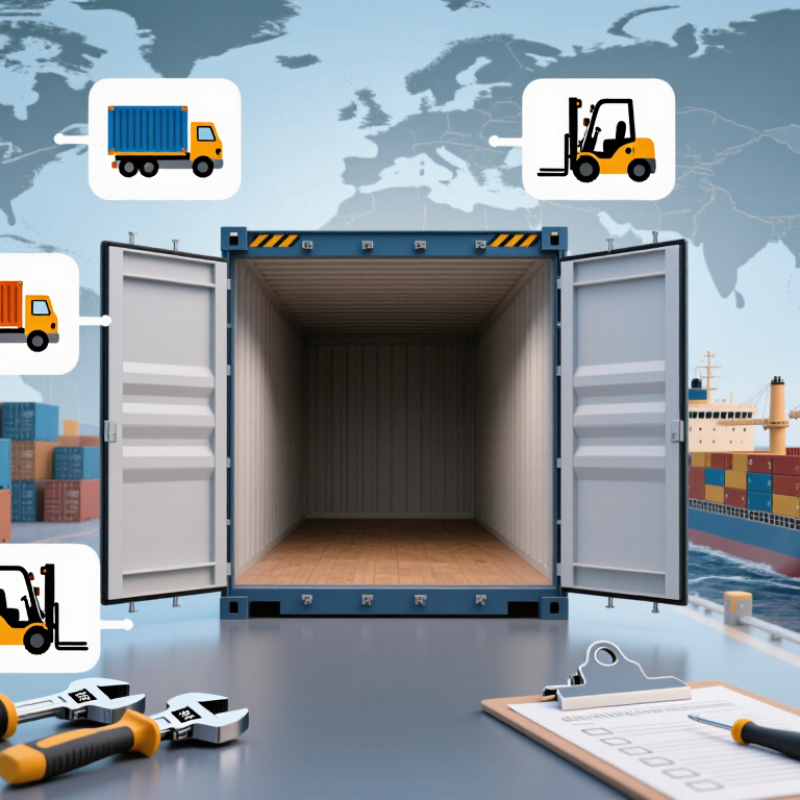
Before choosing a foldable shipping container, describe the cargo in practical terms: dimensions, weight, shape, and how it will be handled. A stack of uniform cartons loads differently from a machine with narrow feet. That detail matters. Check the container’s internal dimensions, door opening, floor capacity, and permitted payload. The payload is the cargo weight, not the container’s total loaded weight. Leave room for packaging and handling equipment.
Match the load to the container’s structure. Ask how weight should be distributed and whether the floor can support concentrated loads, such as a small caster or pallet jack wheel. A published rating is useful, but it may not explain every loading condition. Review the technical drawings and operating instructions, and confirm the limits with the supplier when the cargo is unusually heavy or uneven. A neat spreadsheet can still miss one small contact point.
Then consider intended use. Will the container travel full, return empty, or be folded and stored between shipments? Frequent folding makes clear instructions and accessible locking points more important. For outdoor storage, check drainage and weather protection; for warehouse use, check forklift access and stacking guidance. Picture the actual route, including tight aisles and loading-dock turns. It sounds obvious, but this step is often rushed. A suitable container should fit the cargo, the handling process, and the space available when it is folded.
| Cargo or Requirement | Load Characteristics to Identify | Foldable Container Considerations | Useful Checks Before Selection | Typical Intended Use |
|---|---|---|---|---|
| Cartons, boxed goods, or bagged products | Mostly regular-shaped units; calculate total volume, gross weight, and stack height. | Check usable internal dimensions and whether the floor and walls support the planned stacking and restraint method. | Compare cargo dimensions with the container’s internal dimensions; leave room for doors, securing equipment, and safe loading. | General freight and repeat shipping where empty units can be returned folded. |
| Palletized cargo | Pallet footprint, pallet height, loaded pallet weight, and loading pattern determine capacity. | Confirm that door opening dimensions, internal width, and floor load rating suit the pallets and handling equipment. | Check forklift or pallet-jack access, axle or floor loading limits, and how the load will be blocked or secured. | Warehouse transfers, distribution, and regular one-way or round-trip freight flows. |
| Dense or heavy cargo | Weight may be reached before the available space is filled; note each item’s weight and contact area. | Select by verified payload and floor capacity, not volume alone. Foldable designs can have different ratings from conventional containers. | Verify the unit’s rated gross mass, tare mass, payload, floor rating, and applicable transport limits from its specification plate and documents. | Machinery parts, metal products, and other compact, high-weight freight. |
| Long, wide, or irregular items | Measure the longest and widest points, including packaging, lifting points, and required clearance. | Check internal length and width, door opening, lashing points, and whether the cargo can be loaded without stressing folding joints or panels. | Confirm the loading method and restraint plan; do not assume the external container dimensions equal the usable interior space. | Equipment, construction materials, and non-uniform freight. |
| Fragile or moisture-sensitive goods | Consider breakage risk, packaging strength, moisture sensitivity, and any temperature requirements. | Check seals, drainage, ventilation provisions, panel condition, and whether the unit is suitable for the required environmental protection. | Inspect the assembled container for damage and confirm cargo packaging and blocking are suitable for the planned route and handling. | Packaged consumer goods or materials needing protection from ordinary weather exposure. |
| Repeated return or empty repositioning | Estimate loaded trips, empty return frequency, storage space, and the number of units handled together. | Compare the folded dimensions and approved stacking arrangement with available transport and storage capacity. | Confirm folding and unfolding procedures, handling equipment, securing method, and the manufacturer-rated stack limits for folded units. | Closed-loop supply chains, reusable packaging operations, and routes with frequent empty returns. |
| Occasional use or temporary storage | Identify storage duration, access frequency, site conditions, and whether cargo will remain inside between shipments. | Assess assembly time, inspection needs, weather protection, ground support, and space needed to unfold the unit safely. | Check local placement requirements, level support, locking arrangements, and suitability for the intended storage environment. | Seasonal stock, temporary site storage, or infrequent transport where compact empty storage is valuable. |
Before purchase or loading, verify the specific unit’s rated gross mass, payload, tare mass, internal dimensions, floor capacity, folding instructions, and transport approvals. Ratings and dimensions vary by design and must be checked against the unit’s documentation.



© Copyright 2025 | CONTAINERED – SHIPPING CONTAINER HOMES IN MELBOURNE