loader image

How to Choose the Right Sea Can Container?

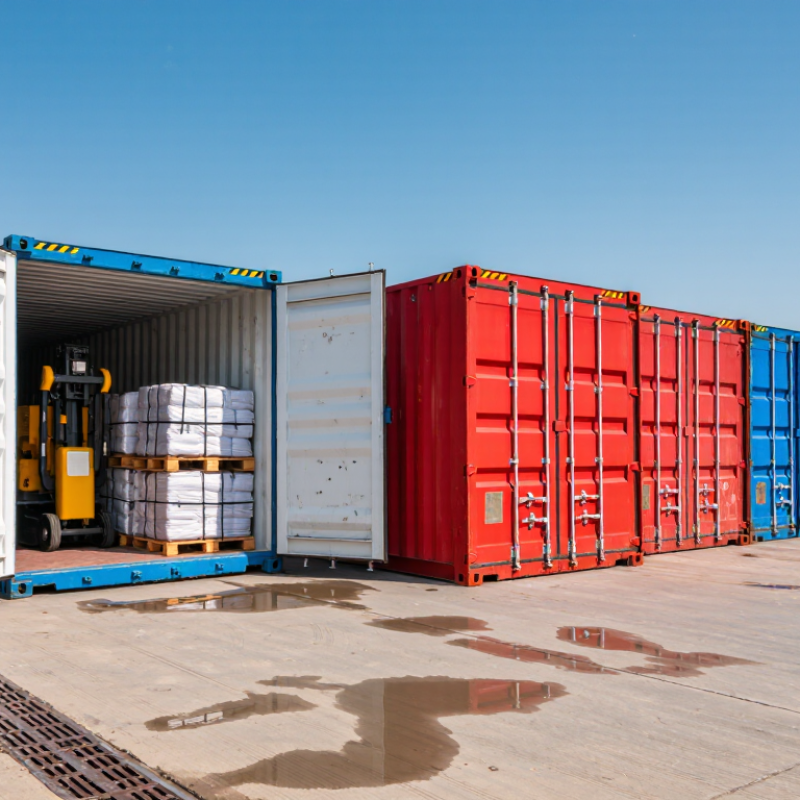
Choosing the right sea can container is more than comparing prices and exterior paint. The container must match your cargo, site conditions, loading method, and expected service life. A twenty-foot standard unit may suit dense machinery, while a forty-foot high-cube model offers extra height for bulky, lightweight goods. The wrong choice can waste valuable floor space.

Begin with the cargo. Measure its length, width, height, and total weight, including pallets and protective packaging. Leave room for airflow, securing materials, and safe access. Check the door opening, not only the internal dimensions. Some equipment looks small enough until the doors become the problem. Small detail. Big consequence.

Condition deserves careful attention. Inspect the roof for daylight, the floor for soft areas, and the corner posts for visible distortion. Open and close each door several times. The rubber seals should sit firmly without large gaps. Surface rust may be manageable, but deep corrosion requires professional evaluation. Ask for clear photos, inspection records, and available certification. Requirements can differ by location and intended use, so confirm them with a qualified supplier or local authority.

Think about the container’s next five years, not just delivery day. A coastal site may need stronger corrosion protection. Frequent loading may justify a newer unit with smoother doors and a cleaner floor. I have seen buyers focus on color and miss drainage, ventilation, or access limitations. That mistake is easy to repeat. Careful measurements, honest condition checks, and realistic planning make the final choice far more reliable.

How to Choose the Right Sea Can Container?

Define Your Sea Can Container Needs and Intended Use

Choosing the right sea can container starts with defining its exact purpose. Will it store tools, protect household goods, or become a workshop? Each use demands different features. A dry storage container may suit boxed equipment, but temperature-sensitive items need better insulation and ventilation. Measure the largest item before comparing sizes. Leave room for doors, shelving, and safe movement inside.

Think about the container’s future location, too. I have inspected units that looked suitable until a narrow gate blocked delivery. Check ground strength, drainage, clearance, and access for lifting equipment.

Condition matters. Examine the roof for dents, the floor for soft spots, and the doors for smooth operation. Strong seals help, but they cannot fix standing water around the container. For valuable contents, consider a lockable entry system and internal lighting. Good airflow can reduce condensation, although excessive ventilation may expose contents to dust and humidity.

Be realistic.

I once underestimated how quickly a dark steel box could heat up. That mistake changed how I assess insulation and site shade. Ask the supplier for inspection records, internal measurements, and details about previous use. Confirm that the container suits local placement requirements before delivery. A low price may hide repair costs, transport challenges, or unusable space. Your intended use should guide every decision, not the container’s appearance alone.

Choose the Right Container Size, Type, and Configuration

How to Choose the Right Sea Can Container?

Choose the Right Container Size, Type, and Configuration

Choosing a sea can container begins with your cargo, not the lowest price. Measure the longest, widest, and tallest items before requesting quotes. A standard 20-foot container suits compact, dense loads. A 40-foot unit provides more floor space for lighter cargo. High-cube models add useful height for tall equipment. Check your site clearance first. Delivery trucks need turning space, overhead clearance, and firm ground. These details are easy to miss.

A dry container works well for boxed goods, tools, and general equipment. Refrigerated units suit temperature-sensitive materials that require controlled conditions. Open-top containers help with tall cargo loaded by crane. Flat racks support unusually wide or heavy items. I once reviewed a storage plan that chose a larger container too quickly. The extra space increased movement inside and complicated cargo restraint. More room is not always better.

Configuration affects daily use. Rear doors provide basic access, while side doors can improve loading in narrow sites. Add ventilation for equipment that releases heat or moisture. Inspect the floor, locking bars, door seals, interior odor, and visible dents. Confirm the inspection plate and applicable transport certification. Ask for internal photos, not only exterior images. Interior dimensions can vary slightly between units. Leave working space around stored items. A simple loading sketch often exposes a poor layout before delivery.

How to Choose the Right Sea Can Container?

Choose the right container size, type, and configuration by comparing typical internal capacity across common ISO container options.

A standard 20-foot dry container provides approximately 33.2 m³ of internal volume, while a 40-foot dry container offers about 67.7 m³. A 40-foot high-cube container provides approximately 76.4 m³ because its greater internal height increases usable space. Actual dimensions and payload limits can vary slightly by container design, door configuration, and applicable transport regulations.

Select a dry container for general cargo, a high-cube configuration for tall or bulky goods, a refrigerated container for temperature-sensitive products, and an open-top container when loading oversized cargo from above.

Evaluate Container Condition, Materials, and Structural Integrity

Choosing a sea can container starts with its condition, not its paint. Drewry’s Container Census 2024 estimates the global dry-container fleet at roughly 28.5 million TEU. Many units have worked for years. Age matters, but maintenance history matters more.

Walk inside during daylight. Check the roof for pinholes, rust blooms, and repaired welds. A dry floor can still conceal weakened cross-members. Inspect corner posts, locking rods, door hinges, and the bottom rails closely. These parts carry lifting and stacking forces. ISO 668 defines key container dimensions and strength requirements, while the International Convention for Safe Containers requires valid safety approval. Ask for inspection records, repair invoices, and the latest plate details. Paperwork is evidence, not proof.

Material choice also affects service life. Weathering steel resists exposure, but it is not rust-proof. Fresh corrosion around seams deserves attention. Marine plywood floors may tolerate heavy use, yet chemical stains, soft spots, or delamination can signal replacement needs. A magnetic thickness gauge can reveal metal loss that paint hides. I have seen clean-looking units fail a closer inspection. That is easy to overlook. If doors bind, the frame may be distorted, even when the walls look straight. Professional inspection is worthwhile before modification, especially when the container will face repeated loading, lifting, or coastal weather.

Check Shipping Standards, Security Features, and Modifications

How to Choose the Right Sea Can Container?

A suitable sea can container should meet recognized shipping standards before any modification begins. Check the CSC safety plate, manufacturing date, maximum gross weight, and inspection status. Confirm its external dimensions match your transport route and loading equipment. A container may look strong but still have weakened corner posts or a damaged floor. Inspect the doors, locking rods, seals, and roof for gaps, rust, or poor repairs. These small defects can create expensive problems during handling and storage.

Tips: Measure twice. Check the seal number. Photograph every defect. Ask for inspection records.

Security features should match the container’s location and purpose. Choose sound lock housings, protected hinges, and tamper-evident seals for valuable equipment. A clean internal surface also matters when storing sensitive materials. Modifications require careful planning. Ventilation prevents condensation, while insulation reduces temperature swings. Reinforced doors, lighting, shelving, and cable openings can improve daily use. However, cutting panels may reduce structural strength if reinforcement is ignored. Ask a qualified fabricator to review load paths and welding quality. I have seen attractive conversions fail because drainage was overlooked. That mistake is easy to make and difficult to correct. Check local transport, fire, electrical, and placement requirements before delivery. A reliable supplier should provide clear specifications, inspection evidence, and modification details.

How to Choose the Right Sea Can Container? — Shipping Standards, Security Features, and Modifications

Container Type Typical External Dimensions Typical Internal Capacity Best Use Shipping Standard Check Security Features to Verify Common Modifications Selection Notes
20-Foot Dry Van Length: 6.06 m
Width: 2.44 m
Height: 2.59 m
About 33 m³
Maximum gross mass commonly up to 30,480 kg, subject to the container plate and route limits
General cargo, machinery, building materials, packaged goods, and storage ISO-compliant unit required
Confirm a valid CSC Safety Approval Plate before international ocean transport.
Locking bars, intact door seals, sound hinges, undamaged corner castings, and a readable identification plate Personnel doors, ventilation, shelving, lighting, electrical wiring, windows, and access ramps A practical choice for heavy cargo because its floor area is efficient and its tare weight is lower than longer units.
40-Foot Dry Van Length: 12.19 m
Width: 2.44 m
Height: 2.59 m
About 67 m³
Maximum gross mass commonly up to 30,480 kg, subject to the container plate and route limits
High-volume, lower-density cargo and larger storage projects ISO-compliant unit required
Check the CSC plate, maximum gross mass, tare weight, and current inspection status.
Full-length locking bars, concealed or protected padlock housing, sealed roof joints, and secure corner castings Internal partitions, extra doors, insulation, climate-control equipment, shelving, and workplace fit-outs Provides more usable volume, but confirm site access, turning space, ground bearing capacity, and delivery clearance.
40-Foot High Cube Length: 12.19 m
Width: 2.44 m
Height: 2.90 m
About 76 m³
Maximum gross mass commonly up to 30,480 kg, subject to the container plate and route limits
Bulky cargo, tall equipment, retail inventory, and conversion projects requiring extra headroom ISO-compliant unit required
Verify the higher overall height is acceptable for the vessel, road route, bridge clearance, and site.
Inspect door alignment, locking rods, roof condition, corner castings, and the CSC Safety Approval Plate Insulation, high-level storage, lighting, ventilation, doors, windows, and suspended ceilings The extra internal height is useful, but the unit may be unsuitable where transport or installation height is restricted.
Open-Top Container Common lengths: 6.06 m or 12.19 m
Width: 2.44 m
Height: about 2.59 m externally
Approximately 32–65 m³, depending on length and roof arrangement Over-height cargo, cranes, heavy machinery, logs, scrap, and cargo loaded from above Confirm cargo and route approval
Check lashing capacity, permitted cargo height, tarpaulin arrangement, and CSC documentation.
Sound door locking bars, secure tarpaulin bows, lashing points, intact corner castings, and protected access points Removable roof, reinforced floor, additional lashing rings, loading beams, and custom top covers Choose this type when top loading is essential; it may provide less weather protection than a rigid-roof container.
Flat Rack Common lengths: 6.06 m or 12.19 m
Width: about 2.44 m
End-wall height varies by design
Capacity depends on the model; payload and concentrated-load limits must be checked on the data plate Oversized machinery, vehicles, steel products, pipes, and project cargo Special cargo approval may apply
Verify the CSC plate, lashing points, cargo dimensions, axle loading, and carrier acceptance.
Heavy-duty lashing rings, locking devices, corner castings, end walls, and a structurally sound platform Additional lashing points, removable end walls, timber dunnage, custom cradles, and reinforced platforms Best for cargo that cannot fit inside a closed container; securing and weight distribution require professional planning.
Refrigerated Container Common lengths: 6.06 m or 12.19 m
Width: 2.44 m
Height varies by model
Approximately 28–67 m³, depending on size and internal equipment Temperature-sensitive food, pharmaceuticals, chemicals, and other controlled-temperature cargo Operational testing required
Check the CSC plate, power requirements, temperature range, machinery condition, and inspection records.
Lockable doors, functioning control panel, intact insulation, sound gaskets, and protected power connections Temperature monitoring, remote alarms, internal shelving, upgraded power supply, and drainage improvements Requires continuous electrical power and airflow clearance; confirm the required temperature range before selection.
Tank Container Typically based on a 20-foot frame
External dimensions follow standard intermodal limits
Common tank volumes range from about 14,000 to 26,000 litres, depending on tank design Liquids, gases, powders, food products, and regulated hazardous materials Cargo-specific certification required
Confirm tank test dates, pressure ratings, valve protection, product compatibility, and applicable dangerous-goods rules.
Protected valves, tamper-evident seals, lockable cabinets, pressure-relief devices, and secure frame corner castings Thermal insulation, heating systems, discharge connections, grounding arrangements, and monitoring equipment Never select by volume alone; the tank must be certified for the exact product, pressure, temperature, and transport mode.
Modified Storage Container Usually based on a 20-foot or 40-foot dry van
External dimensions depend on the base unit
Reduced by insulation, partitions, shelving, doors, and installed equipment On-site storage, workshops, offices, kiosks, equipment rooms, and temporary facilities Usually not approved for ocean transport after modification
Confirm whether modifications affect CSC approval, structural integrity, lifting, and local building requirements.
Multi-point door locks, protected padlock boxes, alarm contacts, security lighting, and tamper-resistant windows Personnel doors, windows, insulation, electrical systems, ventilation, plumbing, fire protection, and shelving Use a qualified fabricator and obtain structural, electrical, fire-safety, and planning approvals where required.
Offshore or Project Cargo Container Dimensions vary by certified design
May use standard intermodal footprints
Varies according to the equipment and payload rating Offshore operations, industrial sites, mining projects, tools, equipment, and hazardous-area work Project-specific certification required
Check lifting certification, inspection records, structural calculations, and any offshore or hazardous-area requirements.
Certified lifting points, anti-tamper doors, secure internal restraints, fire protection, and controlled access Racking, tool storage, gas detection, ventilation, generator systems, fire suppression, and lifting accessories Choose only when the operating environment and lifting method are clearly defined and supported by current certification.

Important: Dimensions, payload limits, and certification requirements can vary by manufacturer, container series, country, carrier, and cargo type. Always use the identification plate and current inspection documents as the final reference. For international ocean transport, confirm that the unit has a valid CSC Safety Approval Plate and remains structurally compliant after any modification.

Compare Costs, Suppliers, Delivery Options, and Legal Requirements

Choosing the right sea can container starts with the full landed cost, not the advertised price. A used 20-foot unit may look affordable, but delivery, unloading, inspection, repairs, tax, and modifications can quickly change the calculation. Drewry’s World Container Index has recorded extreme freight volatility, including prices above $10,000 for a 40-foot container in 2021. Rates are lower now, but fuel surcharges and port congestion still create surprises. I usually request a written quote with validity dates and a clear breakdown.

Supplier quality matters as much as price. Ask for recent photos, door seals, floor condition, corrosion areas, and the container’s identification plate. A competent supplier should explain whether the unit is cargo-worthy, wind-and-watertight, or intended only for storage.

The Container xChange Container Market Forecaster shows that container availability varies by region, so a nearby supplier may reduce both waiting time and inland transport costs. Cheap is not always cheap.

Delivery needs practical planning. Confirm truck access, turning space, crane clearance, ground strength, and whether a tilt-bed truck is suitable. International transport may require a valid CSC safety plate under the IMO Convention for Safe Containers. Local storage, construction, fire, zoning, customs, and tax rules may also apply. Requirements differ widely. Even careful estimates can fail when a narrow gate or weak driveway is overlooked, so I leave contingency money and verify permits with the relevant authority before payment.

Go to Top