loader image

How to Choose the Right Large Shipping Container?

Choosing the right large shipping container involves more than selecting the biggest available unit. Capacity, condition, access, ventilation, and placement all affect its real value. A container that looks suitable online may feel very different after delivery. Its doors might stick, its floor could show water damage, or its dimensions may not fit your site.

Begin with the cargo and its handling method. Measure the longest items, add clearance for safe loading, and consider whether a forklift can reach the container doors. A standard 40-foot container often suits bulky goods, while a high-cube model provides extra internal height. That additional space matters when stacking cartons, machinery, or tall equipment. However, more volume can also create unused areas and higher transport costs.

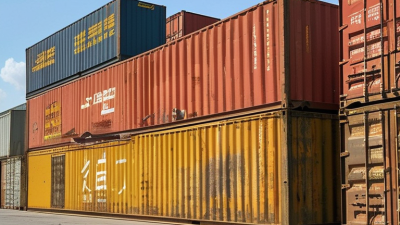
Condition deserves careful attention. Experienced buyers inspect roof seams, corner castings, door seals, flooring, and visible rust before committing. Ask for recent photographs, inspection records, and clear delivery terms. A reliable supplier should explain the container’s grade, age, previous use, and repair history without vague promises. This is where many choices become uncertain. Photographs can hide odors, dents, or uneven floors.

Think beyond the first delivery. Confirm local access, ground preparation, crane requirements, and ventilation needs. Check applicable safety, planning, and transport requirements with qualified local professionals. The cheapest large shipping container may not be the most economical option after modifications and repeated repairs. Careful comparison creates fewer surprises and supports a safer, more practical purchase. Sometimes, a smaller container is the wiser decision.
How to Choose the Right Large Shipping Container?

Define Your Shipping Needs and Container Size Requirements

Choosing a large shipping container starts with the cargo, not the container name. UNCTAD’s Review of Maritime Transport 2024 reports that over 80% of global merchandise trade by volume moves by sea. That scale makes small planning errors expensive. Measure every carton, pallet, and machine part. Record length, width, height, weight, and stacking limits. Leave room for air circulation and safe handling.

A 40-foot high-cube container offers greater internal height than a standard 40-foot unit. However, its practical capacity depends on door clearance, floor strength, and cargo shape. Check the maximum gross mass stated on the container plate. Do not rely only on advertised volume. A heavy shipment may reach the weight limit before filling the available space. I have seen plans fail because one irregular crate created a large empty corner. That detail matters.

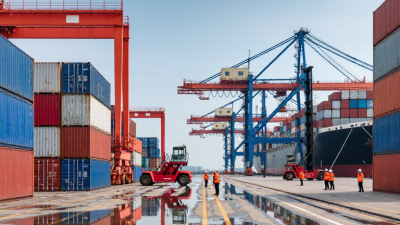
Use shipment frequency, loading equipment, and destination infrastructure as selection criteria. Some terminals, warehouses, and roads cannot handle every large container configuration. The World Bank’s Logistics Performance Index 2023 compares 139 economies using customs, infrastructure, shipment arrangements, logistics quality, tracking, and timeliness. These factors affect container choice beyond simple dimensions. Sketch the loading pattern before booking. Then test it against forklift access and unloading conditions. It is easy to overestimate usable space. Recheck the figures with a qualified freight or container specialist before dispatch.

Compare Container Types, Dimensions, and Available Features

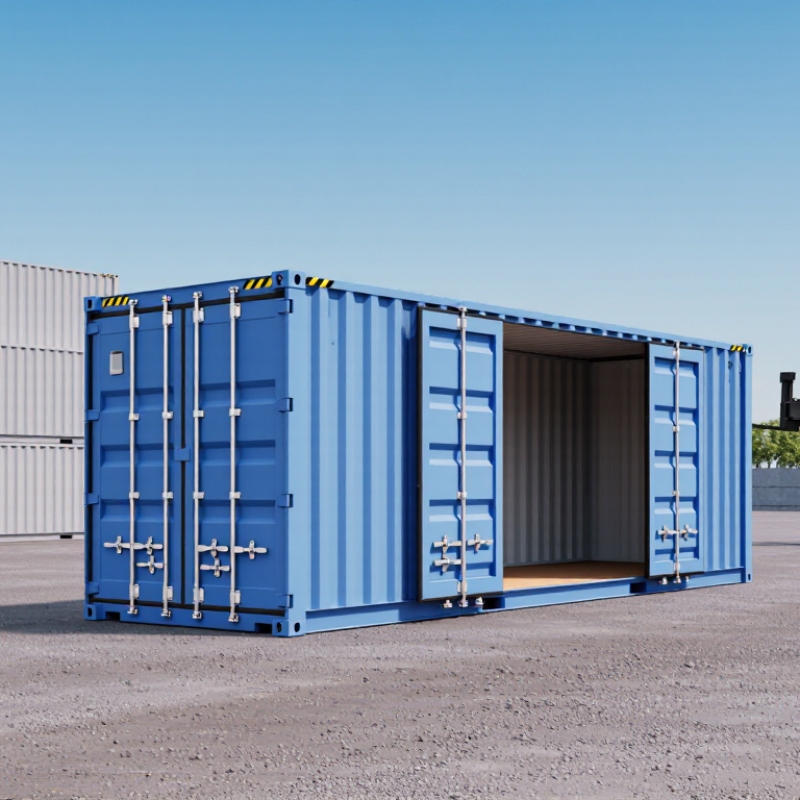
Choosing the right large shipping container starts with dimensions, not appearance. A standard 40-foot container measures about 12.19 meters long, 2.44 meters wide, and 2.59 meters high externally. A 40-foot high-cube adds roughly 30 centimeters of height. That extra space helps with bulky cartons, but it can also increase wind exposure and loading risk. Internal dimensions vary by manufacturer, so check the actual specification sheet.

Dry containers suit general cargo, while refrigerated units maintain controlled temperatures for sensitive goods. Open-top containers handle tall machinery. Flat racks support oversized loads but require careful securing. According to UNCTAD’s Review of Maritime Transport 2024, containerized trade reached approximately 183 million TEUs in 2023. That scale makes standardization valuable, yet cargo conditions still differ widely. A reefer needs power access and temperature monitoring. A dry unit may need ventilation, moisture barriers, or stronger flooring.

Inspect the details. Check the CSC safety plate, door seals, locking bars, floor condition, and maximum payload. The tare weight reduces usable capacity, especially when dense materials fill the container. A neat spreadsheet can still mislead. Measure pallets, leave clearance around doors, and confirm lifting points before booking. I have seen teams choose a high-cube container for volume, then discover their loading equipment cannot reach the upper rows. Available features matter too: lashing rings, vents, ramps, insulation, and internal partitions can prevent expensive adjustments later.

How to Choose the Right Large Shipping Container? - Compare Container Types, Dimensions, and Available Features

Container Type Typical External Dimensions
(L × W × H)
Approx. Internal Dimensions
(L × W × H)
Approx. Internal Volume Typical Door Opening
(W × H)
Typical Maximum Payload Key Features Best Suited For Main Limitations
20 ft Standard Dry 6.06 × 2.44 × 2.59 m
19 ft 10 in × 8 ft × 8 ft 6 in
5.90 × 2.35 × 2.39 m
19 ft 4 in × 7 ft 8 in × 7 ft 10 in
About 33 m³
1,170 ft³
2.34 × 2.28 m
7 ft 8 in × 7 ft 6 in
About 25,000–28,000 kg
55,100–61,700 lb
  • Weather-resistant steel construction
  • Standard cargo doors at one end
  • Wooden floor and lashing points
  • Common ISO corner fittings
Dense, heavy cargo; machinery; general freight with limited volume Less capacity than a 40 ft container; not suitable for temperature-controlled goods
40 ft Standard Dry 12.19 × 2.44 × 2.59 m
40 ft × 8 ft × 8 ft 6 in
12.03 × 2.35 × 2.39 m
39 ft 6 in × 7 ft 8 in × 7 ft 10 in
About 67 m³
2,366 ft³
2.34 × 2.28 m
7 ft 8 in × 7 ft 6 in
About 26,000–28,000 kg
57,300–61,700 lb
  • Nearly twice the capacity of a 20 ft unit
  • Suitable for palletized and boxed cargo
  • Standard end-opening doors
  • Available with cargo-securing rings and ventilation options
General cargo, furniture, cartons, consumer goods, and high-volume shipments Standard height limits vertical loading and cubic capacity compared with a high-cube unit
40 ft High Cube Dry 12.19 × 2.44 × 2.90 m
40 ft × 8 ft × 9 ft 6 in
12.03 × 2.35 × 2.70 m
39 ft 6 in × 7 ft 8 in × 8 ft 10 in
About 76 m³
2,690 ft³
2.34 × 2.58 m
7 ft 8 in × 8 ft 6 in
About 26,000–28,000 kg
57,300–61,700 lb
  • Approx. 30 cm more height than a standard container
  • Higher cubic capacity
  • Useful for tall or lightweight cargo
  • Common end-opening configuration
Lightweight, bulky freight; apparel; packaging materials; tall cargo May exceed height restrictions at some facilities; the extra volume does not increase the legal road payload
45 ft High Cube Dry 13.72 × 2.44 × 2.90 m
45 ft × 8 ft × 9 ft 6 in
13.56 × 2.35 × 2.70 m
44 ft 6 in × 7 ft 8 in × 8 ft 10 in
About 86 m³
3,035 ft³
About 2.34 × 2.58 m
7 ft 8 in × 8 ft 6 in
About 27,000–29,000 kg
59,500–64,000 lb
  • Largest common dry-container volume
  • High internal height and floor area
  • Often configured for pallet efficiency
  • High-cube clearance
Large-volume, relatively light cargo and shipments requiring maximum cubic space Not accepted on every service or route; may require compatible chassis, terminals, and road permits
20 ft Open Top 6.06 × 2.44 × 2.59 m
19 ft 10 in × 8 ft × 8 ft 6 in
About 5.90 × 2.35 × 2.35 m
19 ft 4 in × 7 ft 8 in × 7 ft 8 in
About 32–33 m³
1,130–1,170 ft³
End doors; roof opening varies by design About 26,000–28,000 kg
57,300–61,700 lb
  • Removable tarpaulin roof or open roof
  • Top loading by crane or grab equipment
  • Door headers may be movable or removable
  • Heavy-duty lashing points
Machinery, scrap metal, stone, timber, and cargo too tall for side or end-door loading Less weather protection than a solid-roof container; cargo height and securing require careful planning
40 ft Open Top 12.19 × 2.44 × 2.59 m
40 ft × 8 ft × 8 ft 6 in
About 12.03 × 2.35 × 2.35 m
39 ft 6 in × 7 ft 8 in × 7 ft 8 in
About 65–67 m³
2,295–2,366 ft³
End doors; roof opening varies by design About 26,000–28,000 kg
57,300–61,700 lb
  • Large top opening for oversized cargo
  • Tarpaulin cover for flexible loading
  • Reinforced floor and securing points
  • Suitable for crane-assisted loading
Oversized or heavy cargo that cannot be loaded through standard doors Tarpaulin clearance and over-height cargo may require special approval and handling
20 ft Flat Rack 6.06 × 2.44 × 2.59 m
19 ft 10 in × 8 ft × 8 ft 6 in
Usable platform: about 5.60 × 2.20 m
18 ft 4 in × 7 ft 2 in
Not applicable
Open platform
Open ends or fixed end walls, depending on configuration About 25,000–31,000 kg
55,100–68,300 lb
  • Open sides and top
  • Strong floor and multiple lashing points
  • Fixed or collapsible end walls
  • Designed for concentrated and project cargo
Vehicles, industrial equipment, steel products, pipes, and cargo wider or taller than a dry box Cargo is exposed to weather; out-of-gauge dimensions can create additional handling and transport charges
40 ft Flat Rack 12.19 × 2.44 × 2.59 m
40 ft × 8 ft × 8 ft 6 in
Usable platform: about 11.65 × 2.20 m
38 ft 3 in × 7 ft 2 in
Not applicable
Open platform
Open ends or folding end walls About 30,000–40,000 kg
66,100–88,200 lb
  • Long platform for project cargo
  • High-strength lashing equipment
  • Fixed or collapsible ends
  • Can accommodate over-width cargo with approval
Large machinery, construction equipment, generators, boats, and industrial projects Payload and dimensions depend heavily on the specific unit; cargo must be engineered and secured professionally
40 ft High Cube Reefer 12.19 × 2.44 × 2.90 m
40 ft × 8 ft × 9 ft 6 in
About 11.56 × 2.29 × 2.55 m
37 ft 11 in × 7 ft 6 in × 8 ft 4 in
About 67–68 m³
2,365–2,400 ft³
About 2.29 × 2.55 m
7 ft 6 in × 8 ft 4 in
About 26,000–29,000 kg
57,300–64,000 lb
  • Insulated walls and powered refrigeration unit
  • Temperature range commonly around −25°C to +25°C
  • Airflow channels and data monitoring options
  • Requires electrical power during storage and transport
Frozen, chilled, or temperature-sensitive food, pharmaceuticals, chemicals, and other perishables Less internal space than a dry container; higher operating cost and strict power requirements
20 ft Tank Container About 6.06 × 2.44 × 2.59 m
19 ft 10 in × 8 ft × 8 ft 6 in
Tank capacity commonly 14,000–26,000 L
3,700–6,870 gal
Product capacity depends on tank design and filling limits Top and bottom valves; access varies by tank specification Depends on tank tare weight, product density, and legal gross weight
  • Stainless-steel pressure vessel within an ISO frame
  • Top, bottom, or discharge connections
  • Safety valves and grounding provisions
  • Available with insulation or heating systems
Liquids, liquefied gases, powders, and regulated bulk products Requires product compatibility checks, certified equipment, specialist cleaning, and regulatory compliance
Dimensions, capacities, and payloads are approximate industry ranges. Actual specifications vary by construction, tare weight, payload regulations, cargo-securing requirements, and transport route.
Selection guide: Choose a standard dry container for general cargo, a high-cube model for additional volume, an open-top unit for top-loaded or tall cargo, a flat rack for oversized project cargo, a reefer for temperature-controlled goods, and a tank container for bulk liquids or gases. Always confirm the container's certified payload, internal measurements, door clearance, and route restrictions before booking.

Evaluate Materials, Construction Quality, and Weather Resistance

How to Choose the Right Large Shipping Container?

Material choice affects service life, maintenance, and cargo protection. Galvanized steel resists rust well, while weathering steel can perform better in suitable dry environments. However, neither option is maintenance-free. Inspect the frame, wall panels, and roof for uneven corrosion, dents, or patched areas. A small roof weakness can become a serious leak after weeks of rain.

Construction quality deserves close attention. Check that doors close evenly and that locking bars move without force. Examine welds for gaps, rough repairs, or visible cracking. The floor should feel firm, remain level, and show no soft sections. Good drainage matters too. Water trapped near the base can damage steel faster than expected. From practical inspections, I have found that a clean exterior can hide poor internal repairs. That is easy to overlook.

Tips: Match the container material to your local climate. In coastal areas, inspect salt exposure and seal quality carefully. For snowy regions, check roof strength and drainage paths. Ask for repair records, coating details, and a recent inspection report. Bring a flashlight and inspect corners from inside. Small details matter. Also, test ventilation openings, because condensation may damage stored goods even when rain stays outside. I would not rely on appearance alone; photographs often make worn surfaces look better than they are.

Check Legal Standards, Transport Compatibility, and Safety Requirements

How to Choose the Right Large Shipping Container?

A large container must satisfy more than volume needs. ISO 668 defines standard external dimensions, corner fittings, and handling limits. For international sea transport, check the valid CSC safety plate. It confirms that the container passed required structural inspections. The International Maritime Organization requires a verified gross mass before vessel loading under SOLAS. Weigh the packed container, not the estimated cargo. Small errors become serious at scale.

Transport compatibility needs a route-based review. A 45-foot high-cube container may fit a vessel but exceed local road height or axle limits. Confirm trailer locks, rail clearances, bridge restrictions, crane reach, and terminal handling capacity. UNCTAD’s Review of Maritime Transport 2024 states that more than 80% of global merchandise trade by volume moves by sea. Yet the final road connection often creates the practical constraint. Measure it twice.

Safety depends on details inside the box. Keep the center of gravity low, spread weight across the floor, and secure shifting items with rated restraints. Inspect corner castings, doors, flooring, and roof rails before dispatch. The World Shipping Council’s Containers Lost at Sea report recorded 576 containers lost in 2023, showing that rare failures still deserve attention. I would not rely on a clean exterior alone. Humidity, uneven loading, and worn locking bars can remain hidden. Some decisions need a second inspection.

Calculate Total Costs and Select a Reliable Container Supplier

How to Choose the Right Large Shipping Container?

A large shipping container should fit your cargo, route, budget, and handling conditions. Begin with the full cost, not only the purchase or rental quote. Include transport, loading, unloading, storage, insurance, taxes, inspection, and possible repair charges. Delivery distance can change the final price dramatically. A container may look affordable until a crane or special truck becomes necessary.

Request an itemized quotation from each supplier. Check the container’s external and internal dimensions, door opening, floor condition, roof, corner posts, and door seals. Ask for recent inspection records and clear photos from several angles. A reliable supplier should explain container grades, availability, delivery timing, and damage responsibilities without vague promises. References from recent commercial customers can add useful evidence. Still, references are not proof of perfection.

Tips: Compare the total delivered cost. Ask who pays for delays. Confirm the return condition in writing.

In practice, small details often decide the result. Rust around door hinges may suggest future maintenance. A damp smell can signal hidden moisture or damaged flooring. My own cost worksheet is never perfect, because weather and port congestion can alter delivery plans. Leave a contingency allowance, but question every unexplained fee. Before payment, verify the supplier’s business address, inspection process, contract terms, and customer support response time. A short video call can reveal more than polished sales wording. If the supplier avoids basic questions, reconsider the deal.

Go to Top