loader image

Why Choose a Small Sea Container for Shipping?

A small sea container can solve a practical shipping problem: moving a modest load without paying to transport unused space. For a small manufacturer, online retailer, or household mover, that can mean fewer pallets sharing a larger container and a clearer view of the shipment’s footprint. Less empty space. But a smaller unit is not automatically cheaper or easier.

Shipping historian Marc Levinson’s work explains how container standardization simplified freight movement. A careful paraphrase of his central insight is: “Standardized containers make cargo easier to transfer between transport modes.” That principle matters here, too. The small sea container works best when its dimensions suit the cargo, route, and handling equipment. Check door clearance, internal dimensions, payload limits, and carrier availability before booking. A compact unit may still face limited supply or higher handling costs on some routes.

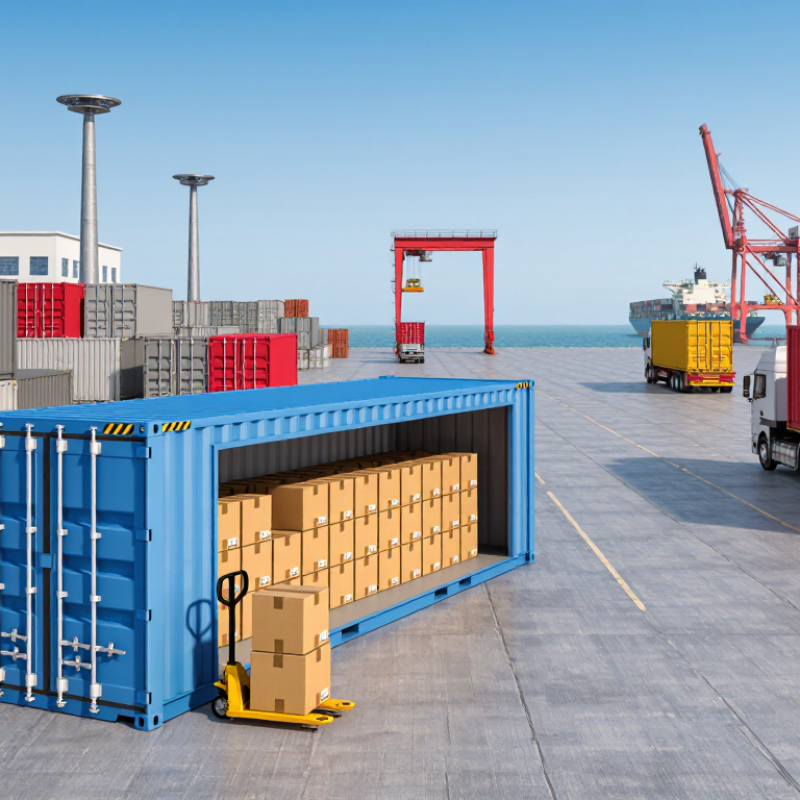
Picture the actual load: cartons stacked below the roof, a narrow aisle left for access, and weight distributed across the floor. Those details can prevent wasted capacity and awkward unloading. Still, a smaller container may not fit bulky goods, and several small units can cost more than one larger shipment. Compare the full quote, not just the container rate. Ask whether delivery, loading, and final-mile handling are included. The right choice depends on the shipment, not the label. A useful decision starts with measured cargo and a realistic route plan—and it is worth checking those assumptions twice.
Why Choose a Small Sea Container for Shipping?

What Defines a Small Sea Container?

Why Choose a Small Sea Container for Shipping?

What Defines a Small Sea Container?

A “small sea container” usually means a nominal 10-foot unit, compared with the familiar 20-foot container. It is a practical description, not a universal size category. ISO 668:2020 specifies dimensions for Series 1 freight containers; a nominal 10-foot unit is roughly 10 feet long and 8 feet wide. Actual external and internal measurements vary by design. Usable volume is often around 15–16 cubic metres, but fittings and wall thickness reduce the space available for cargo. It is a useful label, but not a perfect one.

UNCTAD’s Review of Maritime Transport 2024 reports 12.3 billion tonnes of seaborne trade in 2023. That scale makes careful container selection important, even for a small load. A smaller box can suit compact shipments, tight storage areas, or goods that do not fill a 20-foot unit. But size alone does not confirm suitability: payload limits, cargo dimensions, and handling equipment still matter. One planning mistake is to estimate by volume and overlook weight.

Tips: Measure the largest item, including packaging. Check the container’s rating plate and door opening before booking. Leave room for safe loading; a tight fit can become an expensive surprise.
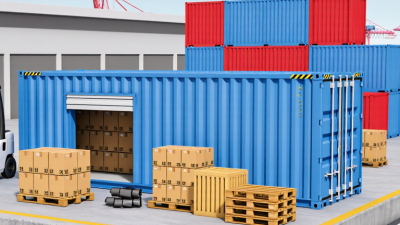
Common Sizes and Capacity Options

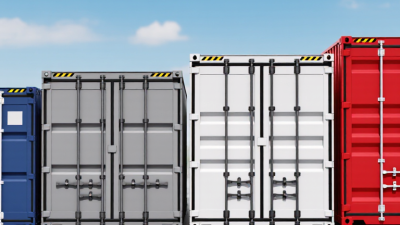
Small sea containers are available in several sizes, but 10-foot and 20-foot units are common choices for compact shipments. A 10-foot container typically offers about 15 cubic metres of internal space. That can suit boxed stock, tools, or a few pieces of furniture. A 20-foot container holds roughly 33 cubic metres, giving more room for palletised cargo or a small move. Actual usable space is lower than the headline figure. Wall thickness, door fittings, and how cargo is packed all matter.

Smaller 6-foot and 8-foot containers are also sold in some markets, though availability and dimensions vary. An 8-foot unit may provide around 10 cubic metres, but check the supplier’s internal measurements rather than relying on its outside length. Measure the tallest item, too. A bulky cabinet can be awkward even when the total volume seems sufficient. Payload capacity is separate from volume and depends on the container’s design and condition. It is easy to focus on cubic metres and miss the weight limit. I would compare internal length, width, height, door opening, and maximum payload before choosing; those details can differ more than expected.

How Small Containers Fit into Shipping Operations

A small sea container can fit into shipping operations when a full-size unit would leave too much unused space. It gives planners another option for modest shipments, regular replenishment, or cargo that needs to move separately. The exact container sizes and availability vary by route and carrier, so confirm equipment options before setting a dispatch date.

At a warehouse, teams can stage cartons or pallets in a defined area, then load them against a packing list. Check the cargo dimensions, weight, and securing needs before booking; a smaller container does not automatically mean lower cost per unit. Port schedules, handling charges, and transfer arrangements still matter. That detail is easy to miss. A shipment may also need to connect with a larger vessel or inland truck, so clear labels and accurate paperwork help reduce avoidable delays.

Small containers can make consolidation more manageable when several deliveries are not ready at the same time. They may help operations release one batch without waiting for all the cargo to accumulate. Yet splitting freight can add handling and coordination, and it is not always the greener or cheaper choice. Compare the total journey, not just the container size. Leave room for safe loading, too; tightly packed cargo can become awkward to inspect and unload. Shipping plans look neat on paper, but real schedules sometimes shift.

Why Choose a Small Sea Container for Shipping? — How Small Containers Fit into Shipping Operations

Shipping Consideration 10-Foot Container 20-Foot Container Operational Value of a Smaller Container
Approximate external dimensions 2.99 m long × 2.44 m wide × 2.59 m high 6.06 m long × 2.44 m wide × 2.59 m high Uses less yard and storage space, which can help when handling smaller consignments or working in a space-constrained location.
Approximate internal dimensions 2.83 m long × 2.35 m wide × 2.39 m high 5.90 m long × 2.35 m wide × 2.39 m high Provides a compact enclosed space for compatible cargo, subject to the shipment’s dimensions and loading plan.
Approximate internal volume 15.9 m³ (about 560 ft³) 33.2 m³ (about 1,172 ft³) May reduce unused container space when the shipment is too large for parcel or less-than-container-load handling but does not need a larger container.
Typical shipment fit Small, consolidated loads; equipment; or cargo requiring a dedicated enclosed unit Higher-volume shipments and larger consolidated loads Can provide a closer match between cargo volume and container capacity, depending on cargo shape and packing requirements.
Loading and handling Less interior length to load; handling options depend on the container, terminal, and transport equipment. More interior length and room for larger loading plans. A smaller footprint may simplify placement at some sites, but access, lifting equipment, and local handling arrangements should be confirmed in advance.
Best suited to Shipments where compact capacity and a dedicated container are priorities Shipments that need more volume or longer cargo space Choose based on cargo dimensions, weight, route availability, and total transport cost—not volume alone.

Note: Dimensions and volume are approximate and can vary by container design. Ten-foot containers are not accepted or available on every shipping route or at every terminal; confirm equipment availability, cargo limits, and handling requirements with the carrier or freight provider.

Cargo and Routes Suited to Small Containers

A small sea container usually means a 20-foot unit, useful when a shipment is compact, dense, or too modest to fill a larger box. Think boxed machine parts, packaged food, or a few pallets of retail stock. These loads can suit regular regional services and port pairs with reliable sailing schedules. Match the container to the cargo’s weight, dimensions, and handling needs; usable capacity varies by equipment and carrier. Not always cheaper. A smaller box may still face minimum charges, terminal fees, and transfer costs.

Route choice matters as much as cargo size. UNCTAD’s Review of Maritime Transport 2024 reported that weekly Suez Canal transits had fallen about 70% by June 2024, while Cape of Good Hope transits had risen 89% from late 2023. Longer diversions can change transit times and schedules, so check current routing before promising a delivery date. For a modest shipment, a direct service may be worth more than a low headline rate with extra transfers. Check the lane. Small containers are not automatically the efficient choice: irregular sailing frequency, bulky goods, or destination-side handling can erase their advantage. The less obvious detail is often the final transfer.

Factors to Consider When Choosing a Small Container

A small sea container can suit a compact shipment, but “small” does not always mean simple. Check the container’s internal length, width, height, and door opening against your largest item. Measure cartons, pallets, and any awkward pieces, then allow space for padding and safe loading. A few centimeters matter. Also compare payload limits with your cargo’s gross weight; dense goods can reach the weight limit before filling the available space.

Route and handling options deserve equal attention. Ask the carrier or freight forwarder whether the chosen size is accepted at both ends, and confirm port, truck, and warehouse equipment can handle it. Smaller units may be less available on some routes, and the price per cubic meter can be higher than for a larger container. UNCTAD’s Review of Maritime Transport 2024 reports that seaborne trade grew 2.4% in 2023, reaching 12.3 billion tonnes. That broad growth is useful context, but it does not guarantee a small container will be available for your sailing.

Check what the quote includes: inland transport, handling, storage allowances, and any extra fees. Compare the total cost, not just the ocean-freight rate. I would not choose by price alone; that shortcut can backfire. A quick loading sketch helps, though it may miss real-world friction—door clearance and awkward lifting angles are easy to underestimate. Source: UNCTAD, Review of Maritime Transport 2024.

Go to Top